Most ovens stop working due to power faults, failed heating elements, or a broken thermostat.
If you've ever asked, "why has my oven stopped working," you're in the right place. I’ve fixed dozens of stoves as a technician and tested many DIY fixes. This guide walks you through likely causes, simple checks, safety steps, and when to call a pro—so you can diagnose and act with confidence.

Common causes of an oven stopping working
Here are the top reasons ovens fail. Each item is short and easy to test or understand.
-
Power supply problems
- Circuit tripped, blown fuse, or loose plug can cut power.
- If the clock and lights are out, suspect power first.
-
Faulty heating element
- The bake or broil element can burn out.
- Elements may look intact but fail when current can’t pass.
-
Broken thermostat or temperature sensor
- If the oven won’t heat or overheats, the thermostat or sensor could be bad.
- Sensors are cheap, but diagnosing needs care.
-
Electronic control board failures
- Modern ovens use control boards that can fail after power surges.
- A dead display or unresponsive buttons can point here.
-
Door latch or hinge issues (for self-cleaning ovens)
- If the door lock mechanism fails, the oven may not start.
- Self-clean cycles can stress that part.
-
Igniter or gas supply problems (gas ovens)
- A worn igniter won’t light the burner.
- Gas valves, pilot lights, or supply lines can also be culprits.
-
Thermal fuses and safety cutouts
- Ovens have safety fuses that blow to prevent fires.
- A blown thermal fuse will stop power to the oven.
-
Wiring and connection faults
- Loose wires or burned terminals can stop an oven mid-cycle.
- These are common after heavy use or poor installation.
Why has my oven stopped working often comes down to one of these. Start with the simple checks first, then move to parts that need tools or skill.
How to diagnose why your oven stopped working (step-by-step)
Follow this tidy checklist. Stop and call a pro if you smell gas or see damage.
-
Safety first
- Turn off power at the breaker for electric ovens.
- Turn off gas at the supply valve for gas ovens.
- Never work under power unless you know how.
-
Check power and breakers
- Reset tripped breakers and replace blown fuses.
- Test the outlet or wall connection if you can.
-
Inspect visible parts
- Look at the heating elements for breaks or blisters.
- Check the igniter glow in gas ovens (it should glow before flame).
-
Test basic functions
- Try the light, fan, and display. If all are off, it’s likely power or board-related.
- If only the heat fails, suspect element, igniter, thermostat, or sensor.
-
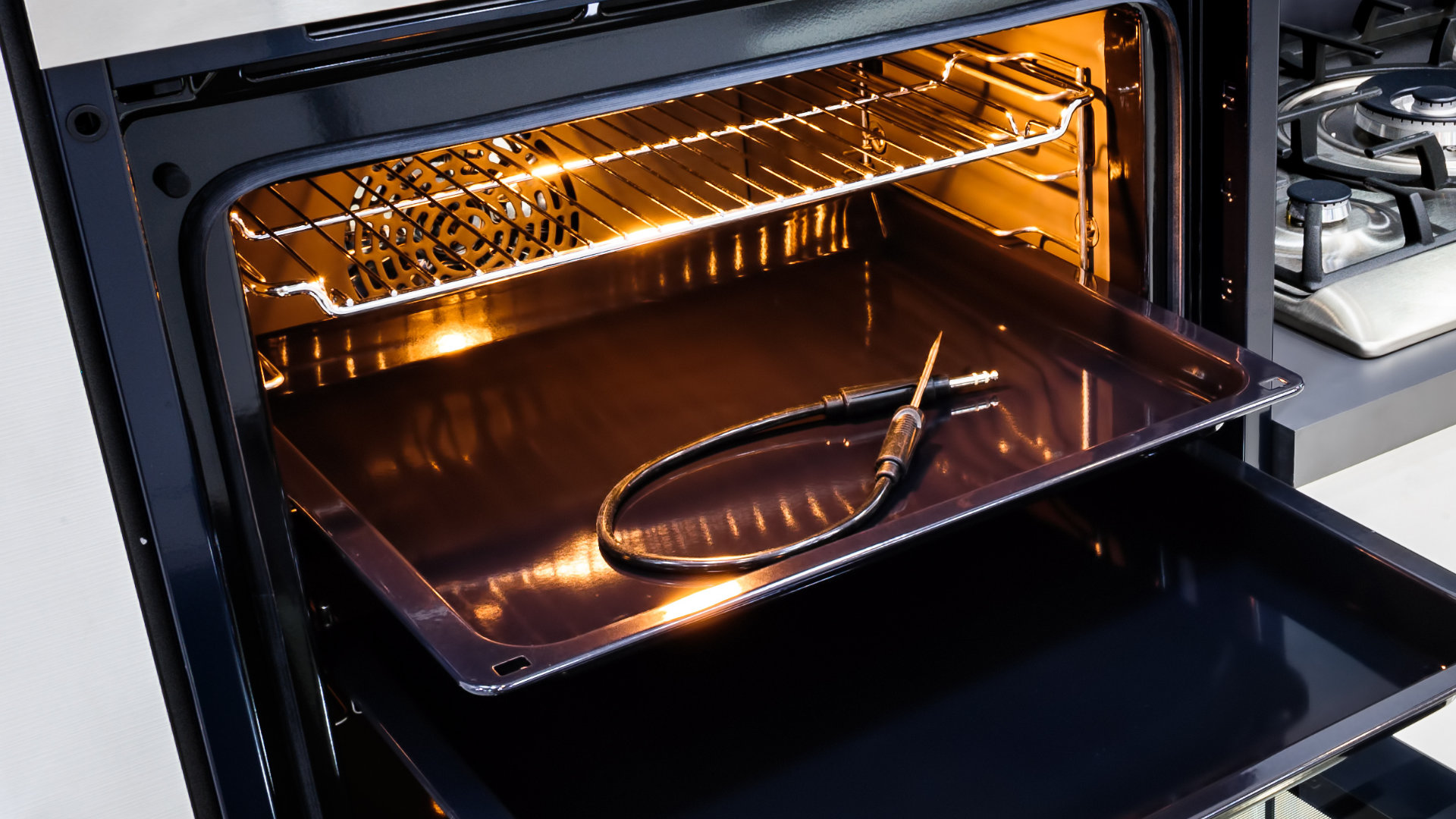
Use a multimeter for simple tests
- Test continuity on elements and fuses.
- Measure voltage at the outlet if you can. If you’re unsure, stop and call a technician.
-
Listen and observe
- Clicks, buzzing, or silence tell different stories.
- A humming transformer or a rapid click may point to control board issues.
-
Note error codes
- Modern ovens show codes on the display.
- Write them down and check the manual for meaning.
This process helps you answer why has my oven stopped working by narrowing the cause. Small checks save time and money.

When to call a professional
Some oven problems are safe to try at home. Others need trained hands.
-
Call a pro if you smell gas
- Gas leaks are dangerous. Leave the home, shut off the gas, and call the utility or a certified technician.
-
Call a pro for wiring or control board work
- Working on live wiring is risky. A licensed technician handles breakers and boards safely.
-
Call a pro if you lack tools or confidence
- Multimeters and wiring knowledge are needed for certain tests. It’s okay to hire help.
-
Expect professional costs
- Diagnostics often cost a fee. Parts and labor depend on model and age. Get a clear estimate.
Knowing when to stop a DIY attempt answers "why has my oven stopped working" faster and keeps you safe.
.webp)
Repair vs replace: how to decide
Consider these factors before spending money.
-
Age of the oven
- Under 8–10 years, repairs often make sense.
- Older units may lack parts and energy efficiency.
-
Cost of repair vs replacement
- If repair is more than half the cost of a new unit, consider replacing.
- Simple parts like elements are usually inexpensive to replace.
-
Frequency of problems
- Repeated failures indicate bigger issues. Replacing might save long-term hassle.
-
Energy efficiency and features
- New ovens use less energy and add safety or smart features. Upgrading can add value.
-
Safety and reliability
- If a repair won’t restore safe operation, replace the oven.
Weigh these points when deciding what to do about why has my oven stopped working. A clear budget helps.
Preventative maintenance to avoid future failures
Small habits extend oven life and prevent many common failures.
-
Clean regularly
- Remove spills and buildup to prevent element damage.
- Avoid oven cleaners on sensors and seals.
-
Check door seals
- Replace torn gaskets to keep heat in.
- Poor seals strain the oven and shorten life.
-
Avoid frequent self-clean cycles
- Self-cleaning puts heat stress on parts. Use sparingly.
-
Watch for odd noises or smells
- Address small issues early. Strange signs often show problems starting.
-
Schedule professional tune-ups
- A yearly check can catch weak parts. Technicians can test safety devices.
These steps reduce the chances you’ll ask, why has my oven stopped working, again.

Personal experience: mistakes I’ve made and tips I trust
I remember fixing a friend’s oven that just would not heat. I blamed the control board at first. After testing, it was a loose terminal on the heating element. I learned to test basics first.
- Tip 1: Always check power and fuses first. It saved me time more than once.
- Tip 2: Take photos before disconnecting wires. That helps during reassembly.
- Tip 3: Use correct parts. Cheap parts can cause more trouble later.
- Tip 4: Keep the model and serial number handy. It speeds up part orders.
These real-world lessons help explain why has my oven stopped working and how to avoid the same mistakes.
Frequently Asked Questions of Why has my oven stopped working
Why does my electric oven light up but not heat?
If the display or light works but it won’t heat, the heating element or temperature sensor likely failed. Use a multimeter to check continuity, or call a technician to test safely.
My gas oven clicks but won’t light. What should I check?
A clicking sound without a flame often points to a weak igniter or blocked gas port. Clean the burner ports gently and if it still won’t ignite, have the igniter or valve checked.
Can a tripped breaker make only the oven stop working?
Yes. Some ovens use two breakers or a double-pole breaker. If one leg trips, lights or clock might still work while heating stops. Reset the breaker after checking for overload.
Is it safe to replace a heating element myself?
Yes, replacing a heating element is often straightforward but requires powering off the oven. If you’re comfortable with basic tools and safety, follow the manual steps or hire a pro.
What does it mean when my oven shows an error code?
Error codes point to sensors, door locks, or control faults. Check the manual for code meanings, but if codes repeat, call an authorized technician to diagnose and fix the root cause.
Conclusion
Oven failures are common and often fixable. Start with the basics: check power, inspect visible parts, and test simple components. If you smell gas or face wiring and control board issues, get professional help. Use regular care to prevent many problems. If you follow these steps, you’ll better understand why has my oven stopped working and decide the best next move. Try the checks, save notes, and if you need help, share details or ask a question below.