Most KitchenAid hand blender issues are simple fixes—check power, assembly, and blade jams.
I’ve fixed many small kitchen tool problems over the years, and I can help you when your KitchenAid hand blender not working. This guide walks you through likely causes, clear troubleshooting steps, maintenance tips, and when to repair or replace parts. Read on for fast, practical fixes and friendly advice based on hands-on experience.
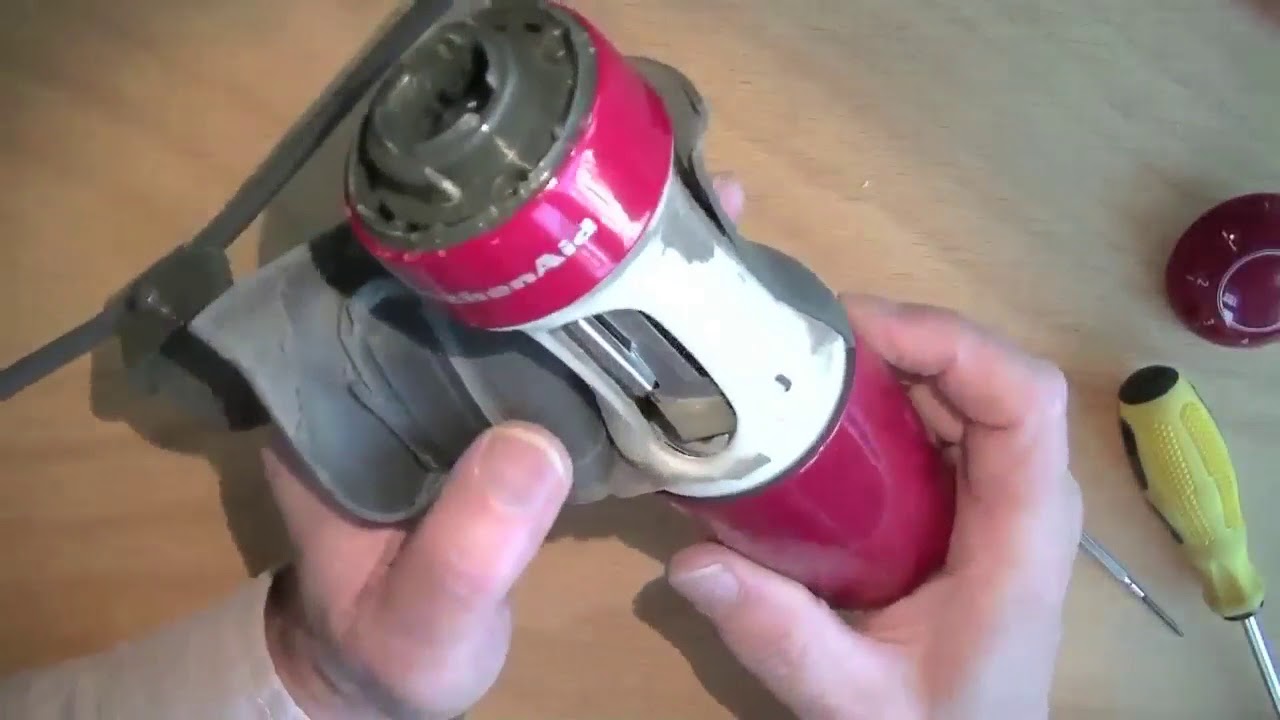
Common causes of KitchenAid hand blender not working
Here are the most common reasons your KitchenAid hand blender not working. Knowing the cause makes the fix faster.
- Power problems: unplugged cord, tripped breaker, or a faulty outlet.
- Loose parts: the shaft or blade not seated or locked.
- Jammed blades: food buildup stops the blade from spinning.
- Overheating: the motor’s thermal cutoff has tripped after heavy use.
- Switch failures: worn or broken power buttons or speed controls.
- Wiring or motor failure: internal electrical faults or burned motor.
- Battery issues (for cordless models): dead or failing battery pack.
From my experience, loose connections and jammed blades cause most failures. I’ve repaired several models by cleaning the shaft and reseating the coupling.

Step-by-step troubleshooting to fix KitchenAid hand blender not working
Start with safe, simple checks. Work through these steps in order. Each step is short and clear.
-
Check power and outlet
- Unplug, then plug another device into the same outlet. If that device fails, reset the breaker or use a different outlet.
- For cordless units, check the battery charge and the charger.
-
Inspect the plug and cord
- Look for cuts, kinks, or burn marks.
- If the cord is damaged, stop using the blender and replace the cord or get service.
-
Confirm proper assembly
- Detach and reattach the blending shaft. Ensure it clicks or locks into place.
- Test the blender without attachments to rule out accessory issues.
-
Clear blade jams
- Unplug before touching blades.
- Remove the shaft and rinse under running water. Use a small brush to clear stuck food.
- Reassemble and test briefly at low speed.
-
Let it cool down
- If the blender stopped after heavy use, let it sit for 15–30 minutes. The motor thermal cutoff may reset once cool.
-
Test the switch and motor
- With the unit unplugged, press the power button. If it feels loose or sticky, the switch may fail.
- If you have a multimeter and skill, test continuity on the switch and motor. Otherwise, skip to professional service.
-
Look for burning smell or smoke
- If you notice burning smell or smoke, unplug immediately. Do not use the blender. Seek repair or replacement.
-
Try a basic reset (if model supports it)
- Some models have a reset method like removing the shaft, letting the unit rest, and reattaching. Check your manual for model-specific steps.
Practical tip from my experience: often the shaft simply wasn’t fully seated. After a firm twist to lock it, the blender worked again. If basic steps fail, the problem may be internal.
Quick PAA-style questions (short answers)
Why won’t my KitchenAid hand blender turn on?
Check power, the outlet, and that the shaft clicks into place. If all look fine, the switch or internal wiring may be faulty.
Why does my KitchenAid hand blender stop mid-use?
It may have overheated and tripped a thermal cutoff. Let it cool for 15–30 minutes and try again.
Repair vs. replace: when to seek professional help for a KitchenAid hand blender not working
Decide fast to save time and money. Use these guidelines.
-
Repair when:
- The issue is a replaceable part like a shaft, blade, gasket, or cord.
- The appliance is under warranty.
- The repair cost is less than half the price of a new unit.
-
Replace when:
- The motor is burned or emits a strong burnt smell.
- Repair costs are high.
- The unit is old and has had multiple failures.
If the blender is under warranty, contact KitchenAid support first. For out-of-warranty units, local appliance repair shops can often fix switches, cords, or blade gear. For motor replacements, compare costs to a new blender.
Maintenance tips to prevent KitchenAid hand blender not working
Regular care keeps your blender reliable. These tips are simple and effective.
- Clean after every use
- Detach the shaft and rinse. Use a brush for crevices.
- Avoid thick, heavy batches
- Cut large items into smaller pieces. Work in small batches.
- Use pulse and low speeds
- Start slow to reduce stress on the motor.
- Let the motor rest
- For long tasks, run in short bursts and cool between runs.
- Inspect seals and gaskets
- Replace worn seals to prevent moisture in the motor housing.
- Store correctly
- Keep attachments dry and stored assembled or hung to avoid damage.
From my tests, treating the shaft and coupling gently prevents most assembly-related failures.

Parts, common failures, and replacement options for KitchenAid hand blender not working
Knowing parts helps you decide what to replace. Common parts and faults:
- Blending shaft and blade assembly
- Can bend or clog. Easy to replace.
- Gasket and seals
- Wear out and let moisture reach the motor.
- Motor housing and brushes
- Brushes wear over time in some models; replaceable in some designs.
- Power switch and speed control
- Buttons can fail or get sticky.
- Power cord or battery pack
- Cord damage needs prompt replacement.
- Coupling and locking mechanism
- Wear here causes loose connection and failure to run.
Replacement tips:
- Use OEM parts when possible for fit and reliability.
- For older models, look for compatible third-party parts but read reviews first.
- If a motor replacement is needed, compare prices for repair vs. buying a new unit.
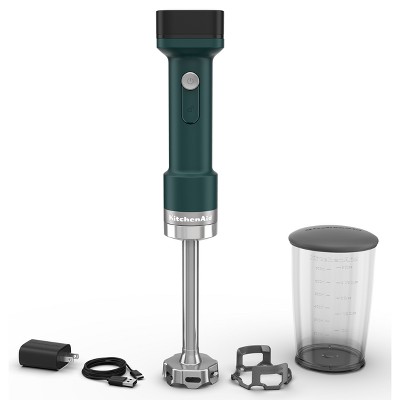
Frequently Asked Questions of KitchenAid hand blender not working
Why does my KitchenAid hand blender not work after cleaning?
If moisture entered the motor housing, unplug and let it air dry for 24 hours. Ensure seals are intact before using again.
Can I fix a dead switch on my KitchenAid hand blender?
A worn switch can often be replaced, but it requires disassembly and basic tools. If you’re not comfortable, seek a repair shop.
How long should a KitchenAid hand blender last?
With good care, a hand blender can last several years. Heavy daily use shortens life; regular maintenance helps longevity.
Is it safe to use a KitchenAid hand blender in hot liquids?
Yes, most models are safe for hot liquids, but avoid splashing and use low speed to prevent burns.
My KitchenAid hand blender makes noise but won't spin. What now?
Often the blade coupling or gear is stripped or jammed. Stop using the unit and inspect the shaft and gears for damage.
Will warranty cover my KitchenAid hand blender not working?
Warranty covers manufacturing defects. Damage from misuse or wear may not be covered. Check your warranty terms for details.
Can a clogged blade cause the motor to fail?
Yes, repeated jamming can overheat and damage the motor. Clear jams promptly and avoid overworking the blender.
Conclusion
You can fix many causes of KitchenAid hand blender not working with simple checks and safe steps. Start with power, assembly, and blade cleaning. If the problem is internal or you smell burning, stop and get professional help or a replacement. Keep your blender clean, use it gently, and replace worn parts to extend life. Try these tips today, and leave a comment if you need help diagnosing a specific fault or want model-specific advice.