Choose a safe, durable, easy-to-clean vegetable chopper that matches your cooking style, kitchen space, and meal prep needs
Choosing the best vegetable chopper for home use can save time, reduce effort, and make cooking more enjoyable. A good chopper should be safe, easy to clean, and strong enough to handle daily kitchen tasks.
In this complete vegetable chopper buying guide, you will learn about different types, must-have features, safety tips, comparisons, and how to pick the right chopper for your needs. Whether you want a manual vegetable chopper, an electric vegetable chopper, or a multi-functional kitchen tool, this guide will help you make the right decision.
Why Choosing the Right Vegetable Chopper Matters
A high-quality vegetable chopper improves your cooking experience in many ways:
- Saves time in daily meal prep
- Ensures even and consistent cutting
- Reduces wrist strain and knife injuries
- Keeps your kitchen cleaner and more organized
- Helps with faster cooking for busy lifestyles
If you choose the wrong product, you may face dull blades, hard cleaning, and poor performance. That’s why understanding how to pick the best vegetable chopper for home use is important.
Types of Vegetable Choppers (Which One is Best for You?)
Understanding different types helps you choose the right tool for your kitchen.
1. Manual Vegetable Chopper (Best for Small Kitchens)
A manual vegetable chopper is compact and budget-friendly.
✔ Best for small chopping tasks
✔ No electricity required
✔ Easy to store
Ideal for: onions, cucumbers, small salads
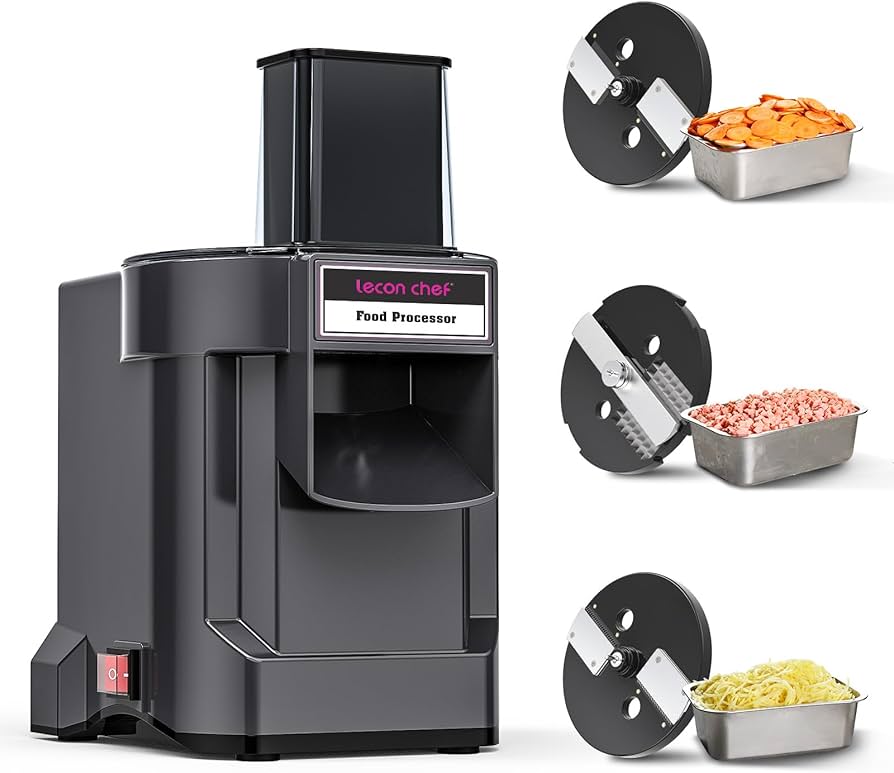
2. Electric Vegetable Chopper (Best for Fast Cooking
An electric vegetable chopper is powerful and time-saving.
✔ Fast chopping in seconds
✔ Great for large families
✔ Ideal for daily cooking
Ideal for: onions, carrots, herbs, bulk prep
3. Mandoline Slicer (Best for Thin Cuts)
A mandoline is perfect for precision slicing.
✔ Thin and even slices
✔ Great for salads and garnishing
✔ Requires careful handling
4. Pull-Cord Vegetable Chopper
A simple mechanical option.
✔ No electricity needed
✔ Quick chopping control
✔ Good for light daily use
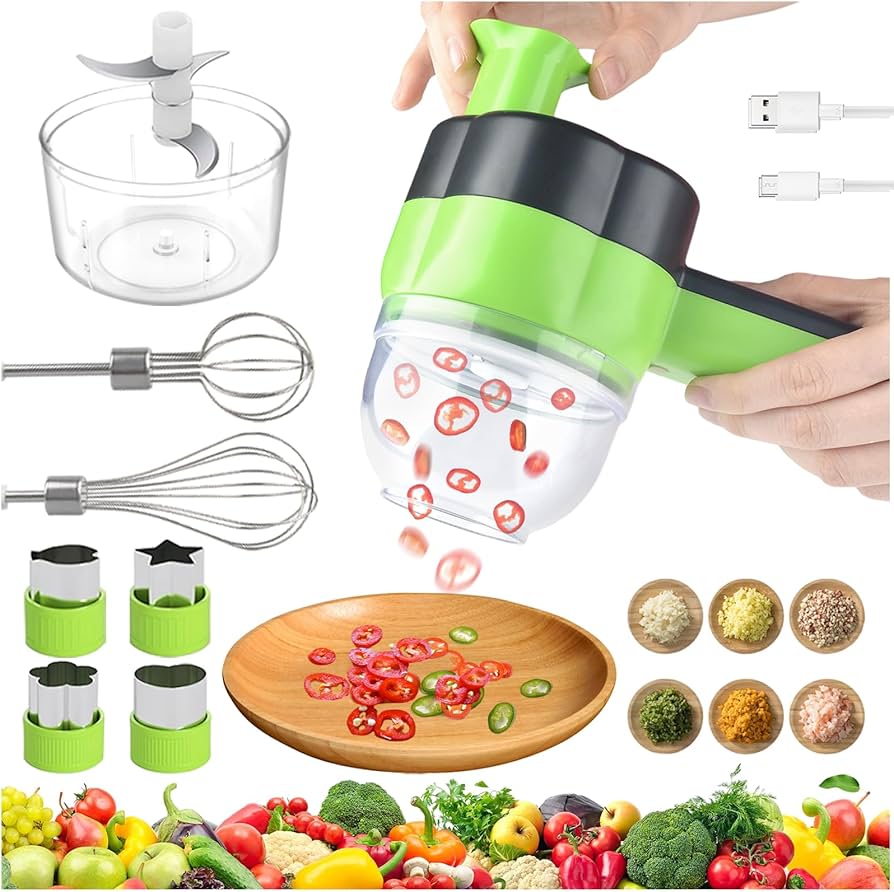
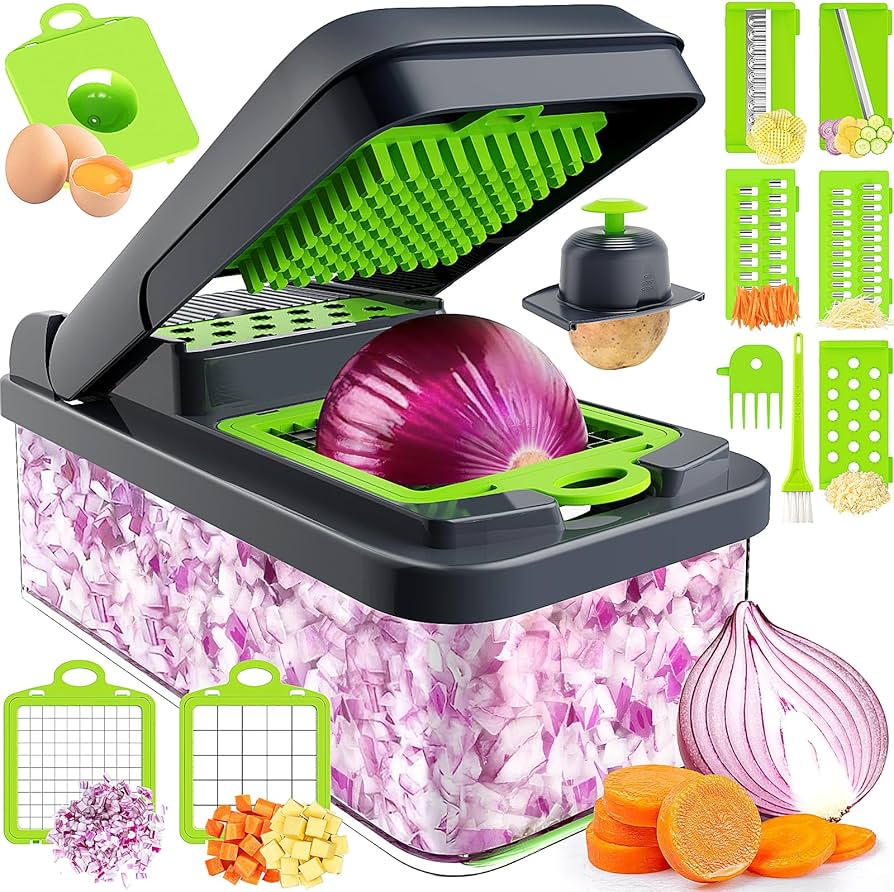
5. Multi-Functional Vegetable Chopper
These come with multiple blades and attachments.
✔ Slice, dice, grate, chop in one tool
✔ Saves kitchen space
✔ More expensive but versatile
Source: amazon.com
Key features to compare before buying
Focus on features that affect safety, longevity, and ease of use. These matter more than brand or price.
- Blade material and sharpness
- Look for stainless steel or high-carbon steel blades. Sharp blades cut clean and stay safe.
- Ease of cleaning
- Dishwasher-safe parts save time. Fewer crevices means fewer places for food to hide.
- Safety features
- Non-slip bases, hand guards, and locking lids reduce injuries.
- Capacity and bowl size
- Choose bowl size for typical batch sizes. Big bowl for family meals; small for snacks.
- Versatility and blade options
- Interchangeable grids and discs add value if you need slices and dice with one tool.
- Build quality and materials
- Sturdy plastic and metal parts last longer than thin, brittle plastic.
- Storage and footprint
- Stackable parts and compact designs help small kitchens.
- Price and warranty
- Expect to pay more for better blades and stronger motors. A warranty gives peace of mind.
While choosing the best vegetable chopper is important, keeping it clean is just as critical for performance and food safety. A poorly maintained chopper can lose sharpness, trap bacteria, and develop odors over time. To make sure your tool lasts longer and stays hygienic, check out our complete guide on how to clean a vegetable chopper properly, where we break down step-by-step cleaning, deep sanitizing, and maintenance tips.
Source: amazon.com
How to match a chopper to your cooking needs
Answer a few quick questions to pick the right chopper.
- How often do you chop?
- Daily cooks benefit from faster electric units. Occasional cooks do fine with manual tools.
- What volume do you prep?
- Single-serve prep needs small capacity. Batch cooking needs larger bowls or motors.
- Do you need multiple cuts?
- If you want slices, grates, and dices, choose multi-blade systems.
- How much counter or storage space do you have?
- Tiny kitchens need compact, stackable options.
- Are safety and cleaning priorities?
- Choose devices with hand guards and dishwasher-safe parts.
When thinking about How to Choose a Vegetable Chopper for Home Use, be honest about your habits. I switched to an electric chopper when family size grew. It cut prep time in half and saved me energy.
Testing tips: what to try before you buy
If possible, test or closely inspect the chopper in store or via reviews.
- Check blade alignment and feel
- Blades should feel flush and secure. Loose blades are dangerous.
- Try the lid and lock
- Locks should engage smoothly and hold tight.
- Inspect seals and joints
- Tight seals prevent leaks and reduce cleaning effort.
- Read user reviews about durability
- Look for reports on blade life and motor strength.
These checks make How to Choose a Vegetable Chopper for Home Use more practical. My rule: spend a little more for a unit with a known reputation for long blade life.
Source: amazon.com
Cleaning, maintenance, and safety best practices
A chopper that is easy to clean gets used more. Safety keeps you cooking.
- Clean right after use
- Rinse or soak to avoid stuck food. Use a soft brush for blades.
- Dry parts thoroughly
- Prevent rust and odor by drying before storage.
- Replace dull blades or sharpen
- Dull blades force more pressure and increase risk of slips.
- Store safely
- Keep blades covered and out of reach of children.
- Use guards and follow instructions
- Never force food through a chopper without a pusher or guard.
These practical steps are part of How to Choose a Vegetable Chopper for Home Use. They keep the tool working well and your hands safe.
Proper cleaning is essential for food safety. Experts at USDA recommend keeping kitchen tools clean and dry to prevent bacterial growth and contamination.
Budget guide and realistic expectations
Price often reflects durability and features. Here is what to expect in each range.
- Under $25
- Basic manual dicers. Best for infrequent use and small tasks.
- $25–$75
- Good manual systems, some mid-range electric models. Better blades and parts.
- $75–$150
- Strong electric choppers with durable parts. More blade options.
- $150+
- Professional-style multi-function systems or heavy-duty electric units.
When you learn How to Choose a Vegetable Chopper for Home Use, balance cost and expected use. I advise buying the best you can afford within the right price band for your needs.
Source: amazon.com
PAA-style quick questions
What is the easiest vegetable chopper to use?
A simple pull-cord or push-button electric chopper is easiest. It requires the least manual force and works fast.
Can a vegetable chopper handle tomatoes and onions?
Yes, most choppers can handle soft items like tomatoes and onions, but they may crush soft fruit unless blades are sharp and the unit has good cutting action.
Do mandolines replace vegetable choppers?
Mandolines are better for thin slices and julienne. They do not replace dicers for cubed vegetables.
How often should blades be replaced?
Replace or sharpen blades when they dull. Frequency depends on use but often every 1–3 years for regular home cooks.
Is a dishwasher-safe chopper better?
Dishwasher-safe parts add convenience but check the manual. Some blades lose sharpness if washed improperly.
Personal experience and mistakes to avoid
I once chose a cheap chopper for its low price. The blades dulled fast. Cleanup was hard and parts broke. I now buy mid-range units with stainless blades and simple parts. That choice saved time and money.
Avoid these mistakes:
- Buying only by price
- Low price often means low quality.
- Ignoring cleaning needs
- Complex parts get ignored and grow bacteria.
- Overlooking safety features
- No guard can lead to injuries.
How to Choose a Vegetable Chopper for Home Use is part common sense and part testing. Learn from others, then choose the tool that fits your kitchen life.
Related concepts and alternatives
Consider these related tools if a chopper is not ideal.
- Food processor
- More powerful. Good for large batches and purees.
- Chef knife and cutting board
- Versatile and trusted. A skilled hand can match many choppers.
- Handheld graters and zesters
- Best for tiny tasks like zest or small grates.
These alternatives help when you weigh How to Choose a Vegetable Chopper for Home Use. Sometimes a knife or a food processor is the better fit.

Source: walmart.com
Frequently Asked Questions of How to Choose a Vegetable Chopper for Home Use
What is the best material for chopper blades?
Stainless steel blades resist rust and stay sharp longer. High-carbon steel can be sharper but needs more care.
Can electric choppers handle frozen vegetables?
Most cannot handle very hard frozen blocks. Partially thaw or chop smaller frozen pieces to protect the motor.
Are multi-blade systems worth the money?
If you often need varied cuts, yes. They save space and time by replacing multiple single-use tools.
How do I prevent slipping during use?
Choose a chopper with a non-slip base and secure lock. Use a damp towel under the unit for extra grip.
Is a chopper safe for children to use?
With supervision and guards, older children can help. Never let young children use sharp blades alone.
Conclusion
Choosing the right vegetable chopper saves time, improves meal quality, and keeps your kitchen safer. Focus on the type, blade quality, ease of cleaning, safety features, and how often you cook. Start by listing your cooking needs and match them to capacity, power, and budget. Try units in person when possible. Take action: pick a model that fits your routine and try it for a month. Share your experience, subscribe for more kitchen tips, or leave a comment about your favorite chopper.