Use a blender, ripe fruit, liquid, and ice for creamy homemade smoothies.
I’ve made hundreds of smoothies in home and test kitchens, so I’ll walk you through how to make blender smoothies step by step. This guide covers gear, ingredient choices, texture tips, safety, recipes, and fixes for common problems. Read on to master simple, tasty, and nutritious blender smoothies you’ll want every day.
Why choose blender smoothies?
Blender smoothies are fast, versatile, and easy to customize. They blend whole foods into a drinkable meal that saves time. Making blender smoothies at home helps you control sugar, portion size, and nutrients.
Benefits include:
- Quick meal or snack in under five minutes.
- Easy way to add fruits, vegetables, protein, and healthy fats.
- Lower cost and fewer additives than store-bought drinks.
- Great for travel, workouts, or busy mornings.
I tested budget and high-end blenders to learn how blade speed and jar shape affect texture. A good blender can crush frozen fruit, make nut butter, or puree greens without leaving strings. Learning how to make blender smoothies the right way gives consistent results every time.

Essential equipment and ingredients
Choosing the right tools and basics makes how to make blender smoothies easy and reliable.
Must-have equipment:
- Blender with 500–1000 watts for most home needs.
- Measuring cup or scale for consistency.
- Sturdy jar or freezer bags for prep and freezing.
- Straw or shaker bottle for on-the-go drinking.
Core ingredient groups:
- Base liquid: water, milk, plant milk, or juice.
- Fruit: fresh or frozen berries, bananas, mango, pineapple.
- Veggies: spinach, kale, cucumber, or cooked sweet potato.
- Protein: Greek yogurt, protein powder, silken tofu, or nut butter.
- Healthy fat: avocado, chia seeds, flaxseed, or nut butter.
- Texture boosters: ice, frozen fruit, oats, or cooked grains.
- Sweeteners (optional): honey, maple syrup, or dates.
Storage & prep extras:
- Ice cube trays for frozen fruit purées.
- Airtight containers for overnight oats and smoothie packs.
I prefer frozen fruit and yogurt for creaminess. My experience shows frozen bananas give a milkshake-like texture without added ice.
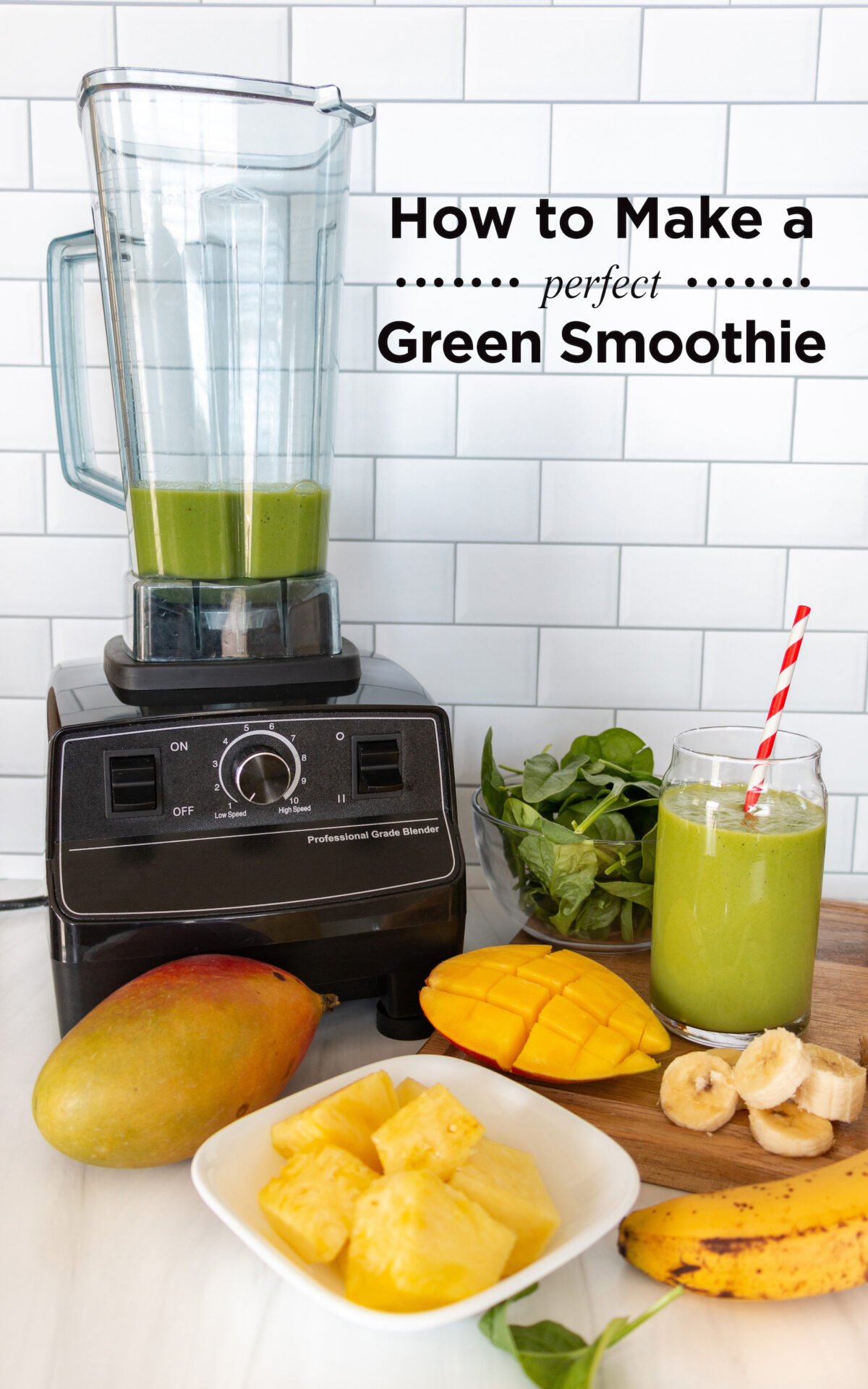
Step-by-step: How to make blender smoothies
Follow this clear sequence to make consistent blender smoothies every time.
- Plan your ratio
- Aim for roughly 1 part liquid to 2 parts solids for a thick smoothie; use more liquid for a sippable drink.
- Layer ingredients in the blender
- Put liquid first to protect the blades.
- Add soft ingredients next: yogurt, nut butter, protein powder.
- Add frozen fruit and ice last to sit near the blades.
- Blend in stages
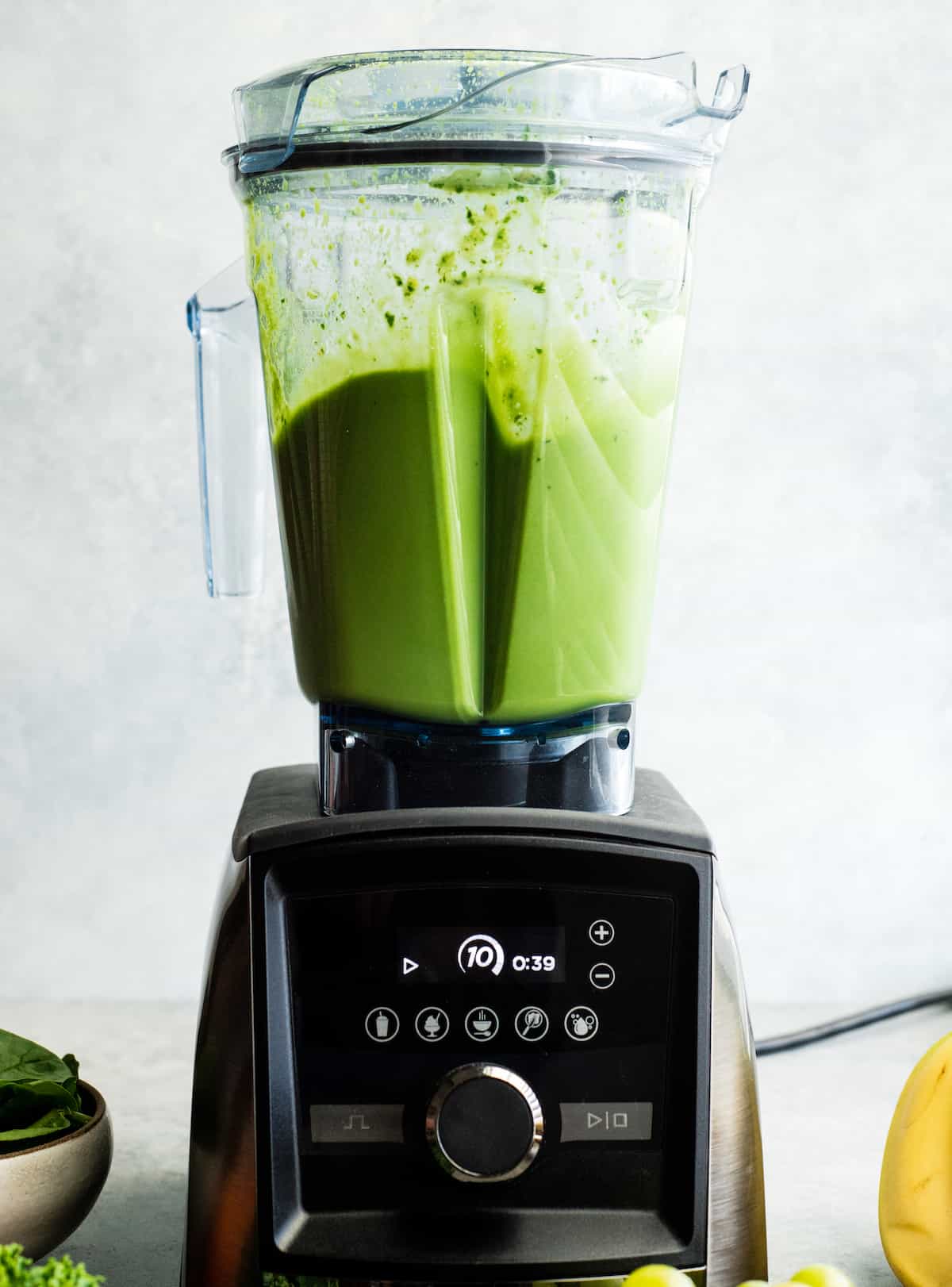
- Start on low for 5–10 seconds to combine.
- Increase to high for 30–60 seconds until smooth.
- Pulse if needed to break up big chunks.
- Adjust texture and flavor
- Add small amounts of water or milk if too thick.
- Add a few ice cubes or frozen fruit if too thin.
- Taste and add sweetener or citrus for balance.
- Serve immediately
- Smoothies are best fresh. Drink within 1 hour for peak texture and nutrients.
Example basic formula:
- 1 cup liquid
- 1 cup frozen fruit
- 1/2 cup fresh fruit or yogurt
- 1 handful greens (optional)
- 1 scoop protein or 1 tablespoon nut butter
That simple framework guides how to make blender smoothies from green blends to dessert-style shakes.
Three easy recipes to start
These tested recipes show variations for breakfast, workout, and dessert.
Breakfast green smoothie
- 1 cup almond milk
- 1 frozen banana
- 1 cup spinach
- 1 tablespoon chia seeds
- 1/2 cup Greek yogurt
Blend until smooth.
Berry protein smoothie
- 1 cup water or milk
- 1 cup mixed frozen berries
- 1 scoop vanilla protein powder
- 1 tablespoon almond butter
Blend until creamy.
Tropical recovery smoothie
- 1 cup coconut water
- 1/2 cup frozen mango
- 1/2 cup pineapple
- 1/4 avocado
- Pinch of salt
Blend until silky.
These show how to make blender smoothies for different occasions. Swap ingredients freely to match taste and goals.

Texture, sweetness, and nutrition tips
Small tweaks make a big difference in how to make blender smoothies you love.
Texture tips
- Use frozen bananas for creaminess.
- Pulse first to break large chunks.
- Add oats or cooked sweet potato for thickness and fiber.
Sweetness and flavor
- Ripe fruit adds natural sweetness.
- A squeeze of lemon or lime brightens flavors.
- Dates or a touch of maple syrup can sweeten without refined sugar.
Nutrition boosts
- Add a scoop of protein powder or Greek yogurt to boost protein.
- Include a tablespoon of seeds or nut butter for healthy fats.
- Toss in leafy greens for fiber and micronutrients—flavor stays mild if masked with fruit.
From my kitchen tests, blending order and liquid amount are key to texture. Start conservative with liquids and add more if needed.
:max_bytes(150000):strip_icc()/sea-personal-blenders-lead-image-nutribullet-smeg-ninja-ashia-aubourg-02-2fe28ce691d047cb956a51c541330b3d.jpeg)
Troubleshooting common problems
Here are fixes for issues you may face when you make blender smoothies.
If smoothie is too thin
- Add frozen fruit, ice, or a tablespoon of oats.
If smoothie is too thick or won’t blend - Add a splash of liquid and pulse. Scrape the sides and blend again.
If chunks or fibrous bits remain - Blend longer on high or use a tamper if your blender has one.
If the smoothie tastes bland - Add salt, citrus, or a pinch of spice like cinnamon or ginger.
These quick fixes come from real trials. They save time and keep results consistent.

Prep ahead, storage, and safety
Plan and store safely for busy days and peak freshness.
Prep-ahead ideas
- Freeze single-serve fruit packs in reusable bags.
- Portion dry add-ins like oats and seeds in jars.
- Make smoothie kits with measured ingredients for quick blending.
Storage rules
- Store smoothies in airtight bottles in the fridge up to 24 hours.
- Freeze in portions if you need longer storage; thaw in fridge or blend frozen.
Safety tips
- Clean your blender right after use to avoid stains and bacteria.
- Handle sharp blades with care when cleaning.
- Avoid blending hot liquids unless your blender is rated for heat.
In my tests, making freezer packs cut prep time to under two minutes in the morning.
Frequently Asked Questions of how to make blender smoothies
What is the best blender for smoothies?
A blender with 500–1000 watts and a tall jar is great for most smoothies. Higher wattage helps crush ice and frozen fruit more smoothly.
Can I use frozen fruit instead of ice?
Yes. Frozen fruit adds cold and texture without watering down flavor, so it’s a preferred choice over ice.
How do I make smoothies last longer in the fridge?
Use airtight containers and chill them immediately. Drink within 24 hours for the best texture and nutrient retention.
Are smoothies healthy every day?
Smoothies can be healthy daily if balanced with protein, healthy fats, and fiber. Watch added sugars and portion size to avoid excess calories.
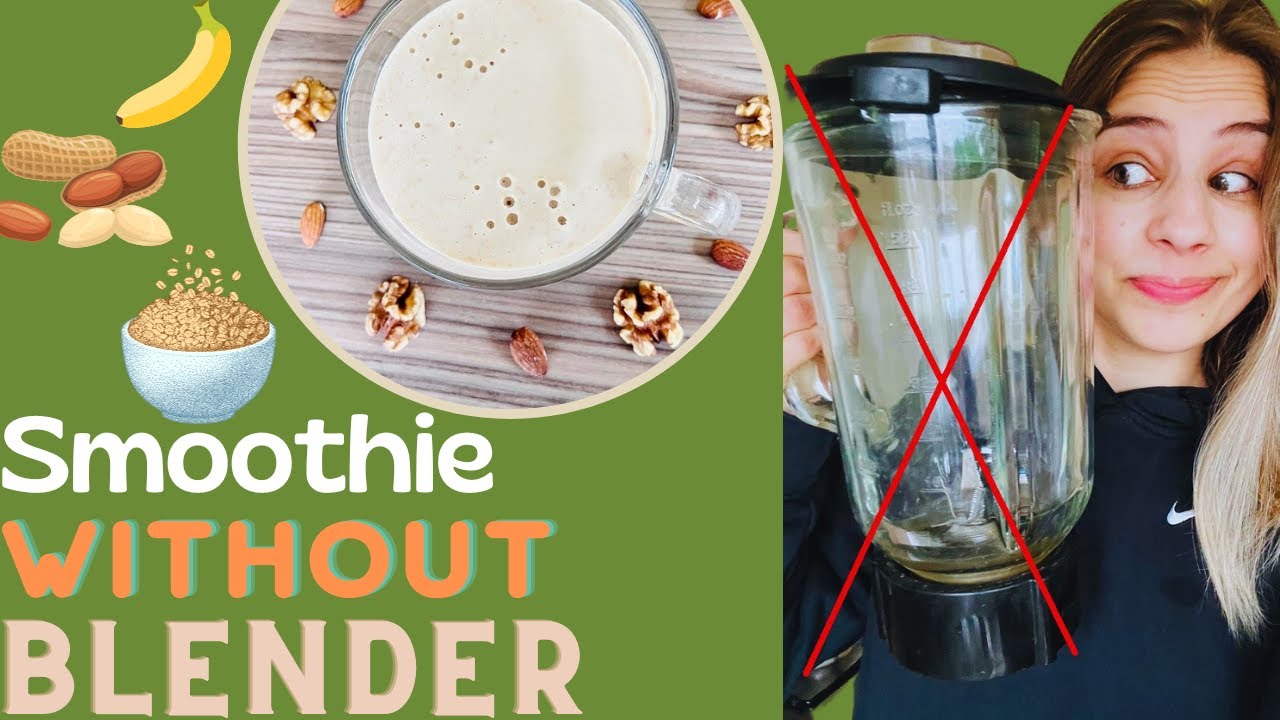
How do I make a smoothie without a blender?
If you don’t have a blender, use a food processor or a handheld immersion blender with a deep container. They work well for softer fruits and liquids.
Can I add supplements like protein powder?
Yes. Add protein powder, collagen, or greens powder to boost nutrition. Mix and taste, then adjust liquid to keep a smooth texture.
Conclusion
Making blender smoothies is simple once you know the key ratios, layering, and small tweaks that improve texture and flavor. Start with the basic formula, swap ingredients by taste, and use frozen fruit for creaminess. My practical tips and tested recipes will help you make consistent, tasty smoothies at home.
Try one recipe today, make a freezer pack, and share your favorite mix. Leave a comment with questions or your top smoothie trick — I’d love to hear what you make.