Blend ripe tomatoes, a pinch of salt, lemon, and water — pulse, strain, chill, and enjoy.
I’ve made tomato juice with a blender for years, and I’ll show you every step, tip, and trick to get silky, fresh juice at home. This guide on how to make tomato juice with a blender covers ingredients, tools, step-by-step methods, troubleshooting, nutrition, and tasty variations. You’ll learn simple techniques I use, common mistakes to avoid, and quick fixes so your tomato juice turns out great every time.
Ingredients and tools you need
Gather fresh, ripe tomatoes and basic kitchen tools. Learning how to make tomato juice with a blender starts with the right ingredients and a good blender.
Use these ingredients for one quart of juice:
- 6 to 8 medium ripe tomatoes, washed and quartered
- 1/2 teaspoon salt, or to taste
- 1 tablespoon lemon juice or 1 teaspoon vinegar, optional
- 1/2 cup cold water, or more to adjust thickness
- 1 teaspoon sugar or honey, optional for balance
Tools I use often:
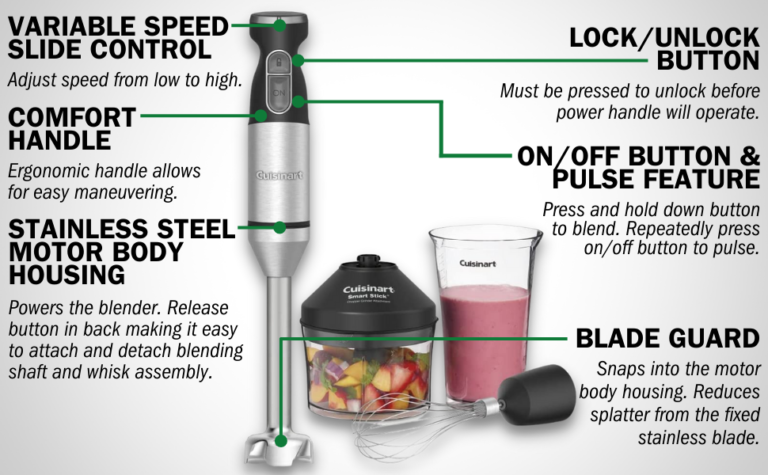
- High-speed blender or countertop blender
- Fine mesh strainer or nut milk bag for clearer juice
- Large bowl and measuring spoons
- Knife and cutting board
Why these choices matter:
- Ripe tomatoes give natural sweetness and depth.
- A blender breaks down pulp fast.
- Straining gives smooth texture and longer fridge life.
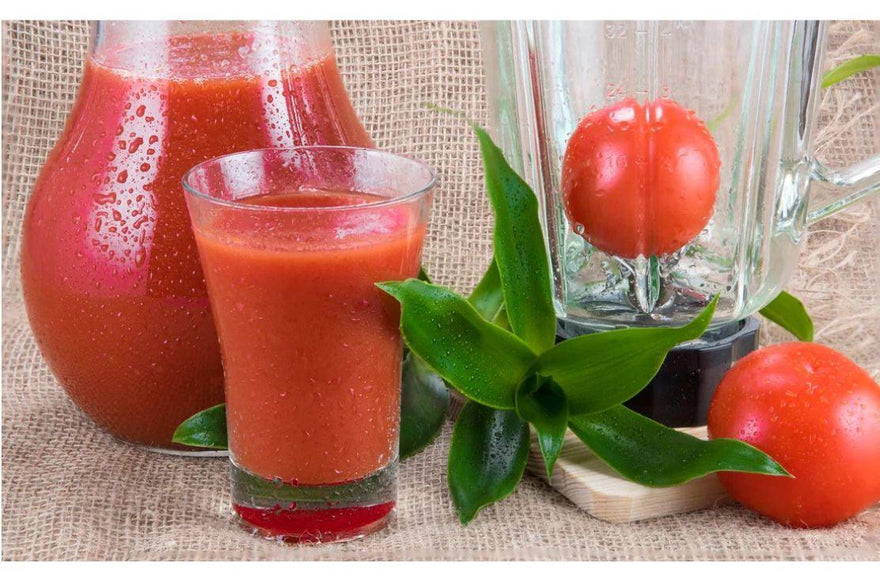
Step-by-step: how to make tomato juice with a blender
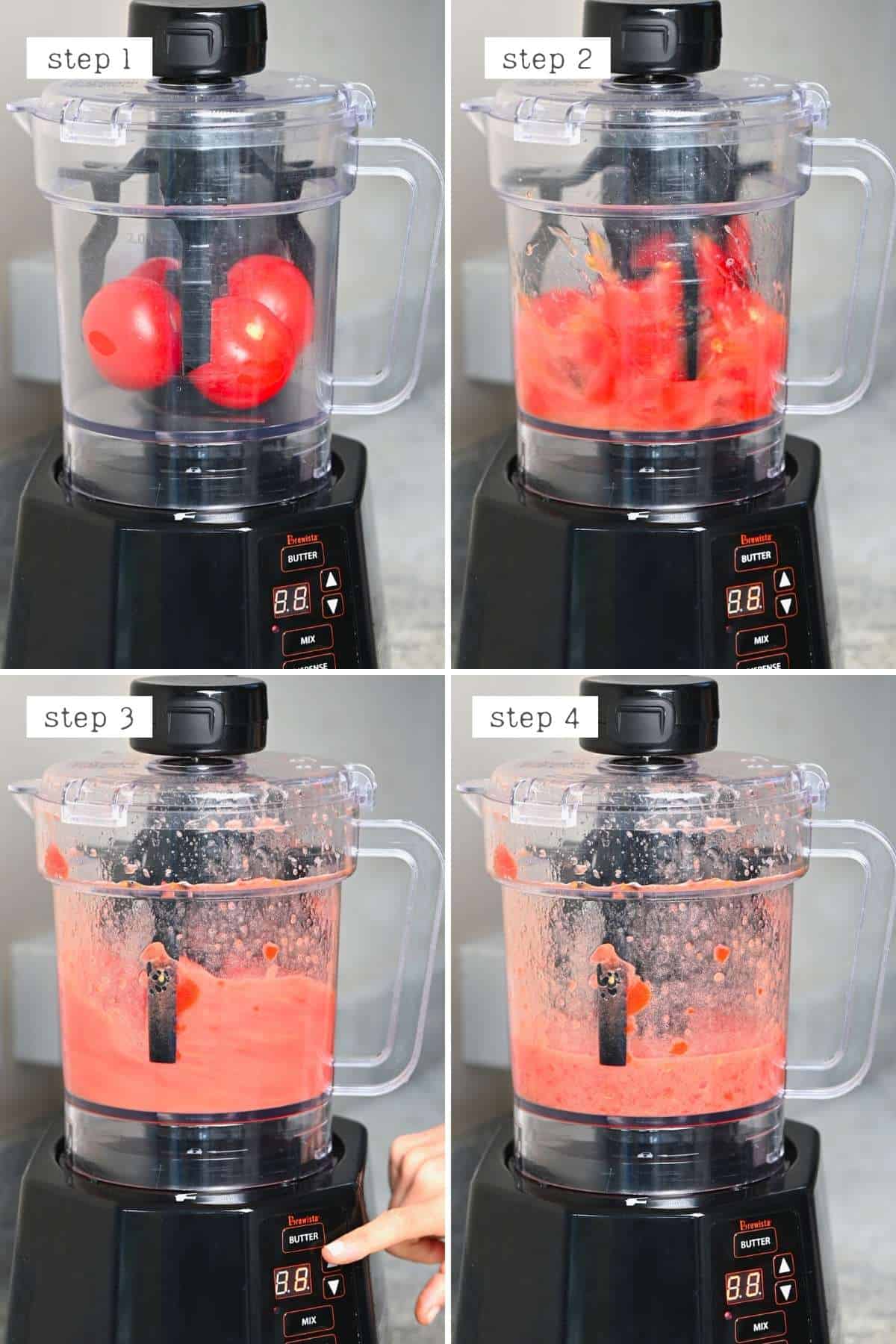
Follow these clear steps for consistent results. This is the basic recipe I make when I want fresh juice fast.
- Prep the tomatoes
- Core and quarter tomatoes. Remove big stems and any bruised spots.
- Blend in batches
- Put tomatoes, salt, and lemon juice into the blender. Add a little water to help blending.
- Pulse until smooth, about 30 to 60 seconds per batch.
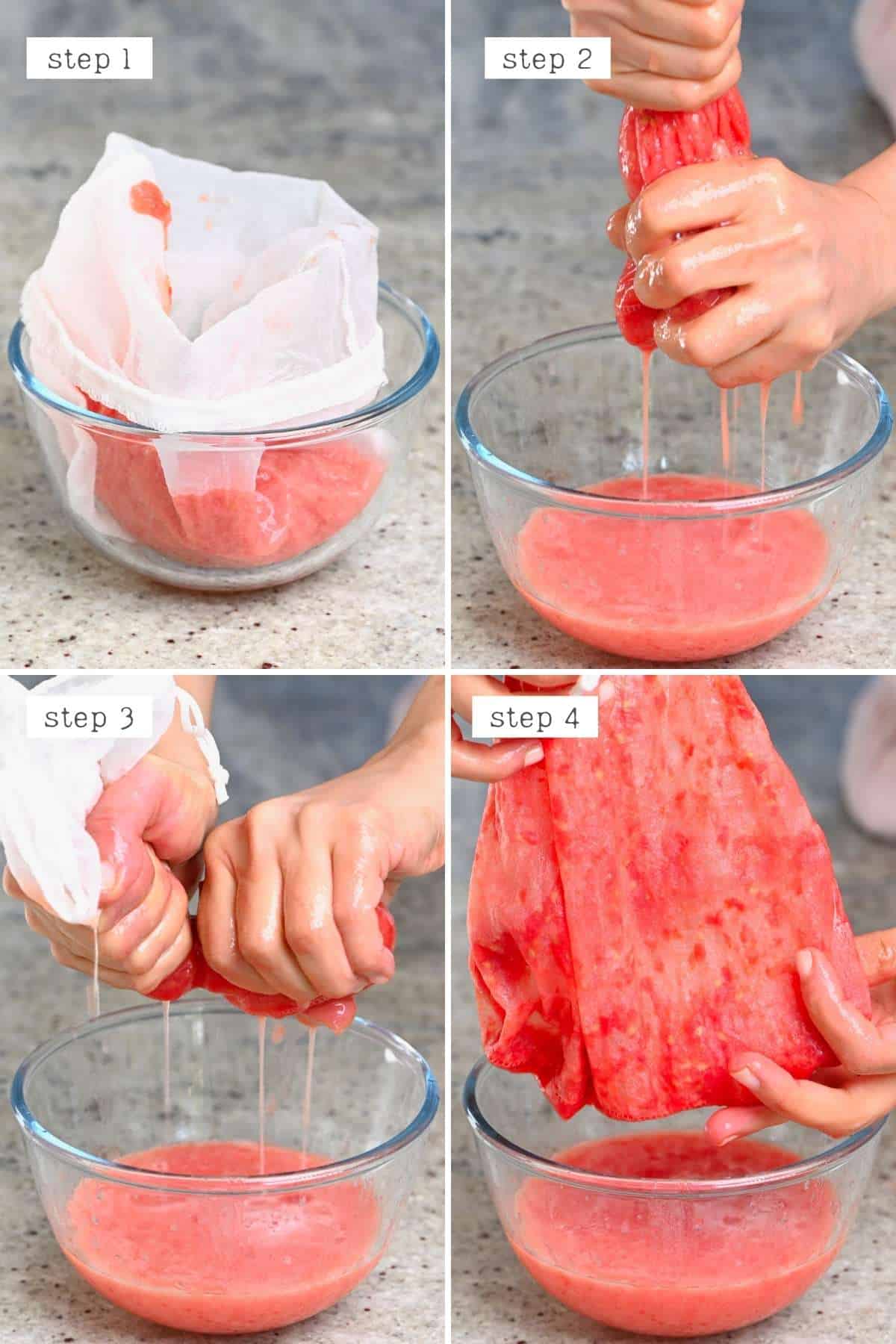
- Strain for smoothness
- Pour the blended mix through a fine mesh strainer or nut milk bag into a bowl. Press or squeeze to get as much juice as possible.
- Taste and adjust
- Taste the juice. Add salt, sugar, or lemon to balance acidity.
- Chill and store
- Chill in the fridge for at least one hour. Store in a sealed container for 3 to 4 days.
Pro tip: Chill your tomatoes first for a brighter flavor. I often refrigerate tomatoes for an hour before making juice. It helps the flavor pop.
Quick variations and flavor ideas
Make tomato juice to match your mood. Once you know how to make tomato juice with a blender, you can try many tasty shifts.
Savory twists:
- Add 1/4 teaspoon celery salt and 1/4 teaspoon Worcestershire sauce for a bloody Mary base.
- Blend in a small clove of garlic and a few basil leaves for a herbal lift.
Sweet or mellow versions:
- Add a peeled cucumber for a lighter taste.
- Mix in a peeled carrot for natural sweetness and orange color.
Spicy takes:
- Add a pinch of cayenne or a few drops of hot sauce.
- Blend with jalapeño for a kick; remove seeds for milder heat.
Serving ideas:
- Serve over ice with a lime wedge.
- Use as a base for soups or stews.
Nutrition, benefits, and safety notes
Tomato juice can be a low-calorie, nutrient-rich drink. Knowing the basics helps you use it well.
Nutrition highlights:
- Tomatoes provide vitamin C, potassium, and lycopene, a strong antioxidant.
- Homemade juice keeps fiber in part, but straining reduces it. Keep some pulp if you want more fiber.
Safety tips:
- Use ripe, firm tomatoes to avoid off flavors.
- Store juice at 40°F (4°C) or below. Throw out after 3 to 4 days.
- If the juice smells off or looks moldy, discard it.
I check freshness by smell and taste. Once I left juice in a warm kitchen and it fermented unexpectedly. That taught me to cool juice quickly and store it cold.
Troubleshooting and common issues
If your tomato juice is bland, watery, or bitter, small fixes help. These short solutions come from tests and real kitchen mistakes.
Why is my juice bland?
- Use riper tomatoes or add a touch of salt and lemon. A small bit of sugar can balance acidity.
Why is it too thick or pulpy?
- Add cold water and blend again. Strain more thoroughly through a nut milk bag.
Why is my juice bitter?
- Remove cores and green parts before blending. Overripe or underripe tomatoes can cause bitterness.
How to fix cloudy juice
- Chill the juice. Cold helps solids settle. Strain again if needed.
Can you make tomato juice without a blender?
Yes. You can boil tomatoes and strain them or use a food mill. A blender just speeds up the process.
Is it better to peel tomatoes first?
Peeling is optional. Skin adds nutrients but can make texture coarser. Blending and straining removes most skin bits.
How long will homemade tomato juice last?
Stored cold, fresh juice lasts 3 to 4 days. Acidifying slightly with lemon can extend freshness a little.
My personal tips and mistakes to avoid
I’ve made tomato juice dozens of times. These small lessons save time and waste.
What I learned:
- Always taste mid-way. Adjust seasoning while the juice is fresh.
- Avoid over-emptying the blender jar. Blend in batches to get even texture.
- Cool the juice quickly. I put the bowl in an ice bath after straining to speed chill.
Common mistakes I see:
- Using unripe tomatoes for convenience. The juice tastes flat.
- Forgetting to season. A pinch of salt transforms the flavor.
- Skipping strain when you want a smooth drink.

Related uses and recipes
Tomato juice is versatile. Once you master how to make tomato juice with a blender, use it in many recipes.
Ideas to try:
- Bloody Mary or virgin cocktails.
- Tomato-based soups and gazpacho.
- Cooking liquid for rice, pasta, or braised dishes.
Frequently Asked Questions of how to make tomato juice with a blender
How many tomatoes make one cup of juice?
About two medium tomatoes typically yield one cup of juice. Yield varies with the tomato type and how much you strain.
Do I need to peel tomatoes before blending?
Peeling is optional. Blending and straining removes most skins, so you can skip peeling for speed.
Can I use canned tomatoes for blender juice?
Yes. Use canned whole or crushed tomatoes, then blend and strain to adjust texture and seasoning.
Should I add sugar to tomato juice?
Only if tomatoes are too acidic. Start with a small pinch and taste before adding more.
Can I freeze homemade tomato juice?
Yes. Freeze in airtight containers for up to 6 months. Leave space for expansion to avoid bursting.
Conclusion
Making tomato juice with a blender is simple, fast, and flexible. Use ripe tomatoes, blend in batches, strain for smoothness, and season to taste. Try a few variations, chill well, and store cold for up to four days. Now that you have clear steps and real tips, pick a batch of ripe tomatoes and make your first glass. Share your favorite twist in the comments or subscribe for more easy kitchen guides.