Sauté riced cauliflower in a hot pan with oil and seasonings until tender and fluffy.
I’ve cooked and tested cauliflower rice for years, and this guide shows you exactly how to cook cauliflower rice like a pro. I’ll walk you through simple prep methods, multiple cooking techniques, seasoning tips, and real-life troubleshooting. You’ll learn fast, healthy ways to make cauliflower rice that tastes great and fits many diets.
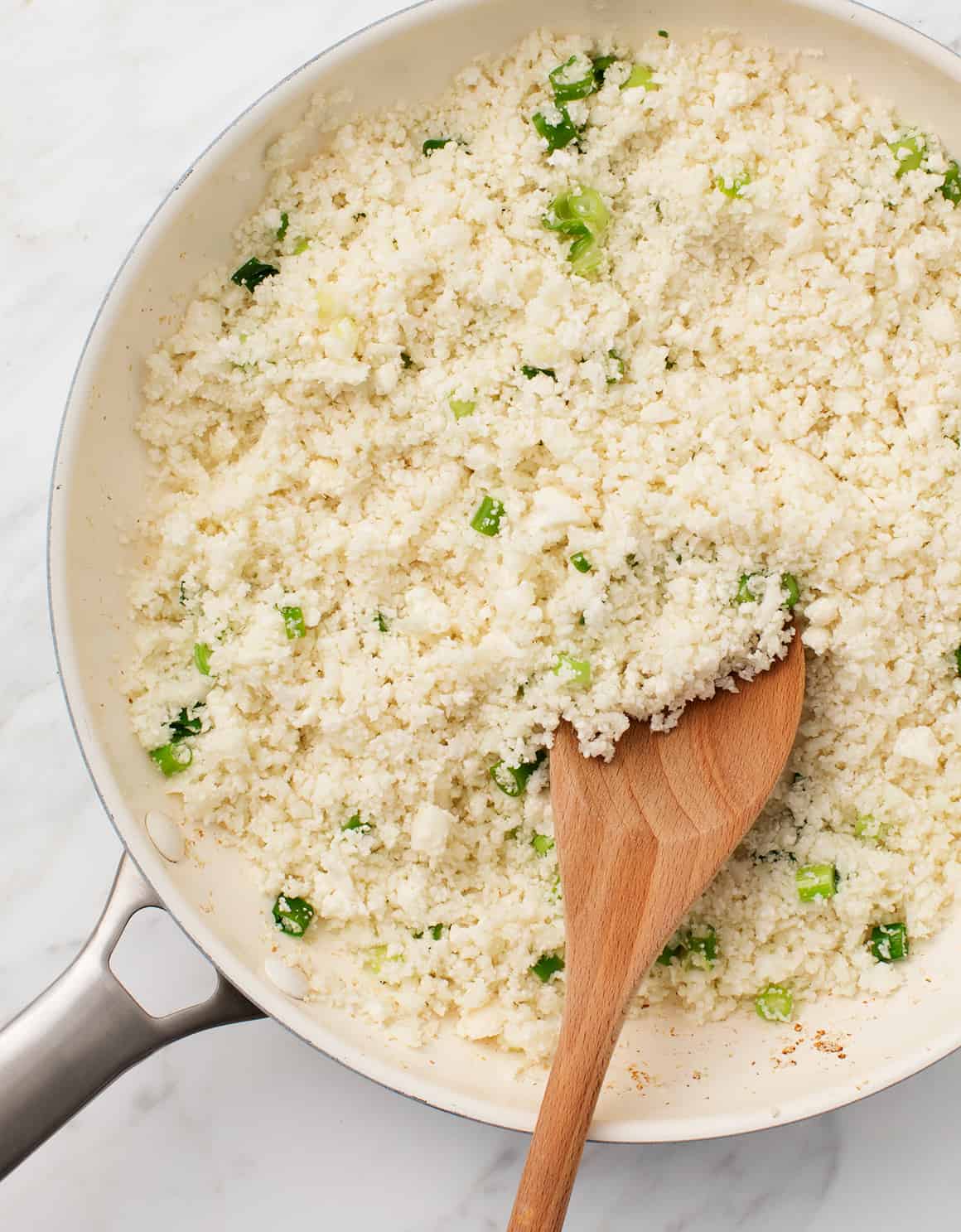
Why choose cauliflower rice?
Cauliflower rice is a low-carb, nutrient-packed substitute for grain rice. It trims calories and boosts vegetable intake. Many people pick cauliflower rice for keto, low-calorie, and gluten-free meals.
Benefits at a glance:
- Low in calories and carbs while high in fiber.
- Good source of vitamin C, folate, and antioxidants.
- Versatile: use it as a base for stir-fries, bowls, or side dishes.
I often use cauliflower rice when I want a quick side that stays light. It cooks fast and absorbs flavors well. Learning how to cook cauliflower rice opens many healthy meal options.

What you need: tools and ingredients
Keep tools simple. You don’t need fancy gear to learn how to cook cauliflower rice.
Essential tools:
- Food processor for speed and uniform texture.
- Box grater or sharp chef’s knife as budget options.
- Sauté pan or skillet for stovetop cooking.
- Clean kitchen towel or cheesecloth to drain moisture.
Basic ingredients:
- 1 medium head of cauliflower (about 4 cups riced).
- 1 to 2 tablespoons oil or butter.
- Salt and pepper.
- Optional aromatics: garlic, onion, fresh herbs.
I prefer a food processor. It makes consistent rice fast. But I also grate or finely chop when I don’t want another appliance to clean.

How to prep cauliflower rice
Prep right and you avoid soggy results. Follow these steps to get fluffy cauliflower rice every time.
Steps to prep:
- Wash and dry the cauliflower.
- Remove leaves and core. Chop into florets.
- Pulse florets in a food processor until grain-sized. Or grate with a box grater. Or finely chop with a knife.
- Spread on a towel and press to remove excess moisture for 30–60 seconds.
Pro tip: Don’t over-process in the food processor. Too many pulses create a mushy texture. Aim for rice-sized bits, not puree.
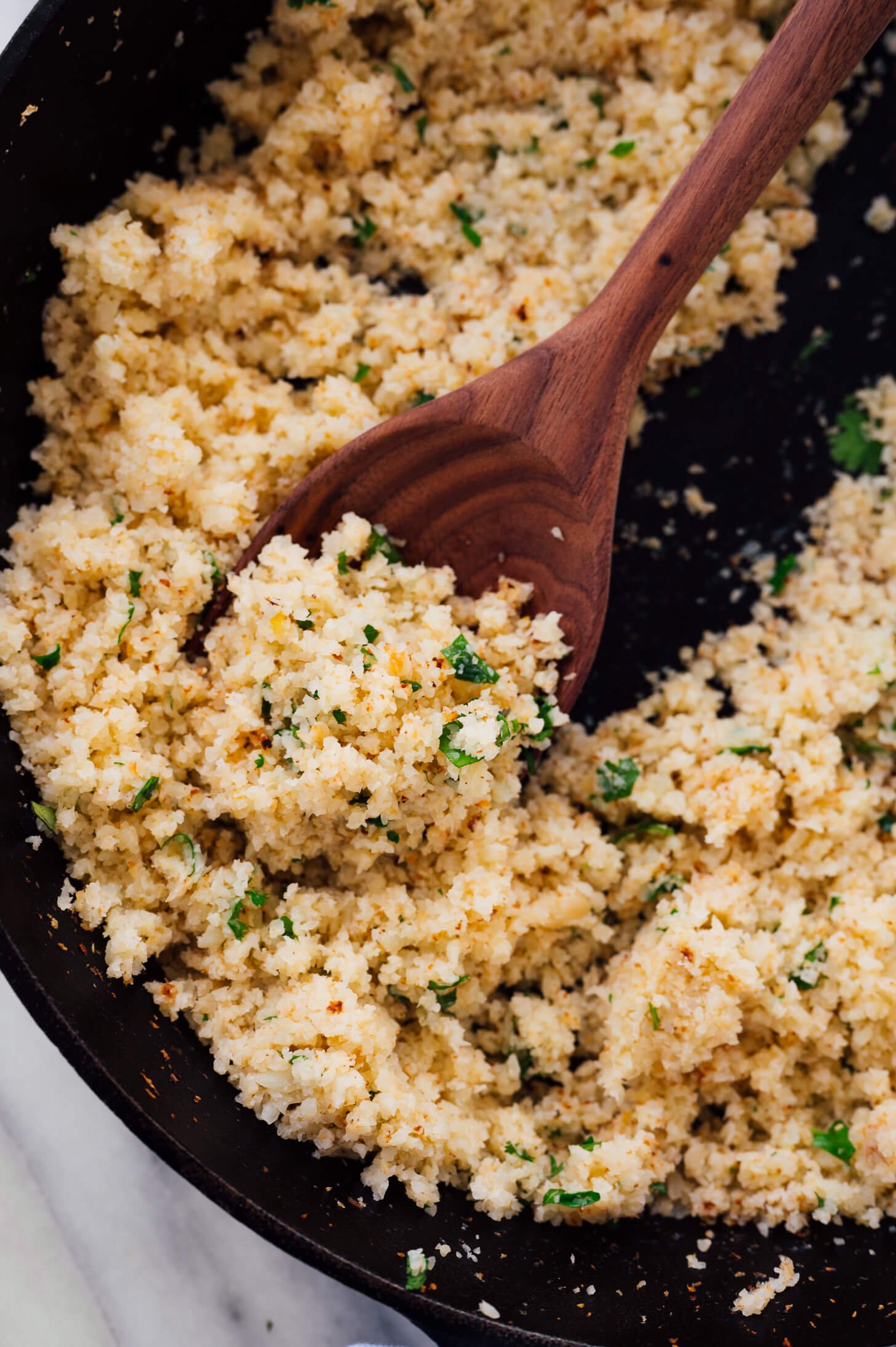
Cooking methods: stovetop, microwave, and oven
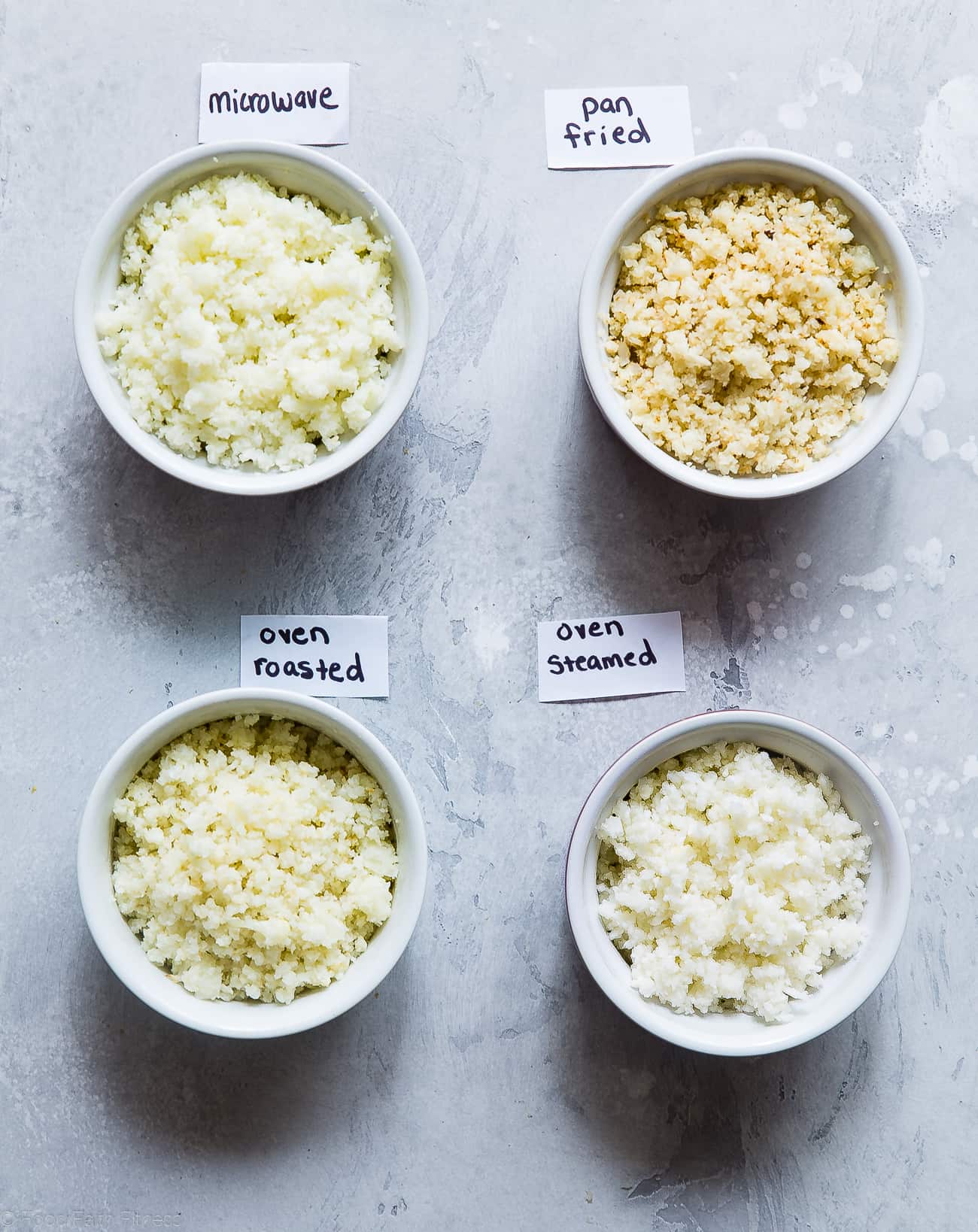
There are three great ways to cook cauliflower rice. I’ll cover each method so you can choose what fits your kitchen.
Stovetop sauté (best texture and flavor)
- Heat 1 to 2 tablespoons of oil in a wide skillet over medium-high heat.
- Add aromatics like minced garlic or finely chopped onion and cook until soft.
- Add riced cauliflower and stir to combine.
- Cook 5 to 8 minutes, stirring occasionally, until tender but not mushy.
- Season with salt, pepper, and fresh herbs.
Microwave (fast and easy)
- Place riced cauliflower in a microwave-safe bowl.
- Cover loosely and microwave on high for 2 to 4 minutes.
- Drain any released water and fluff with a fork.
- Season and serve.
Oven roast (for a toasted, nutty flavor)
- Preheat oven to 400°F (200°C).
- Toss riced cauliflower with a little oil and spread on a baking sheet.
- Roast 12 to 18 minutes, stirring halfway, until lightly browned.
- Season and serve warm.
How you cook depends on desired texture. For fluffy results, stovetop is my go-to. For convenience, microwave works well.
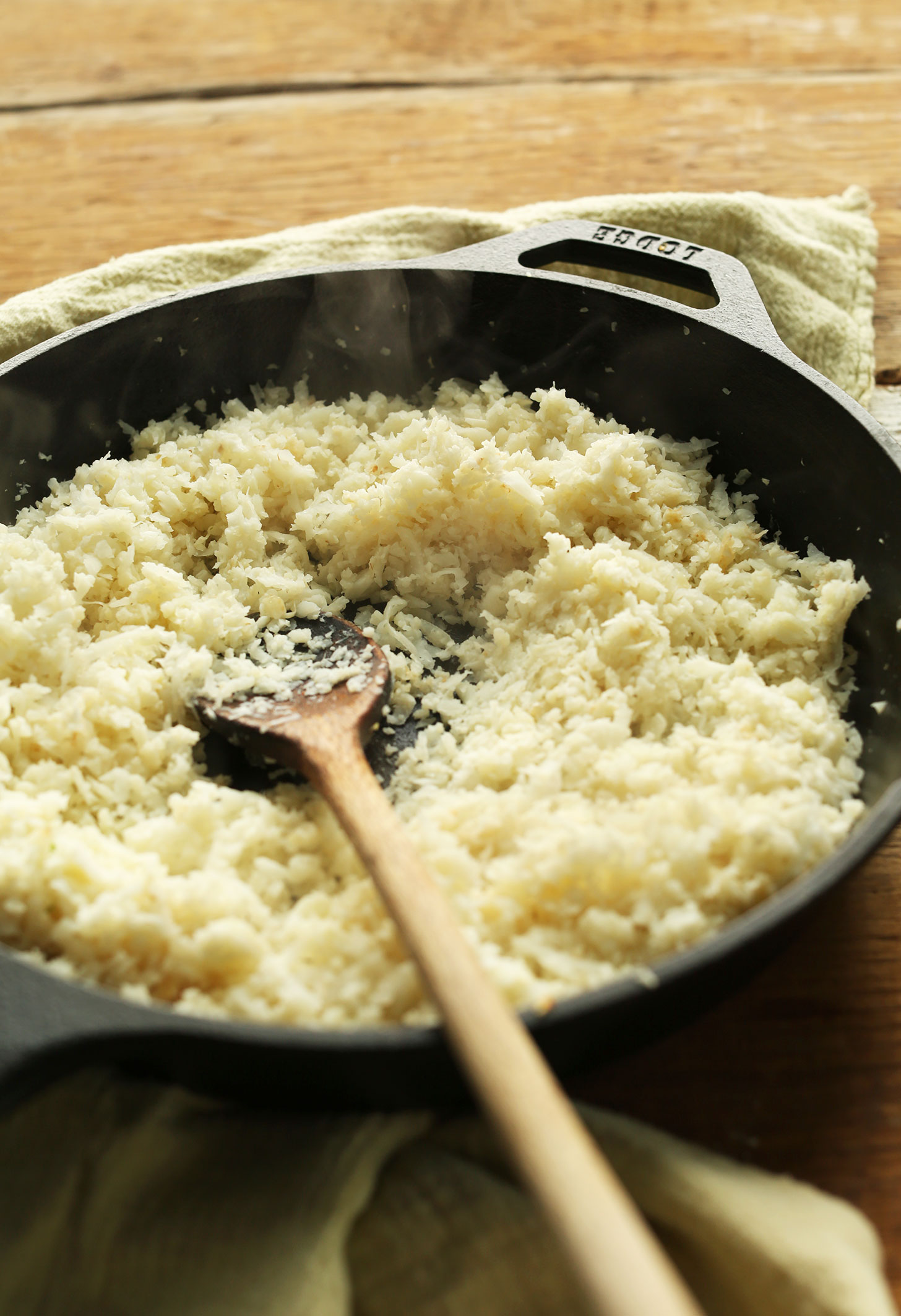
Seasoning and flavor ideas
Cauliflower rice is a blank canvas. Small seasoning tweaks transform it. Here are easy ideas I use often.
Simple seasonings:
- Salt and pepper with a squeeze of lemon.
- Garlic and butter for richer flavor.
- Soy sauce, sesame oil, and scallions for an Asian twist.
Herb-forward options:
- Cilantro, lime, and cumin for Mexican-inspired bowls.
- Parsley, lemon zest, and olive oil for Mediterranean notes.
Mix and match. I add toasted seeds or nuts for crunch. Taste as you go and adjust seasoning in small steps.

Portioning, storage, and reheating
Make extra and save time later. Proper storage keeps texture and flavor.
Storage tips:
- Store cooled cauliflower rice in airtight containers for up to 3–4 days.
- Freeze in portioned bags for up to 3 months. Flatten bags for quick thawing.
- Reheat in a hot skillet with a splash of water or oil to refresh texture.
Avoid sogginess by draining excess water before storing. When reheating frozen rice, cook straight from frozen in a skillet for best results.
Common mistakes and troubleshooting
I’ve learned several hard lessons while learning how to cook cauliflower rice. Avoid these common pitfalls.
Mistakes to avoid:
- Over-processing in a food processor leads to mush.
- Skipping the moisture squeeze can make rice soggy.
- Crowding the pan causes steaming, not sautéing.
- Overcooking makes it mealy and bland.
- If rice is watery, spread it on a baking sheet to dry for a few minutes.
- If it tastes bland, boost acidity with lemon or vinegar and add fresh herbs.
I once steamed a whole head in the microwave without drying it. The result was a limp bowl. Now I always dry and sauté.

How to use cauliflower rice: recipes and serving ideas
Cauliflower rice fits many dishes. Here are practical uses that taste great.
Meal ideas:
- Stir-fry base with veggies and protein.
- Burrito bowl substitute with beans, salsa, and avocado.
- Fried "rice" with egg, peas, and carrots.
- Side dish with roasted chicken or fish.
Serving tips:
- Pair with strong-flavored sauces or dressings.
- Add textures like roasted nuts or seeds.
- Mix with a small amount of regular rice if you want a middle ground.
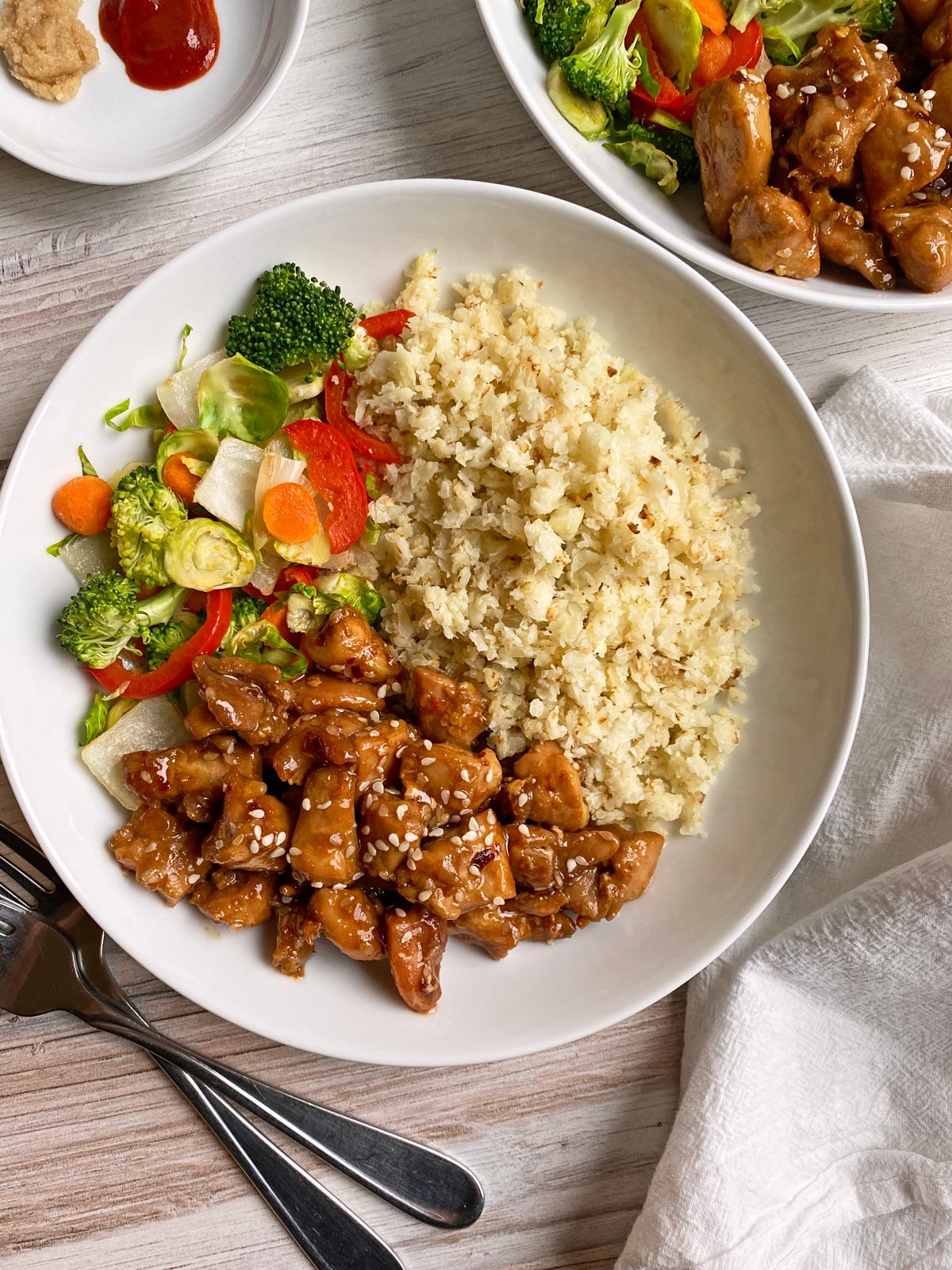
I often mix cauliflower rice into grain salads to cut carbs while keeping volume. It works well warmed or cold.
Small variations for dietary needs
Cauliflower rice adapts to diets and tastes. Try these tweaks.
Low-carb and keto
- Use oil and butter; skip sugary sauces.
- Add salty, umami sauces sparingly for flavor.
Paleo and Whole30
- Use ghee or coconut oil.
- Add herbs and lemon for bright flavor.
Vegan and vegetarian
- Sauté with olive oil, garlic, and nutritional yeast.
- Add beans or tofu for protein.
These variations keep meals accessible and tasty while following dietary rules.
Quick answers to common cooking questions
What is the best way to get fluffy cauliflower rice?
- The key is to dry the riced cauliflower and cook in a hot pan without overcrowding. Sauté until just tender.
Can I substitute cauliflower rice for rice in any recipe?
- Yes, in most cases. Texture and water content differ, so expect a lighter result and adjust liquids and seasonings.
How long should I cook cauliflower rice?
- Sauté for 5 to 8 minutes. Microwave for 2 to 4 minutes. Roast for 12 to 18 minutes. Aim for tender but slightly firm texture.
Frequently Asked Questions of how to cook cauliflower rice
How long does cauliflower rice take to cook on the stove?
Stovetop cauliflower rice typically cooks in 5 to 8 minutes over medium-high heat. Cook until tender but still slightly firm for best texture.
Can I freeze cooked cauliflower rice?
Yes, cooked cauliflower rice freezes well for up to 3 months. Freeze in flat portions and reheat directly from frozen in a skillet.
Is cauliflower rice healthier than regular rice?
Cauliflower rice is lower in calories and carbs and higher in some vitamins compared to white rice. It is not a direct nutrient match but is a healthy alternative for many diets.
How do I prevent cauliflower rice from becoming soggy?
Remove excess moisture after ricing and avoid crowding the pan while cooking. Use high heat and cook in batches if needed.
Can I use frozen cauliflower rice instead of fresh?
Frozen cauliflower rice is convenient and works well. Thaw or cook from frozen, then drain excess water and sauté for best texture.
Conclusion
You now have clear, practical steps to master how to cook cauliflower rice. Prep, dry, and choose the cooking method that fits your time and texture goals. Try stovetop sauté for flavor, microwave for speed, and oven roast for a toasted note.
Start small: make a batch, season it boldly, and pair it with a favorite dish. Share your favorite twist or question in the comments and subscribe for more simple, healthy cooking tips.