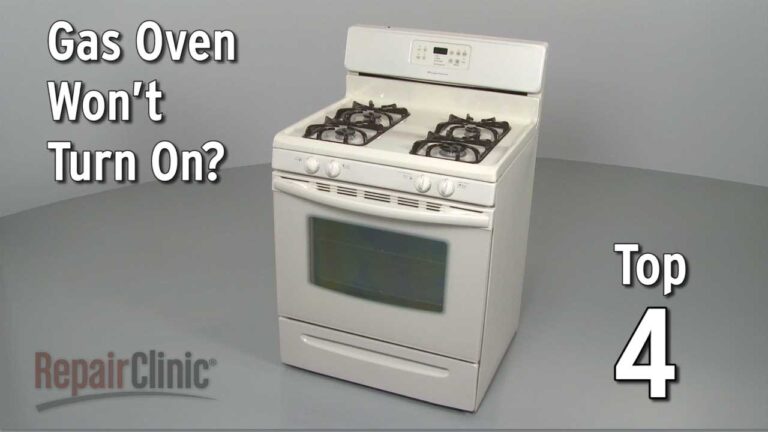
The oven stopped working because of simple electrical, ignition, or control issues that you can often diagnose safely.
I’ve spent years fixing and troubleshooting kitchen appliances, and this guide breaks down why the oven stopped working, how to test common parts, safety steps, realistic repair costs, and when to call a pro. Read on for clear, friendly, expert-backed advice you can use right now.

Why the oven stopped working — Common causes
When the oven stopped working, the cause is usually one of a few familiar issues. Short, simple checks can often point you to the problem.
- Power supply problems. The oven may have lost power due to a tripped breaker, a blown fuse, or a faulty plug or outlet.
- Control board or display failures. Digital controls and timers sometimes fail, leaving the oven unresponsive.
- Heating element or igniter faults. Electric ovens use elements; gas ovens use igniters. If these fail, the oven won’t heat.
- Thermostat or temperature sensor issues. If the oven won’t reach or maintain temperature, the sensor or thermostat may be bad.
- Door lock or latch problems. Self-cleaning cycles or locked doors can prevent the oven from starting.
- Gas supply issues. For gas ovens, a closed gas valve or interrupted supply will stop operation.
- Safety interlocks and thermal fuses. Overheating can blow safety fuses that stop the oven from turning on.
Experience note: I’ve seen the oven stopped working for two days due to a tripped breaker that looked unrelated. Always check the simple stuff first.

How to troubleshoot when the oven stopped working — Step-by-step checklist
Follow this checklist in order. Keep sentences short. Turn power and gas off when you inspect internal parts.
- Check power and breakers
- Confirm other outlets work. Reset the circuit breaker for the oven. Unplug and plug back in if possible.
- Inspect the control panel
- Look for error codes or blank displays. Try a reset by turning off power at the breaker for 60 seconds.
- Test the oven light and fan
- If light works but oven doesn’t heat, the issue is likely heating-related.
- Examine heating elements or igniter
- For electric ovens, look for visible breaks or blisters on elements. For gas, listen for clicking and watch whether the igniter glows.
- Check the temperature sensor or thermostat
- Use a multimeter to measure resistance. An out-of-range reading suggests replacement.
- Look for error codes or locked modes
- Some ovens lock during self-clean cycles. Consult the manual or control reset steps.
- Smell for gas or check gas supply
- If you smell gas, stop and ventilate. Do not attempt fixes; call a professional.
- Inspect oven door and seals
- A poor seal can stop heating performance and confuse safety sensors.
- Try a simple hard reset
- Turn power off at the breaker for 1–2 minutes, then restore power.
If these steps don’t restore function, you’ll have better info to give a technician. When the oven stopped working, systematic checks save time and money.

Common parts and repairs when the oven stopped working — What to expect and costs
Understanding likely repairs helps you decide whether to DIY or hire help.
- Heating element (electric)
- Symptom: No heat or partial heat. Cost: Part $25–$120. Labor: $100–$200.
- Igniter (gas)
- Symptom: Oven won’t light or takes long to light. Cost: Part $40–$150. Labor: $150–$300.
- Control board or electronic module
- Symptom: Unresponsive controls, error codes. Cost: Part $100–$400. Labor: $150–$350.
- Temperature sensor or thermostat
- Symptom: Wrong temperature or uneven cooking. Cost: Part $20–$80. Labor: $100–$200.
- Thermal fuse or safety thermostat
- Symptom: No power after overheating. Cost: Part $15–$60. Labor: $80–$180.
- Door latch or lock assembly
- Symptom: Oven won’t start or won’t exit self-clean. Cost: Part $30–$200. Labor: $100–$250.
Tip: Parts prices vary by brand and model. When the oven stopped working, getting a model number helps you find exact parts. If labor costs near or exceed the value of the oven, consider replacement.

When it's time to call a professional for The oven stopped working
Some situations require a trained technician or immediate service.
- You smell gas or detect a leak. Evacuate and call the gas company or emergency services.
- There’s electrical burning smell or smoke. Turn off power and call a technician.
- The oven has internal wiring or control board failures. These need professional diagnosis.
- You lack tools or comfort with electrical work. Don’t risk live wiring.
- Repeated failures after repairs. If the oven stopped working again after a fix, call a pro.
I recommend licensed, insured appliance technicians. Ask for estimates in writing and check reviews. When the oven stopped working in my home on a holiday, a pro arrived the next day and fixed a hidden wiring issue safely.

Preventive maintenance to avoid The oven stopped working
Simple care reduces surprises. A small routine goes a long way.
- Clean spills and grease regularly to avoid overheating and sensor damage.
- Run gentle self-clean only as recommended. Avoid overuse of high-heat cycles.
- Check door seals and hinges. Replace broken gaskets to keep heat in.
- Test the oven temperature every few months with an oven thermometer.
- Inspect power cord and plug for damage. Replace frayed cords.
- Schedule annual professional checks for gas lines and electrical connections.
Routine care keeps the oven working and can prevent the most common reasons the oven stopped working.
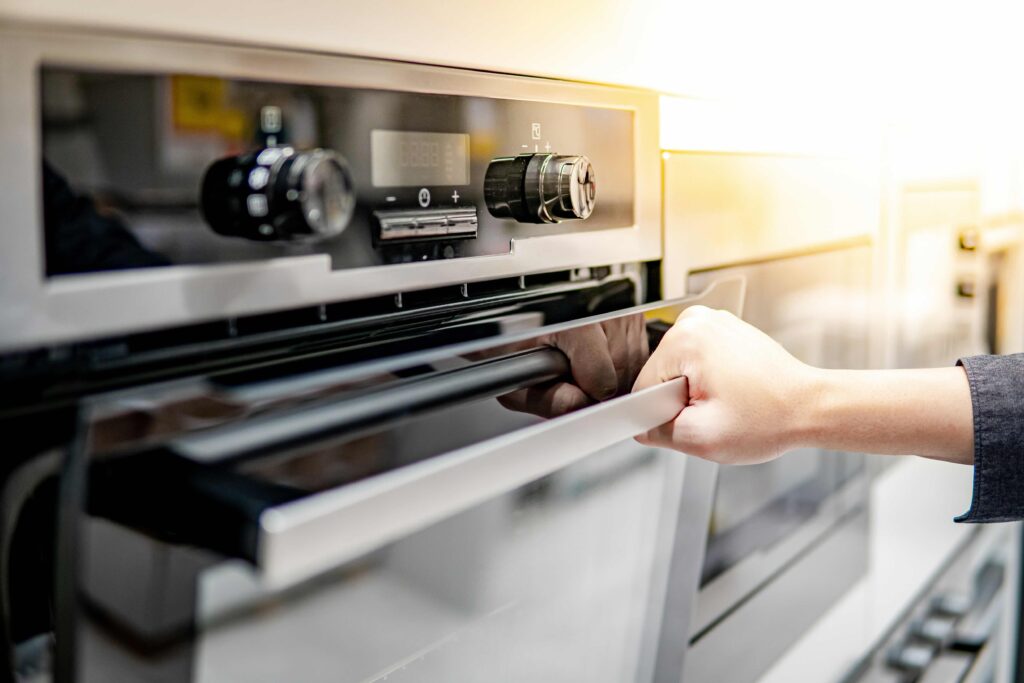
Personal experience and lessons learned about The oven stopped working
I once fixed an oven that stopped working during a family dinner. The problem was a failing igniter that glowed but didn’t draw enough current. I ordered the part, replaced it in 30 minutes, and saved a service call.
Lessons learned
- Start with the simplest checks. Breakers and power sources solve many cases.
- Keep basic tools: a multimeter, screwdriver set, and oven thermometer.
- Document model numbers and manuals. They speed up diagnosis.
- When in doubt, switch power off and call a pro. Safety first.
These real-world steps helped me repeatedly avoid large repair bills and long downtime when the oven stopped working.

Safety tips and best practices when The oven stopped working
Safety matters more than saving time. Follow these simple rules.
- If you smell gas, leave and call emergency services or the gas company immediately.
- Turn power off before touching internal components. Lock out the circuit if possible.
- Use the right replacement parts. Incorrect parts can be dangerous.
- Don’t attempt gas valve or supply repairs yourself unless licensed.
- Keep a fire extinguisher rated for kitchen fires nearby.
- Document repairs and keep receipts for warranty or insurance claims.
When the oven stopped working, taking safe steps avoids injury and costly mistakes.

Frequently Asked Questions of The oven stopped working
Why did the oven stopped working but the clock still shows time?
If the clock stays on but the oven won’t heat, the problem is often the heating element, igniter, or control relay. The clock runs on a low-voltage circuit that can remain powered even when the heating circuit fails.
My oven stopped working after a power outage. What should I do?
Reset the oven by switching off its breaker for 60 seconds, then turn it back on. If it still won’t operate, check error codes and inspect fuses or the control board.
The oven stopped working and I smell gas. What is the safe next step?
Stop using the oven, ventilate the area, leave the home if the smell is strong, and call your gas company or emergency services. Do not switch electrical devices on or off.
Is it safe to use the oven if it heats unevenly after a repair?
Uneven heating suggests a faulty element, sensor, or control issue. It’s risky to rely on it for precise cooking; have it checked to avoid food safety issues and further damage.
How much does it typically cost when the oven stopped working due to a control board?
Control board replacement ranges from roughly $250 to $700 total, including parts and labor. Prices vary by brand and model complexity.
Conclusion
Knowing why The oven stopped working helps you act fast and safely. Start with power and simple checks, then move to elements, sensors, and control diagnostics. If you smell gas, see smoke, or face complex electrical issues, call a licensed pro. Implement preventive care to reduce the chance the oven stopped working again. Try the troubleshooting steps above, share your results, and consider subscribing or commenting below if you want help with a specific model or error code.