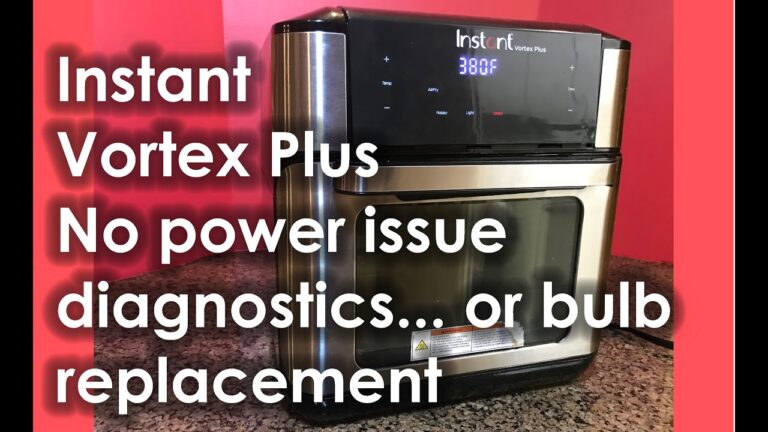
If your oven stopped working but stove works, likely an oven-only part or power circuit has failed.
I’ve fixed many kitchen appliances and I know how frustrating it is when the oven stopped working but stove works. This article explains likely causes, safe troubleshooting steps, common repairs, cost ranges, and when to call a technician. Read on for clear, experience-based guidance so you can diagnose the problem, try sensible fixes, and get back to cooking quickly.
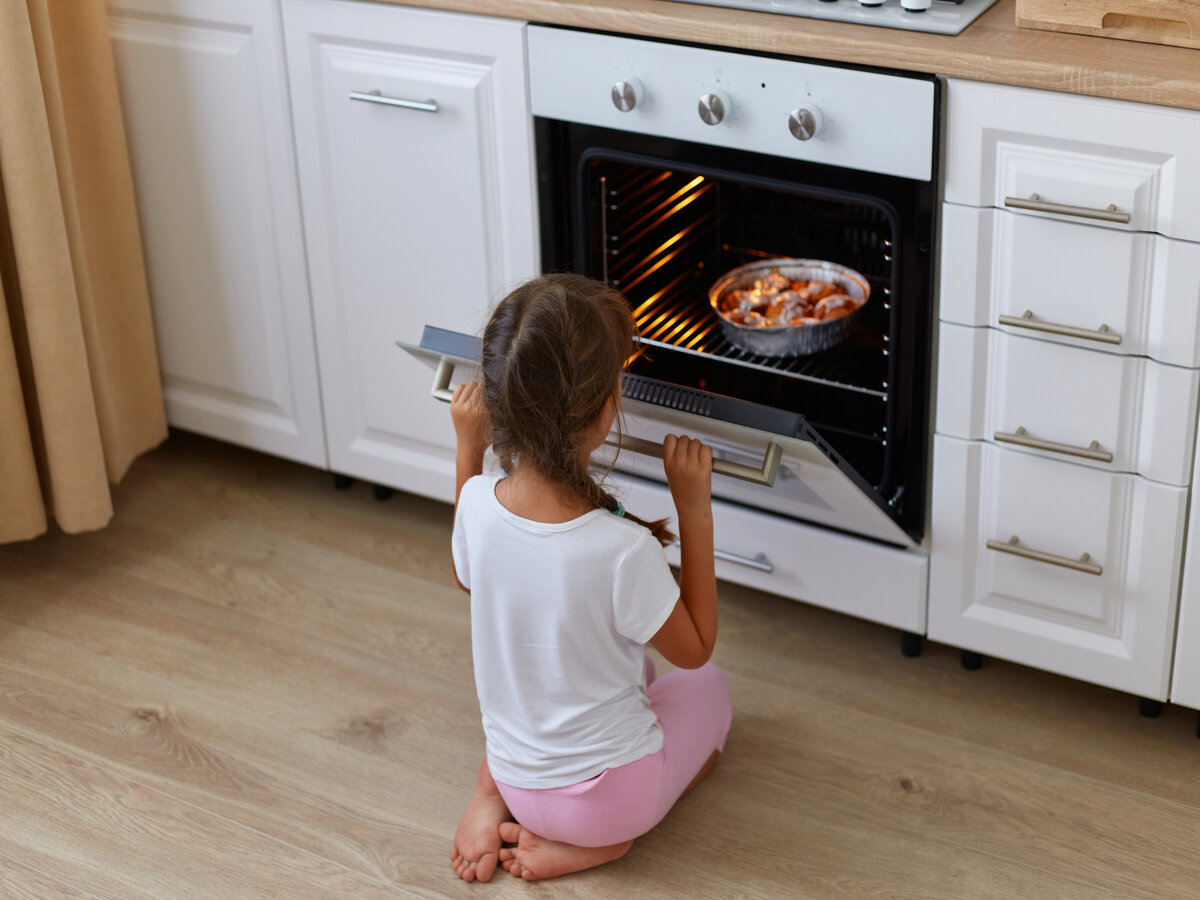
Why the oven stopped working but stove works — common causes
There are several reasons an oven stopped working but stove works. Many ranges share controls and power, yet the oven and stove use different components. Common causes include failed heating elements, blown fuses or thermal cutoffs, faulty oven control boards, bad temperature sensors, and weak power connections.
Other causes are user errors like setting the oven to a delayed start or child lock. Less common issues include gas valve problems on gas ovens and wiring faults in the oven circuit. Knowing these causes helps you pick the right next step and avoid needless expense.
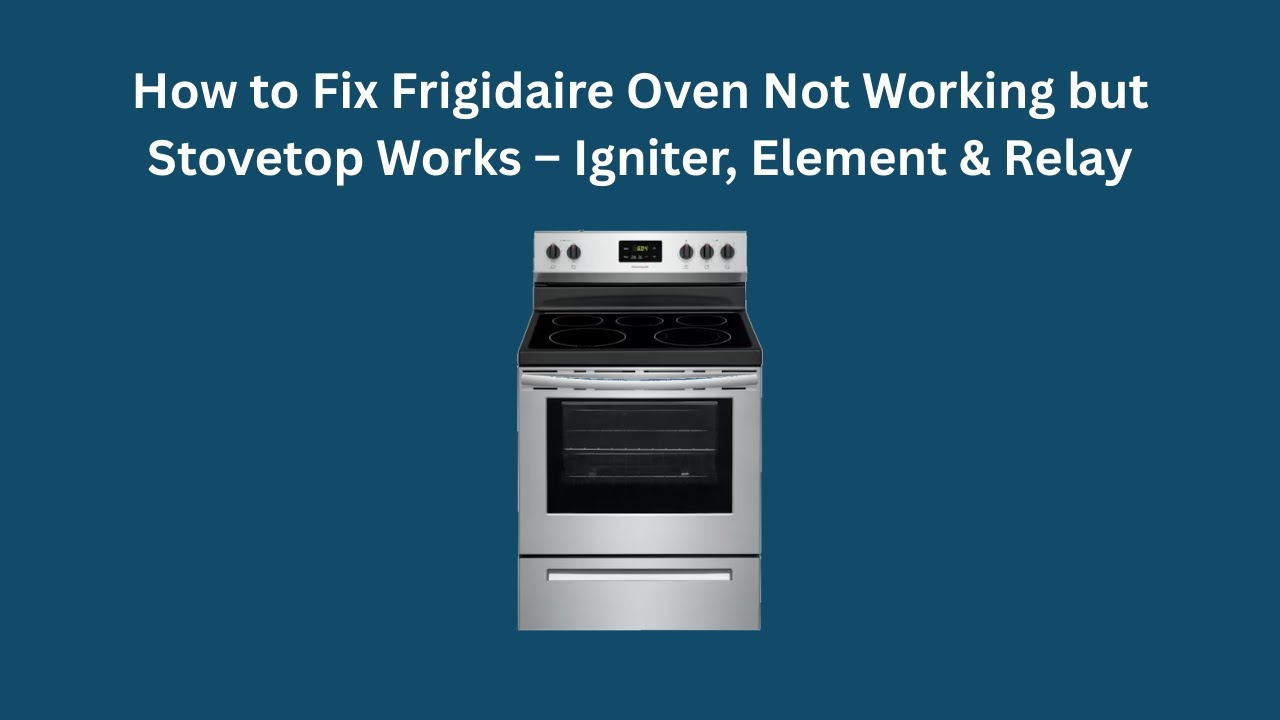
How to troubleshoot safely, step by step
Start with safe, simple checks before calling a pro.
- Turn power off and on
- Unplug the range or switch off its breaker for 30 seconds, then turn it back on. Resetting can clear control board glitches.
- Check oven settings
- Ensure the oven is on bake or broil and not in a delay, demo, or Sabbath mode.
- Inspect the display and error codes
- Look for error codes. Write them down and search your manual for meanings.
- Test the heating element
- For electric ovens, look for breaks or blisters in the bake or broil element. A broken element won’t glow or heat.
- Check fuses and breakers
- Some ranges use two hot legs. A tripped breaker or blown internal fuse can disable the oven while leaving burners powered.
- Confirm gas supply (for gas ovens)
- Make sure the gas valve is open. If the stove burners work, gas supply is likely fine, but the oven’s igniter could be weak.
Stop and get help if you smell gas, see sparks, or are not confident working with electricity. Small checks are safe. Anything involving internal wiring, gas valves, or control board replacement should be handled by a trained technician.

Electric vs gas oven specifics
Electric ovens
- Heating elements: The bake and broil elements can fail. Replace if visibly damaged or if they do not get hot.
- Oven sensor/thermistor: If the oven reads wrong temperatures, it may refuse to heat.
- Control board and relays: Boards can fail. Symptoms include a blank display, error codes, or the oven not responding.
- Power issues: Ranges need a 240V supply. A lost hot leg can power surface burners but not the oven.
Gas ovens
- Igniter: A weak or failing igniter may not light the oven while burners still work.
- Safety valve: If the valve is faulty the oven will not get gas flow even if burners ignite.
- Thermocouple or flame sensor: A bad sensor may shut off the oven operation.
- Pilot and electronic controls: Modern ovens use electronic ignition that can fail.
If your oven stopped working but stove works, identifying whether the issue is an electric component or a gas ignition often points to the right repair.

When to call a professional and safety warnings
Call a professional if you are unsure, uncomfortable, or when the problem involves gas or high-voltage components. Hire a licensed technician for:
- Gas smell or suspected leak
- Internal wiring or control board replacement
- Replacing a weak power leg or fixing circuit wiring
- Complex error codes you cannot clear
Safety tips:
- Always cut power at the breaker before opening panels.
- Do not attempt gas valve repairs without training.
- Use a licensed pro for gas appliances to meet code and keep insurance valid.
I’ve seen people try simple fixes and make things worse. A cautious call to a pro can save time and protect your home.
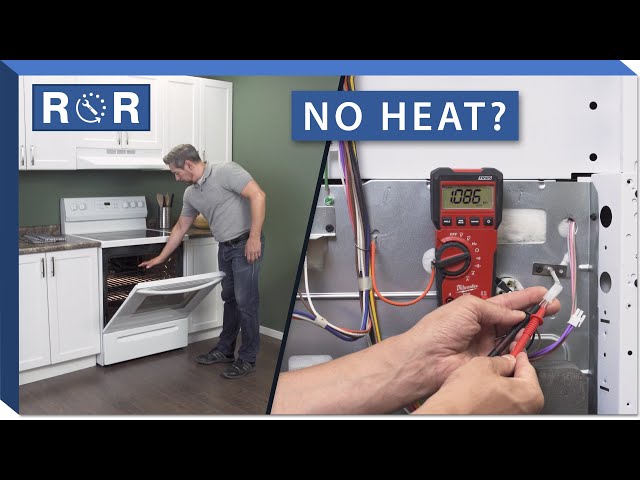
Cost range and typical repairs
Typical repair costs vary by issue and region. Here are ballpark figures I’ve seen:
- Heating element replacement: low cost for parts and labor.
- Oven sensor or igniter replacement: moderate cost.
- Control board replacement: higher cost due to part price and labor.
- Electrical wiring or breaker repairs: depends on severity and electrician rates.
- Gas valve replacement: moderate to high, requires a licensed tech.
Always get a written estimate. Ask for parts, labor, and warranty details. When comparing repair vs replacement, consider the appliance age. If the oven stopped working but stove works and the range is over 10–15 years old, replacement may be more cost-effective.
Preventive maintenance to keep the oven working
Small habits reduce failures and extend life.
- Clean spills and avoid heavy abrasion on elements.
- Use proper cookware and avoid heating empty ovens.
- Check seals and door hinges to keep heat in.
- Test your oven thermometer occasionally for accurate temps.
- Schedule periodic service if your oven is used heavily.
I once skipped cleaning the oven sensor and found odd behavior. A quick clean and sensor check fixed it. Regular care prevents surprises and keeps the oven working while the stove continues serving daily needs.

Frequently Asked Questions of oven stopped working but stove works
Why does my oven not heat but burners work?
Most often the oven element, igniter, or control board has failed while surface burners use different circuits or parts. Check the oven element, then error codes and power supply.
Can one bad breaker affect only the oven?
Yes. Many electric ranges use two hot legs. If one hot leg is out, burners may still work but the oven can lose power or heat poorly.
Is it safe to try replacing the heating element myself?
Yes for many people with basic skills. Turn off power at the breaker first and follow the manual. If unsure, hire a technician.
Why does my gas oven not light though burners work?
The igniter for the oven may be weak or the safety valve may not open. Burners can light with less-demanding ignition systems.
How long will a repair take for a non-working oven?
Simple fixes like element or igniter swaps often take 30–90 minutes. Control board or electrical repairs can take longer and may require parts ordering.
Conclusion
When the oven stopped working but stove works, the problem is often limited to oven-specific parts, sensors, or power legs. Follow safe troubleshooting steps, check simple items first, and call a pro for gas or electrical issues. Regular maintenance can prevent many common failures.
Take action now: try the safe checks above, note any error codes, and decide whether to DIY or schedule a technician. If this helped, share your experience or ask a question below — I’d love to help you troubleshoot further.