A faulty motor, wiring fault, or thermal fuse usually causes an oven fan stopped working.
I’ve spent years troubleshooting household ovens and teaching homeowners simple fixes. This guide explains why an oven fan stopped working, how to diagnose the problem safely, and when to call a pro. Read on for step‑by‑step checks, real examples from my toolbox, cost estimates, and prevention tips so you can get your oven back to even baking fast.

What it means when your oven fan stopped working
When an oven fan stopped working, heat circulation is reduced. That leads to uneven baking, longer cook times, and possible overheating of some components. A nonworking fan can be an electrical, mechanical, or safety trip issue, and the right fix depends on the root cause.
Common causes of oven fan stopped working
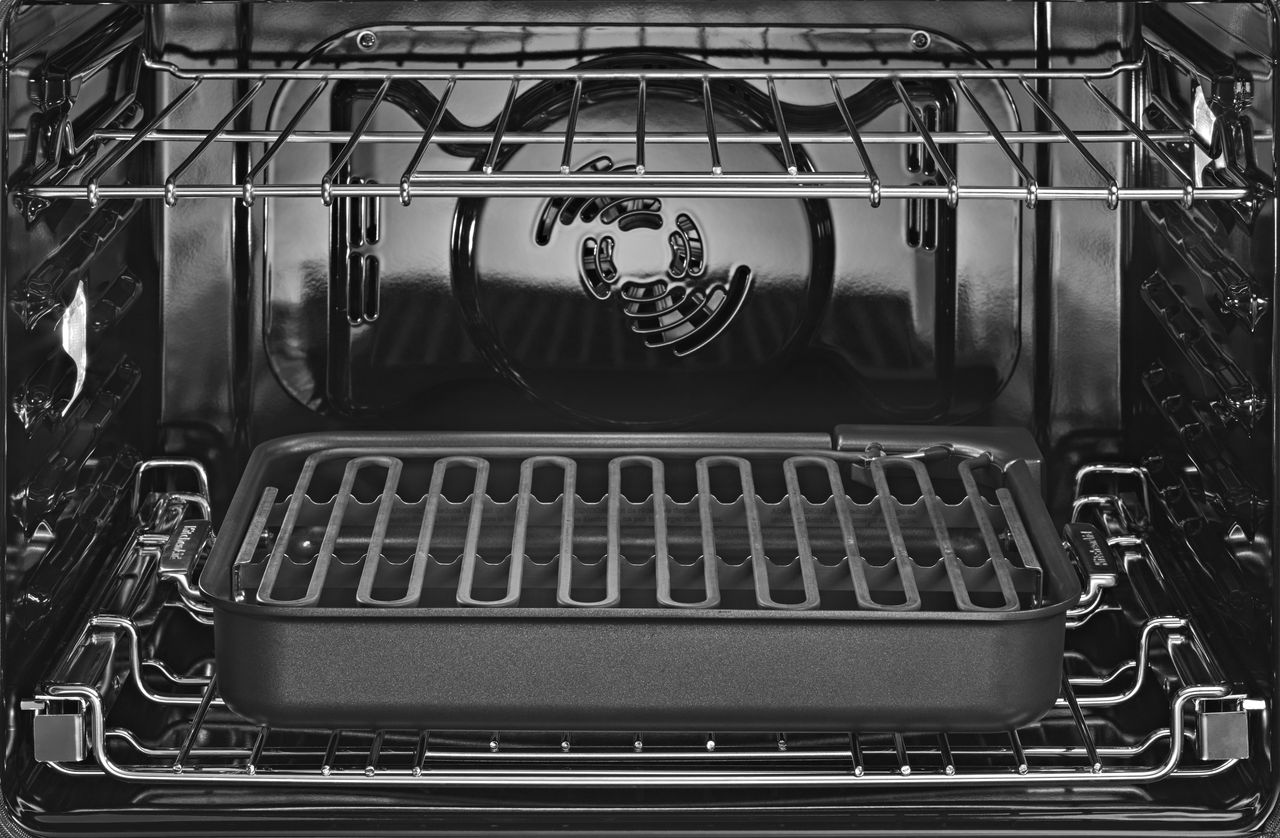
Many things can make an oven fan stopped working. Here are the most frequent causes I see in the field.
- Faulty fan motor — motors wear out or burn out from age or overheating.
- Blown thermal fuse or safety cutout — safety parts cut power when the oven overheats.
- Faulty control board or relay — electronic controls can fail and stop the fan.
- Wiring or connector problems — loose, corroded, or broken wires interrupt power.
- Worn bearings or seized fan blade — grease or grime can seize the shaft.
- Obstruction — dropped cookware or debris can jam the fan blade.
- Faulty thermostat or temperature sensor — incorrect signals may prevent fan activation.
- Broken fan capacitor (in some models) — small parts fail and stop motor start-up.
Common signs that point to the root cause:
- No sound or movement at all suggests electrical or motor failure.
- Humming without spinning often means a bad motor capacitor or seized bearings.
- Fan runs briefly then stops points to thermal cutout trips or overheating.
- Intermittent operation can be wiring, connectors, or control board faults.
Why did my oven fan stop suddenly?
A sudden stop typically means an electrical event, like a blown fuse, tripped safety, or motor burnout. Check for tripped breakers and visible damage before deeper troubleshooting.
Can a clogged fan make an oven fan stop working?
Yes. Heavy grease or a foreign object can jam the blade and overload the motor, causing it to stop or burn out.
Is it normal for fans to slow with age or use?
Yes. Bearings and motors degrade. A slow spin that becomes slower over weeks often precedes a total failure.

How to troubleshoot when an oven fan stopped working — step by step
Safety first: always cut power at the breaker before opening the oven. If you are not comfortable with electrical work, call a technician.
- Confirm the symptom
- Listen for the fan during a bake cycle.
- Note whether the fan is totally silent, humming, or intermittent.
- Check power and settings
- Ensure the oven is on and the convection or fan mode is selected.
- Reset the circuit breaker and test other oven functions.
- Inspect for visible obstructions
* Turn power off.
- Look for pans, debris, or sagging insulation touching the fan blade.
- Test the fan motor (basic)
- With power off, rotate the blade by hand. It should spin freely with slight resistance.
- If stiff or stuck, motor bearings may be bad.
- Check wiring and connectors
- Inspect wiring for burned insulation, loose connectors, or corroded terminals.
- Tighten or reseat connectors after power is off.
- Inspect safety components
- Locate the thermal fuse or limit switch and visually inspect for damage.
- Some models allow a continuity test with a multimeter.
- Test the control board and capacitor
- If you can and are comfortable, test the fan capacitor for correct microfarad reading.
- Control boards can fail; look for burn marks or swollen capacitors.
- Replace suspect parts
- Replace burned fuses, seized motors, or faulty capacitors with OEM or compatible parts.
- Reassemble and test operation.
- When in doubt, stop and call a pro
- If testing requires live voltage checks or complex board diagnostics, hire a technician.
Practical tip from experience: keep a camera handy. Take photos of wiring and screws before disassembly. That saves time and avoids mistakes.

Parts that commonly fail, repair options, and cost guidance
Knowing the parts helps decide repair vs. replace.
-
Fan motor
- Symptoms: no spin, humming.
- Typical cost: $50 to $200 plus labor.
- Replace if bearings are noisy or motor won’t spin.
-
Thermal fuse or safety cutout
- Symptoms: fan works briefly then stops, or oven won’t heat.
- Typical cost: $10 to $60.
- Replace if continuity test fails.
-
Control board or relay
- Symptoms: intermittent or no fan, other electrical oddities.
- Typical cost: $100 to $400.
- Replace when diagnostics point to control failure.
-
Capacitor (if used)
- Symptoms: motor hums but won't start.
- Typical cost: $15 to $60.
-
Wiring and connectors
- Symptoms: intermittent loss or visible burn marks.
- Typical cost: small parts and labor.
When to replace the oven
- Age over 12–15 years with multiple failing components.
- Repair cost approaches half the oven’s value.
- Frequent breakdowns despite repairs.
Personal note: I once replaced a convection fan motor in a five-year-old oven. The motor cost $120 and one hour of labor. After repair, baking times returned to normal. The owner avoided a full replacement and was happy with the result.
Preventive maintenance to avoid an oven fan stopped working
Small habits help extend fan life.
- Keep the oven clean
- Remove spills and heavy grease to prevent buildup on the fan area.
- Avoid dropping pans behind the fan
- Use caution when inserting or removing large roasting pans.
- Run regular self-clean cycles carefully
- Follow the manual; extreme heat can stress fan components.
- Inspect annually
- Check wiring and fan blade for wear or debris.
- Use the oven as intended
- Avoid homemade modifications that change airflow or add weight to racks.
Simple routine: wipe interior monthly and visually inspect the fan and vent every six months. That small effort can prevent an oven fan stopped working unexpectedly.

When to call a professional and safety tips
Call a pro if any of these apply:
- You are uncomfortable with electrical work or live testing.
- The oven is under warranty.
- The fault is likely the control board or involves live voltage checks.
- You see smoke, burning smell, or melting wires.
Safety tips:
- Always disconnect power at the breaker before repairs.
- Do not run the oven with a seized fan; it can overheat electronics.
- Use proper replacement parts rated for your model.
- Keep service records and receipts for warranty and resale value.
If you’re not sure, a certified service technician can diagnose and give a fixed-price estimate. That avoids surprise costs and ensures safe repair.

Frequently Asked Questions of oven fan stopped working
Why is my oven fan not turning on but the oven heats?
The fan and heating elements may be on separate circuits. The motor, capacitor, or control relay could be faulty while the heater still works.
Can I keep using the oven if the convection fan stopped working?
You can use the oven, but expect uneven baking and longer cook times. Avoid high-load cooking until the fan is fixed to prevent stress on oven parts.
How long does a fan motor usually last?
A typical oven fan motor lasts 8 to 15 years, depending on use, cleanliness, and heat exposure. Heavy or dirty use shortens that lifespan.
Will cleaning the fan fix the problem?
Cleaning can fix issues caused by grease or debris blocking the blade. If the motor or electrical parts are damaged, cleaning won’t restore operation.
Is fixing the fan something I can do myself?
Basic checks like clearing obstructions or resetting breakers are DIY-friendly. Electrical tests or parts replacement require safety knowledge; call a pro if you’re unsure.
Conclusion
If your oven fan stopped working, you now have clear steps to diagnose the issue, basic fixes you can try safely, and guidance on when to call a technician. Start with simple checks: settings, power, and obstructions. If the fault is electrical or the motor is seized, replacing the part usually restores reliable operation. Take action early to avoid uneven cooking and costly damage. If this guide helped, try the basic checks and share your results, subscribe for more appliance tips, or leave a comment with your oven model and symptoms—I’ll help where I can.