
An electric oven stopped working usually signals a power, thermostat, or heating element fault.
I’ve spent over a decade repairing and diagnosing kitchen appliances, so I know how frustrating it is when your electric oven stopped working—especially before a big meal. This guide walks you through clear causes, safe troubleshooting steps, realistic DIY fixes, when to call a pro, and tips to prevent future breakdowns. Read on for practical help you can use today.

Why an electric oven stopped working: common causes
When an electric oven stopped working, the cause is usually one of a few predictable issues. I break these down so you can quickly spot likely problems.
- Power supply issues — tripped breakers, blown fuses, or loose plugs can cut power to the oven.
- Control board or electronic failure — modern ovens use digital controls that can fail or lock up.
- Heating element damage — visible breaks or burned spots make elements stop producing heat.
- Thermostat or temperature sensor failure — oven won’t heat if it can’t detect temperature.
- Thermal fuse or safety cutoff — safety parts can blow when the oven overheats.
- Door switch or latch problems — some models won’t heat if the door sensor fails.
- Wiring or terminal faults — loose or corroded connections cause intermittent or no power.
I’ve seen each of these in the field many times. The most common reason I find is a simple power issue or a failed heating element. If your electric oven stopped working suddenly, start with the basics and move to parts tests.
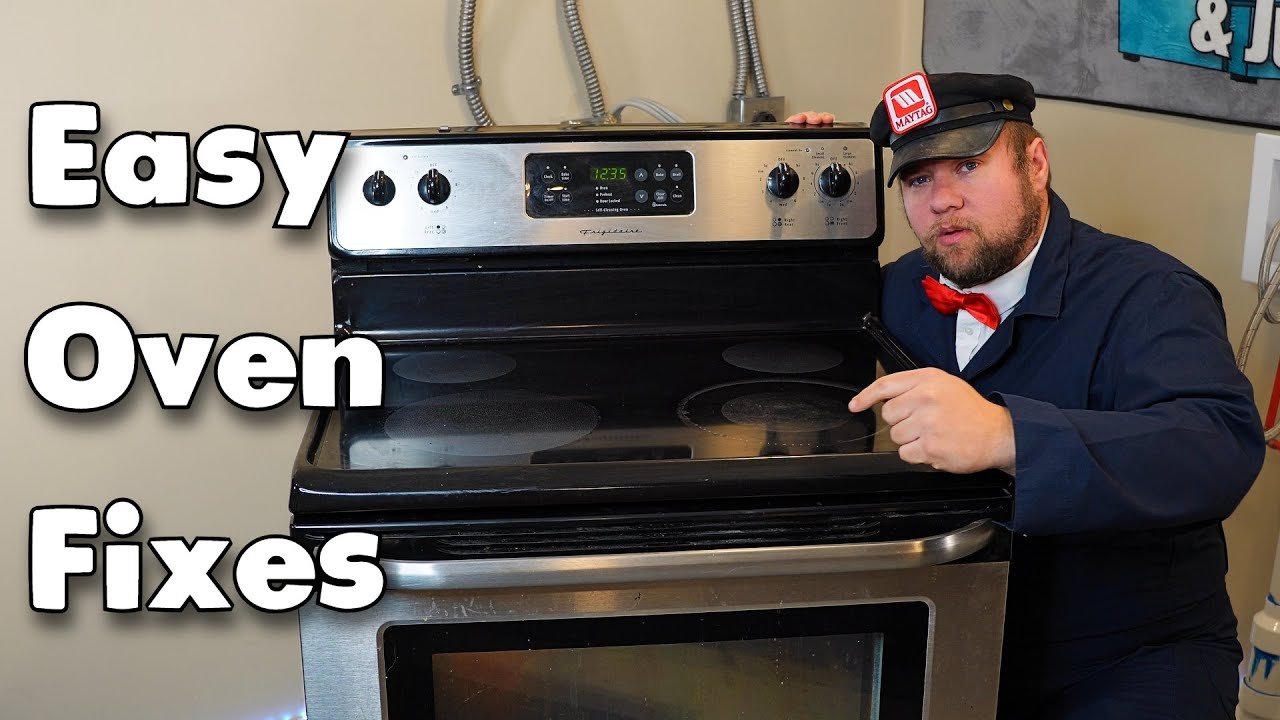
Step-by-step troubleshooting when your electric oven stopped working
Follow these safe, logical steps. Stop and call a pro if you see damaged wiring, burning smells, or if you feel unsure.
- Check power and breakers
- Look at your home’s breaker panel. Flip the oven circuit off and back on.
- Confirm the oven’s plug is secure in the outlet.
- Test other kitchen circuits to rule out a wider outage.
- Inspect the control panel
- If the display is blank, the oven may lack power or the control board may be dead.
- If the panel shows error codes, note them and consult your manual.
- Test the heating elements
- For visible damage, a broken or blistered element needs replacement.
- Use a multimeter to test continuity on bake and broil elements; no continuity means a bad element.
- Check the temperature sensor and thermostat
- A faulty sensor reads wrong temperatures and stops heating.
- Test sensor resistance at room temp; check your manual for expected values.
- Look at the thermal fuse and safety cutoffs
- If the oven was overheating, fuses can blow. Replace only after confirming cause.
- A blown thermal fuse often means the oven won’t power up.
- Inspect wiring and connections
- Turn power off before checking wiring. Tighten loose terminal screws and look for burns.
- Corroded or melted wires need professional repair.
- Try a simple reset
- Some ovens reset by turning power off for a minute. This clears electronic glitches.
Personal tip: I always take photos of wiring before disconnecting anything. Photos help during reassembly and when talking with support.

Parts that commonly fail when an electric oven stopped working
Knowing which parts fail most often helps you decide whether to DIY or call a technician.
- Heating elements — Bake and broil elements wear out and are easy to replace.
- Control board — Often pricey; symptoms include blank displays or erratic behavior.
- Temperature sensor or thermostat — Causes poor heat control or no heat.
- Thermal fuse or thermostat cutoff — Replaces safety components after overheating.
- Relays and switches — Door switches or relay failures can interrupt power flow.
- Wiring harness — Heat can damage wiring near elements and cause open circuits.
When I replace parts, I source OEM or high-quality replacements. Cheap parts can fail again fast.

DIY fixes vs. when to call a professional
If your electric oven stopped working, decide quickly whether the fix is safe for DIY.
Good DIY jobs
- Resetting breakers and power cycling the oven.
- Replacing visible, accessible heating elements.
- Cleaning sensor connections and tightening screws.
- Reading and clearing error codes if your manual guides you.
Call a professional if
- You smell burning or see smoke or melted wiring.
- The control board needs replacement or soldering.
- You must access internal wiring or high-voltage components.
- Replacing hidden thermostats or safety cutoffs.
Safety rule: always turn power off at the breaker before working inside the oven. If you are not comfortable with electrical work, get a licensed technician.

Preventive maintenance so your electric oven doesn’t stop working again
Simple habits keep ovens working longer and reduce repair costs.
- Clean spills promptly — baked-on food causes hotspots and stress on parts.
- Inspect elements and wiring yearly — catch wear before failure.
- Use proper cookware — warped pans can block air flow and overheat parts.
- Avoid self-clean cycles if your oven overheats often — use gentle cleaning instead.
- Schedule a yearly service check if you cook heavily.
From my experience, a quick yearly inspection saves time and money. I replace small parts early to prevent bigger failures.

Costs, replacement, and whether to repair when your electric oven stopped working
Cost depends on part and labor. Here’s a general guide to help with decisions.
- Heating element replacement — usually lower cost; parts and labor are reasonable.
- Sensor or thermostat replacement — mid-range cost; often worth repairing.
- Control board replacement — higher cost; evaluate oven age before repairing.
- Full oven replacement — consider if repair cost exceeds 50% of a new unit.
Decision tips
- If the oven is older than 10–15 years and the control board or multiple parts fail, consider replacement.
- If a single, inexpensive part failed, repairing is usually the smart choice.
I once fixed a neighbor’s oven for a modest parts fee; the client saved hundreds compared to replacing the appliance.

Common questions people ask about an electric oven stopped working
Why does my electric oven light come on but it won’t heat?
If the light comes on but the oven won’t heat, the heating element, temperature sensor, or relay is likely faulty. A continuity test with a multimeter can confirm a bad element.
What does it mean if my oven shows an error code?
An error code points to a specific component or sensor issue. Check your manual for the code meaning and follow recommended steps, or record the code for a technician.
Can I replace a heating element myself?
Yes, many heating element swaps are straightforward and safe with the power off. Follow the manual, wear gloves, and keep photos for reassembly.
Why did my oven stop working after a power surge?
Power surges can damage the control board or electronics. If other appliances were affected, inspect or replace control electronics.
Is it safe to keep using an oven that heats unevenly?
No. Uneven heating can be a sign of a failing element or sensor and may cause food safety issues. Have it checked before further use.
Frequently Asked Questions of electric oven stopped working
What should I check first when my electric oven stopped working?
Start with the circuit breaker, the oven’s plug, and the control display. These quick checks often reveal simple power issues.
How do I test if the heating element is bad?
Turn power off, remove the element, and use a multimeter to test for continuity. No continuity means the element is bad.
Can food spills make my electric oven stopped working?
Severe spills can cause sensors to short or drip onto elements, which may lead to safety cutoffs or element failure. Clean spills promptly.
How long does a professional repair usually take?
Most repairs, like replacing an element or sensor, take 30–90 minutes. Complex board repairs may take longer or require ordered parts.
Will unplugging the oven fix the problem?
Power cycling can reset electronics and clear minor errors. It helps if the issue is a control board glitch.
Can I use the oven if the display is blank?
If the display is blank but other functions work, it may be a control board or display issue. Use caution and get it inspected to avoid hidden faults.
How much does replacing a control board cost?
Control board costs vary widely. Expect higher costs for newer models; weigh repair cost against the oven’s age.
Why does the oven trip the breaker when I turn it on?
A short circuit or failed element often causes breakers to trip. Stop using the oven and call a technician to inspect wiring.
Is there a reset button on electric ovens?
Some models have a reset or diagnostic mode. Check your manual for model-specific reset steps.
What are warning signs that my oven is about to fail?
Flickering displays, odd noises, burning smells, uneven cooking, and frequent error codes are red flags to act on early.
Conclusion
You now have a clear roadmap for what to do when an electric oven stopped working. Start with power checks and simple fixes, test key parts like elements and sensors, and know when to call a pro. Regular care and timely repairs save money and prevent last-minute cooking disasters. Try the troubleshooting steps you’re comfortable with, schedule a service if needed, and leave a comment with your oven model and symptoms if you want more targeted advice.