You can easily blend food without a blender using knives, mashers, a mortar and pestle, or a food mill.
I’ve spent years testing kitchen hacks to make smooth sauces, soups, and baby food without a blender. This guide on how to blend food without a blender explains simple tools, step-by-step methods, and real-world tips I use in my kitchen. Read on to learn practical, reliable ways to get creamy results when a blender isn’t available, and feel confident recreating recipes with basic gear.

Why you might choose to blend food without a blender
Blending without a blender is useful when camping, during power outages, in small kitchens, or to get a preferred texture. The methods often give more control and can preserve small chunks or rustic texture that a blender over-processes.
Benefits include less cleanup, lower noise, and better nutrient retention in some cases. Limitations are longer prep time and more manual effort for very smooth textures. Knowing multiple techniques helps you pick the right tool for the job.

Tools and simple substitutes to blend food without a blender
Below are reliable tools you can use to blend food without a blender. Each tool works best for specific foods and textures.
- Mortar and pestle — Great for herbs, spices, garlic, and small batches of pesto or salsa.
- Chef’s knife and cutting board — Fine chopping and smashing create purées for sauces and salsas.
- Potato masher — Works well for beans, cooked vegetables, and soft fruits.
- Ricer or food mill — Ideal for silky mashed potatoes and vegetable purees.
- Box grater — Use the fine side for soft cooked veggies or cheese to speed breakdown.
- Mesh sieve and spoon — Push soft foods through for smooth purées and baby food.
- Jar with a tight lid — Shake softer fruits with liquid to make quick smoothies or dressings.
- Fork and whisk — Emulsify dressings, whip soft fruit, or mash small amounts.
Choose tools based on the food’s firmness and the smoothness you need. For example, a ricer is better than a masher for ultra-smooth potatoes.

Practical methods and step-by-step recipes
This section shows clear steps for common tasks when learning how to blend food without a blender.
How to make hummus without a blender
- Drain and rinse 2 cups canned chickpeas.
- Reserve some liquid, mash chickpeas with a potato masher until mostly smooth.
- Add 2 tablespoons tahini, 2 tablespoons lemon juice, 1 clove garlic (minced), 2 tablespoons olive oil, and a splash of reserved liquid.
- Whisk or stir vigorously; use mortar and pestle for garlic and salt first to release oils.
- Adjust texture with more liquid or olive oil.
How to make pesto without a blender
- Stack and roll basil leaves, then thinly slice (chiffonade).
- Finely chop garlic and pine nuts, then mix with basil and cheese on a cutting board while adding olive oil gradually.
- Or pound ingredients in a mortar and pestle until you reach desired consistency.
How to make a smoothie without a blender (jar method)
- Chop very soft fruit into small pieces. Use ripe bananas, berries, or mango.
- Add fruit and 1/2 cup liquid (milk, yogurt, or juice) into a clean jar with a tight lid.
- Seal and shake hard for 1–2 minutes. Open and mash with a fork or hand masher, then shake again.
- Strain through a sieve for extra smoothness if desired.
How to puree soups and sauces without a blender
- Cook vegetables until very soft.
- Use a food mill or pass cooked vegetables through a fine mesh sieve, pressing with the back of a spoon.
- Reheat and whisk in liquid or cream to smooth.
How to make baby food without a blender
- Steam fruit or vegetables until soft.
- Mash thoroughly with a fork, ricer, or potato masher.
- Add breast milk, formula, or water to reach desired texture.
Techniques, texture control, and tips I’ve learned
Small changes make big texture differences when you blend food without a blender.
- Cook until very soft — softer foods mash finer with simple tools.
- Cut small pieces first — smaller pieces yield a smoother mash.
- Use warm ingredients — warmth helps oils and starches break down.
- Add liquid gradually — prevents thin, runny results and helps control consistency.
- Work in batches — easier to achieve uniform texture in small amounts.
- Use a bench scraper — it helps gather chopped bits for faster processing.
From my experience, mashing chickpeas directly after warming gives creamier hummus. A common mistake is rushing the chopping stage; finer initial cuts save time and manual effort later.

Safety, hygiene, and preservation
Working without a blender still requires food safety steps.
- Clean tools well — bacteria hide in crevices of mortars, sieves, and mashers.
- Keep hot foods hot and cool foods refrigerated quickly to avoid spoilage.
- Use sterile jars for baby food and store in small portions.
- Label and date refrigerated or frozen batches to track freshness.

Troubleshooting common problems
If your final texture is too coarse, try one of these fixes.
- Too coarse — re-cook longer, add more liquid, or run through a sieve or ricer.
- Too thin — reduce added liquid by simmering gently to thicken.
- Gritty or fibrous — strain and discard larger fibers or blend longer with a masher.
- Strong flavors not balanced — add acid (lemon, vinegar) or fat (oil, butter) to smooth taste.
Quick, common user questions (PAA-style) — concise answers
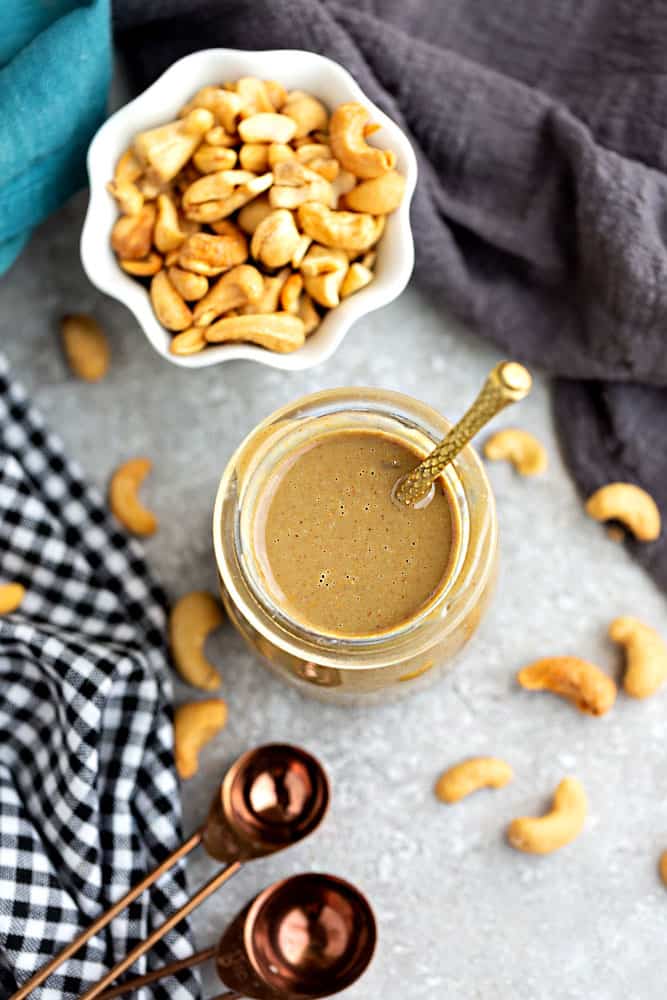
Can I make nut butter without a blender?
Yes. Use a food processor if you have one, or grind in small batches with a mortar and pestle. It takes time and elbow grease, but repeated pounding and stirring will release oils.
How can I make a smooth soup without electric tools?
Cook vegetables very soft, then push through a fine mesh sieve or food mill. Stir and whisk to combine until smooth.
Is a food processor the same as blending without a blender?
A food processor is an appliance alternative and often can replace a blender. It may not achieve the same silky textures for liquids but works well for chunky purees and nut butters.
Frequently Asked Questions of how to blend food without a blender
How do I puree vegetables without a blender?
Cook vegetables until very soft, then mash with a potato masher or push through a food mill or fine sieve. Add liquid in small amounts to reach desired smoothness.
Can you make smoothies without a blender?
Yes. Chop soft fruits finely, add liquid in a jar, shake vigorously, and mash with a fork or masher. Strain for extra smoothness if needed.
What is the easiest tool to use for pureeing?
A food mill or ricer gives the quickest, smoothest results without electricity for cooked foods. A potato masher is the simplest for coarser textures.
How long will homemade purees last in the fridge?
Most purees keep 3–4 days refrigerated in airtight containers. For baby food, freeze in small portions for up to 1–3 months depending on the ingredient.
Can I make nut butter by hand?
Yes, but it is labor-intensive. Use a sturdy mortar and pestle or grind repeatedly in a food processor or coffee grinder for small batches.
Conclusion
Blending food without a blender is practical, versatile, and often rewarding. You can achieve smooth hummus, pesto, soups, baby food, and more using simple tools like a mortar and pestle, ricer, masher, or sieve. Start with soft, well-cooked ingredients, work in small batches, and use warm temperatures and gradual liquids for the best texture. Try one method today and adapt it to your favorite recipes — you may discover new flavors and textures you prefer. Leave a comment below to share your best blender-free technique or questions, and consider subscribing for more hands-on kitchen tips.