The best waffle maker for home use should heat evenly, release cleanly, and match your family’s favorite waffle style.
Saturday morning arrives, but the kitchen feels more like a race track than a calm café. Batter spills, waffles stick, and the first batch comes out pale while the next turns too dark. A good waffle maker solves that small breakfast headache. I compared cooking style, power, controls, plate size, cleanup, and home-friendly value across these models. This guide helps you choose the best waffle maker for home use, whether you want Belgian squares, crisp bubble waffles, heart shapes, waffle sticks, cones, or a simple camping option.
Commercial Bubble Waffle Maker
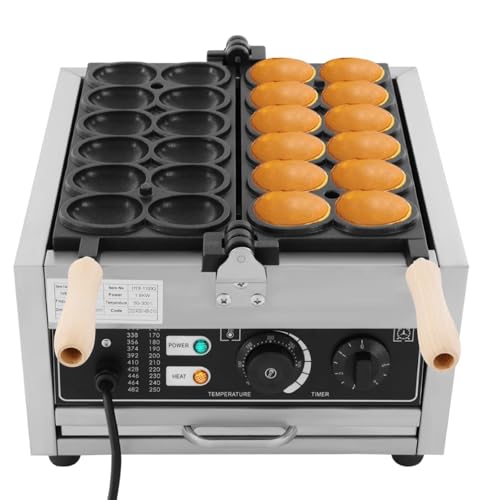
This stainless steel bubble waffle maker brings a fun street-food style to the home kitchen. Its 1800-watt design is made for egg waffles with round pockets and a light, airy bite. The 12-hole layout gives the waffles their familiar bubble shape, which makes them easy to tear apart or serve as a dessert base. The stainless steel body also gives it a more commercial feel than a small plastic appliance.
I like the adjustable temperature and timer because bubble waffles need close control. A lower setting can keep the inside soft, while a higher setting can add a deeper golden crust. The non-stick cooking surface should reduce batter loss, though I would still use a light coat of suitable oil before the first batch. This is a strong pick for families, dessert lovers, and anyone seeking the best waffle maker for home use with a more creative shape.
Pros:
- High 1800-watt power can shorten preheating time
- 12-hole bubble layout creates a playful waffle shape
- Adjustable heat supports soft or crisp results
- Built-in timer helps prevent forgotten batches
- Stainless steel body feels suited to frequent use
- Non-stick surface can make release easier
Cons:
- Bubble waffles may not suit people who want classic square waffles
- Commercial-style construction may take more counter space
- Extra surface grooves can require careful cleaning
Dyna-Living Rotating Belgian Waffle Maker

The Dyna-Living model uses a 180-degree rotating design, a useful feature for thick Belgian batter. When you rotate the plates, the batter can spread across the cooking area more evenly. That helps create a fuller waffle instead of a thin center with empty edges. Its 1200-watt heating system is a sensible middle ground for home breakfast cooking.
This waffle iron is aimed at people who want a café-style result without buying a very complex appliance. The rotating handle can also make it easier to flip the waffle without lifting the hot plates. Since Belgian waffles have deep pockets, they pair well with fruit, yogurt, syrup, whipped cream, or fried chicken. I would consider this one of the best waffle maker for home use choices for cooks who value even spreading and thick waffles.
Pros:
- 180-degree rotation helps spread thick batter
- Belgian-style pockets hold syrup and toppings well
- 1200 watts suits regular home cooking
- Flip action can improve browning on both sides
- Useful for breakfast, brunch, and dessert recipes
- Professional look adds a café feel to the kitchen
Cons:
- Rotating units need extra room around the handle
- Deep plates may take longer to wipe clean
- It may not be ideal for compact kitchens
POPFOODEX Heart Waffle Maker

The POPFOODEX heart waffle maker turns an ordinary breakfast into something that feels special. Its heart-shaped plate is a natural fit for birthdays, Valentine’s Day, brunch, and family meals. The stated temperature range of 122 to 572 degrees Fahrenheit gives the cook broad control over browning. A timer adds another layer of help when several dishes compete for attention.
Independent temperature control is especially useful when recipes change. A light batter may need less heat, while a thicker Belgian-style mix may need more time and warmth. The non-stick surface should help the heart waffles release with less tearing, although I recommend avoiding metal tools. This is a charming option for anyone who wants the best waffle maker for home use to feel personal rather than plain.
Pros:
- Heart shape makes meals more festive
- Wide temperature range supports different recipes
- Timer helps create repeatable batches
- Non-stick cooking surface supports easier release
- Good fit for children’s breakfasts and parties
- Independent heat control offers cooking flexibility
Cons:
- Heart waffles may be less useful for everyday meal prep
- Small details in the plate design need careful cleaning
- Commercial styling may be larger than a basic home iron
Hehinton Commercial Belgian Waffle Maker

The Hehinton Belgian waffle maker is built for cooks who want a broad cooking area and serious output. It lists 2300 watts and an 11.4-by-11.4-inch cooking area, which can be helpful when serving several people. Dual temperature control lets you adjust the cooking process with more care than a single on-and-off switch. Its non-stick plates are designed for thick Belgian waffles with deep pockets.
This model makes the most sense for a large family, frequent host, food truck owner, or serious brunch fan. High power may help the plates recover heat between batches, but it can also demand more attention during the first few uses. I would start at a moderate setting and adjust after checking the first waffle. For high-volume cooking, this may be the best waffle maker for home use among the larger commercial-style options.
Pros:
- 2300 watts provide strong heating capacity
- Large 11.4-inch cooking area supports generous waffles
- Dual temperature control improves cooking control
- Non-stick plates can simplify waffle removal
- Suitable for family brunch and repeated batches
- Commercial design may handle frequent use well
Cons:
- Large footprint needs a strong, open counter
- High power may brown waffles quickly
- Commercial size can be excessive for one or two people
POPFOODEX Heart Waffle Machine

This second POPFOODEX heart model offers the same appealing shape with a commercial waffle machine format. Its stated temperature range runs from 122 to 572 degrees Fahrenheit, and the 1200-watt system is suitable for controlled home batches. The heart design gives each serving a neat look without requiring extra cutting or shaping. It can turn pancakes, dessert waffles, and brunch plates into a small event.
I see this version as a practical choice for people who want a dedicated heart waffle appliance. The timer can help with consistency, while the independent temperature setting lets you fine-tune crispness. As with any waffle iron, I would avoid overfilling because batter expands into the plate grooves. If style matters as much as texture, this model deserves attention in a search for the best waffle maker for home use.
Pros:
- Distinct heart shape adds visual appeal
- Adjustable temperature supports crisp or tender waffles
- Timer can reduce guesswork during cooking
- 1200-watt output fits regular home use
- Non-stick surface may reduce sticking
- Useful for parties, gifts, and family breakfasts
Cons:
- Dedicated heart plates offer less shape variety
- Commercial construction may need more storage space
- Deep edges can collect baked batter if overfilled
Commercial Four-Slice Belgian Waffle Maker

A four-slice waffle maker can make breakfast much easier for a busy household. This model uses 1600 watts and creates four square Belgian-style sections in one cooking cycle. That means fewer pauses between servings and less time spent standing at the counter. The square shape also works well with syrup, fruit, nuts, and savory toppings.
The four-slice format is valuable when everyone wants a hot waffle at the same time. It may also help a host prepare a batch before guests sit down. I would measure the available counter and cabinet space first, since multi-slice irons are wider than small round models. For families that put output first, this is a strong candidate for the best waffle maker for home use.
Pros:
- Four-slice design helps serve several people
- 1600 watts support steady home cooking
- Belgian pockets hold syrup and toppings
- Square sections are easy to portion and serve
- Useful for busy mornings and family brunches
- Can reduce the number of cooking cycles
Cons:
- Wide body needs more counter and storage room
- Four sections may be too much for small households
- Large plates can take longer to clean by hand
Commercial Waffle Cone and Bowl Maker

This 1750-watt appliance serves a different purpose from a standard waffle iron. Its large 10-inch pan is designed for thin waffle cones, egg-roll waffles, and edible bowls. That makes it useful for ice cream parties, dessert stations, and creative home baking. The non-stick surface can help when you need to lift and shape a warm wafer before it firms up.
Timing matters more with cones than with thick breakfast waffles. A wafer must be flexible enough to roll but firm enough to hold its shape. I recommend preparing the cone roller or bowl mold before switching on the machine. This is not the best waffle maker for home use if you only want classic breakfast waffles, but it is an excellent specialty tool for dessert makers.
Pros:
- Supports cones, bowls, and thin egg-roll waffles
- Large 10-inch cooking pan gives shaping room
- 1750 watts provide strong heat for thin batter
- Non-stick surface can aid wafer release
- Great for ice cream parties and dessert bars
- Encourages creative homemade presentation
Cons:
- Specialty design does not make thick breakfast waffles
- Shaping requires speed and practice
- Large pan may need careful storage
7-Inch Cast Iron Waffle Maker

The 7-inch cast iron waffle maker is made for people who cook without a plug. It works on a gas stove or camping grill, so it can travel to a campsite, cabin, or outdoor kitchen. Cast iron holds heat well and can create a deep, classic crust when preheated correctly. It also avoids the electronics found in countertop waffle machines.
This style requires a little more skill than an electric model. I would preheat both sides, use a moderate flame, and season the iron as directed by the manufacturer. Cast iron needs to stay dry after washing to help prevent rust. For campers and cooks who value durability over speed, this may be the best waffle maker for home use and outdoor use in one compact tool.
Pros:
- Works on gas stoves and camping grills
- No electrical outlet is needed
- Cast iron retains heat for strong browning
- Useful for camping, cabins, and travel
- Simple design has fewer parts to fail
- Can last for years with proper care
Cons:
- Requires manual heat and timing control
- Cast iron is heavy for its small size
- Needs drying and seasoning care to prevent rust
LARIDEN Commercial Waffle Stick Maker
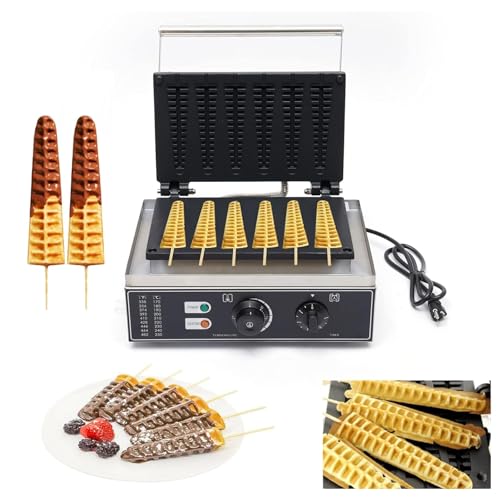
The LARIDEN waffle stick maker produces individual sticks rather than one large round or square waffle. This shape is easy to hold, dip, pack in a lunch box, or serve at a snack table. Its non-stick design aims to make removal simple, while time and temperature controls help the cook repeat the same result. The format also works well with chocolate, powdered sugar, fruit dips, and savory sauces.
Waffle sticks can be more appealing to children because they look like a handheld treat. They can also help with portion control, since each stick is naturally smaller than a large Belgian waffle. I would leave enough space around the appliance because commercial-style waffle makers can become quite warm during use. For snack lovers, this is a distinctive contender for the best waffle maker for home use.
Pros:
- Handheld sticks are easy to serve and dip
- Individual portions suit children and snack tables
- Time and temperature controls improve consistency
- Non-stick plates can support easy release
- Works with sweet and savory recipes
- Fun shape is useful for parties and lunch boxes
Cons:
- It does not produce standard full-size waffles
- Individual pieces may require several cooking cycles
- Small grooves need attention during cleanup
Proctor Silex Waffle Cone Maker
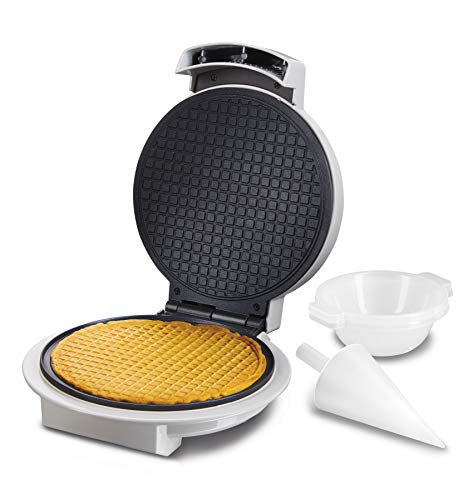
The Proctor Silex waffle cone and ice cream bowl maker is a compact dessert appliance with a clear focus. It creates thin wafers that can become cones or bowls, depending on how you shape them while warm. Browning control lets you choose a lighter wafer or a deeper toasted color. That feature is helpful because thin batter can move from pale to dark in a short time.
This appliance fits home cooks who enjoy ice cream nights and homemade dessert shells. It is easier to store than many commercial machines, making it attractive for apartments and smaller kitchens. It will not replace a Belgian waffle iron, so buyers should choose it for cones and bowls rather than breakfast waffles. For dessert use, it can be a smart alternative when shopping for the best waffle maker for home use.
Pros:
- Browning control helps fine-tune wafer color
- Makes both cones and ice cream bowls
- Compact design suits smaller kitchens
- Useful for family dessert activities
- Thin wafers can add a crisp homemade touch
- Simple controls are approachable for new users
Cons:
- Not designed for thick Belgian or American waffles
- Warm wafers must be shaped quickly
- Thin batter can burn if left unattended
My Recommendation
Each machine serves a different kind of home cook. I would choose the Dyna-Living rotating model for thick Belgian waffles and even batter spread. Families that need several servings should look at the four-slice machine, while campers should choose the cast iron model. Dessert fans have two good cone and bowl options, and the heart and bubble makers bring extra fun to special meals.
| Best for | Why |
|---|---|
| Family brunch | The four-slice Belgian design cooks more portions in each cycle. |
| Thick Belgian waffles | The Dyna-Living rotating iron helps spread batter and brown it evenly. |
| Creative desserts | The bubble, heart, cone, bowl, and waffle-stick designs offer fun shapes. |
Before buying, measure your counter space and check the electrical needs. A commercial unit can be powerful, but it may be heavy and wide. Also consider cleanup: deep grooves often need a soft brush, and manufacturers generally advise keeping electrical waffle makers away from running water. The FDA advises safe food handling and proper cooking practices, so use clean utensils, refrigerate perishable toppings, and keep hot equipment away from children.
How to Choose the Best Waffle Maker for Home Use
The right waffle maker starts with the waffle you actually want to eat. A Belgian waffle has deep pockets and a soft center. A classic American waffle is often thinner and crisper. Bubble waffles, heart waffles, waffle sticks, cones, and bowls each need a special plate. A machine cannot do every style equally well, so shape should come before decoration.
Choose the right waffle style
Belgian waffle makers suit thick batter and toppings. Their deep pockets catch syrup and melted butter like little cups. A rotating model can help spread batter across the plates. A four-slice model is better when speed matters more than compact storage.
Bubble waffle makers create a light, egg-shaped treat with round pockets. They work well with fruit, ice cream, and folded dessert cones. Heart waffle makers focus on presentation. They are a lovely fit for children, celebrations, and gift giving.
Waffle cone machines make thin, crisp wafers. They require a different batter and faster handling. A cast iron waffle maker offers the most freedom for outdoor cooking, but it asks the user to manage heat by hand. Decide whether you want breakfast, dessert, or camping use before comparing wattage.
Look at heat control
Heat control affects color, crust, and texture. A simple light often tells you when the plates are hot, but it does not always tell you when the waffle is ready. Adjustable temperature gives more control over different batters. A timer helps, but I still check the waffle near the end because recipes vary.
High wattage can help a machine heat fast and recover after you add cold batter. It does not automatically guarantee a better waffle. Plate design, lid fit, heat distribution, and batter amount also matter. I treat wattage as one useful clue, not the whole buying decision.
Think about plate size and output
One large waffle may suit a couple. Four sections make more sense for a family. Smaller individual sticks can be easier for children to hold. A 10-inch wafer pan is better for a dessert cone than a breakfast plate.
Large plates often mean a larger appliance. Measure the space from front to back, then check the lid height if you plan to store the unit under a cabinet. Leave room for the handle and for steam to escape. A waffle maker should fit your kitchen routine, not block it.
Check the cooking surface
Non-stick plates make release easier, but they still need care. I use silicone, wood, or plastic tools rather than metal forks. I let the machine cool before wiping it with a damp cloth. I never pour water into an electric waffle maker unless the manual clearly allows it.
Cast iron needs a different routine. Dry it fully, apply a thin layer of cooking oil when appropriate, and follow the care instructions. A well-kept cast iron iron can become a long-term kitchen tool. Neglect can lead to rust and uneven release.
Consider safety and daily comfort
Look for stable feet, a handle that stays cool enough to hold, and a cord that reaches your outlet without stretching. Steam can rise from the sides, especially with thick batter. Keep your hands away from the plate edges and let the waffle maker cool before moving it.
Commercial machines may reach higher temperatures and use more power than compact home models. Plug them into a suitable outlet and follow the electrical guidance in the manual. Do not use a damaged cord or leave a hot appliance unattended. These small steps protect both the cook and the kitchen.
Tips for Better Homemade Waffles
Preheat the machine before adding batter. A cold plate can cause sticking and pale color. Use a measured amount of batter until you learn how much the plates hold. Too much batter expands into the hinge and creates a hard cleanup job.
Do not open the lid too early. The waffle may split before its surface sets. Steam often drops as the waffle nears completion, but timing varies by recipe and machine. Start with the recipe’s suggested time, then adjust the temperature or cooking time in small steps.
For crisp waffles, place cooked pieces on a wire rack instead of stacking them. A stack traps steam and softens the crust. If you need to hold several waffles, use a low oven only when the recipe and appliance instructions support it. Never place the electric waffle maker itself in an oven.
Use fresh baking powder and measure flour with care. Too much flour can make waffles dense. Too much liquid can create a weak surface. For a crisp edge, many cooks use a little oil or melted butter in the batter. Always check the recipe and adjust for the specific plate depth.
Cleaning and Maintenance Advice
Let the machine cool first. Remove loose crumbs with a soft brush or dry paper towel. Wipe the plates with a damp cloth and mild dish soap only if the care guide allows it. Never scrape baked batter with a knife, since sharp metal can damage the non-stick surface.
For sticky spots, place a damp cloth over the closed, unplugged plates for a short time. The moisture can soften residue without harsh scrubbing. Dry the appliance before storage. Keep the cord loose rather than wrapping it tightly around a hot or sharp edge.
Cast iron requires extra care. Do not soak it for long periods. Dry it over low heat if suitable, then apply a very thin oil layer. Store it in a dry place. If rust appears, clean and re-season it according to reliable cast iron care guidance.
FAQs Of best waffle maker for home use
What is the best waffle maker for home use?
The best choice depends on your waffle style and household size. The Dyna-Living rotating model suits thick Belgian waffles, while the four-slice model suits busy families. Bubble, heart, cone, and stick makers work best for specific shapes and desserts.
Is a higher wattage waffle maker better?
Higher wattage can mean faster heating and better heat recovery. It does not guarantee even cooking by itself. Plate design, temperature control, batter amount, and lid fit also affect the final waffle.
Should I buy a rotating Belgian waffle maker?
A rotating model can help thick batter spread across the plates. It is a good choice for Belgian waffles with deep pockets. It may be less useful if you want a small, simple appliance for occasional use.
How do I stop waffles from sticking?
Preheat the plates, use the right batter, and avoid opening the lid too soon. A light coating of suitable oil may help when the recipe calls for it. Use non-metal tools and clean the plates without scratching them.
Can I use a cast iron waffle maker at home?
Yes, if you have a gas stove or grill that supports it. Cast iron needs manual heat control and regular drying or seasoning. It is a strong option for camping, but an electric model is easier for quick indoor breakfasts.
Final Verdict: Which Should You Buy?
For most families, I would choose the Dyna-Living rotating Belgian model for its thick waffles and even batter spread. The four-slice machine is better for large batches, while specialty makers suit bubble, heart, cone, or stick waffles.
The best waffle maker for home use is the one that fits your recipe, space, and cooking pace. Compare current Amazon details, care instructions, and availability before ordering.