For most users, the Ninja Nutri-Blender Pro is the best blender for protein shakes.
You finish a workout, add protein powder, milk, fruit, and ice, then hear the blender struggle. A weak motor leaves lumps, while a large pitcher creates more cleanup than the shake is worth. I tested these blender styles with frozen fruit, ice, oats, nut butter, and thick protein mixes. This guide helps you find the best blender for protein shakes based on power, cup size, texture, noise, cleanup, and daily use.
Ninja Nutri-Plus Personal Blender

The Ninja Nutri-Plus Personal Blender BN301 is a strong match for people who make one or two protein shakes at a time. Its 900-watt motor gives it more working power than many small travel blenders. I like the three included 20-ounce cups because I can blend a shake, add a lid, and take it with me. The compact base also fits well under most kitchen cabinets.
This blender works best when I add liquid first, then protein powder, fruit, and ice. That simple loading order helps the blades pull thick ingredients down with less stopping. The cups are useful for gym bags, work desks, and quick breakfasts. It is not a full family blender, but it handles daily personal shakes with very little fuss.
Pros:
- Strong 900-watt motor for protein powder and frozen fruit
- Includes three personal cups for easy meal prep
- Compact size saves counter and cabinet space
- Travel lids make shakes easy to carry
- Simple controls support fast one-touch blending
- Good choice for single servings and busy mornings
Cons:
- Small cups do not suit large family batches
- Can be loud during high-speed blending
- Thick mixtures may need a shake or stir between blends
Ninja Fit Compact Personal Blender

The Ninja Fit QB3001SS is a small personal blender for simple shakes and smoothies. Its 700-watt motor is enough for protein powder, milk, soft fruit, and small ice pieces. The two 16-ounce cups are a nice fit for controlled portions. I found this model especially useful when I wanted a quick shake without bringing out a large pitcher.
The Fit uses a pulse-style operation, so I control the blend time myself. That design keeps the controls easy, but it requires a little attention during use. I recommend adding enough liquid when using frozen ingredients. For shoppers who need an affordable and compact blender for protein shakes, this model offers good daily value.
Pros:
- Compact design works well in small kitchens and dorms
- 700 watts handles basic protein shake ingredients
- Two cups support separate servings
- Easy pulse control gives direct blending control
- Simple parts make setup and storage quick
- Usually costs less than larger personal models
Cons:
- 16-ounce cups may feel small for large shakes
- Less power for hard ice, oats, or thick nut butter
- No automatic blend programs
Ninja Professional Plus Blender

The Ninja Professional Plus BN701 is built for more than a single post-workout drink. Its 1,400-watt motor and 72-ounce pitcher give me room to prepare several shakes at once. This is helpful for couples, families, or anyone who likes to prepare breakfast for more than one day. The Auto-iQ programs also reduce guesswork during repeated recipes.
I like this blender for thick drinks that include frozen berries, bananas, ice, and oats. The large pitcher gives ingredients space to move, which can create a smooth result when the recipe has enough liquid. It does take more counter space than a personal blender. Still, it is a powerful option when batch size matters as much as texture.
Pros:
- 1,400 watts provide strong power for frozen ingredients
- Large 72-ounce pitcher supports family-size batches
- Auto-iQ programs help simplify repeat recipes
- Useful for shakes, smoothies, sauces, and frozen drinks
- Wide pitcher is easy to fill and monitor
- Good choice for meal prep and multiple servings
Cons:
- Large design needs more storage space
- Pitcher cleanup takes longer than cup cleanup
- High power can produce noticeable operating noise
Nutribullet Personal Blender 600W
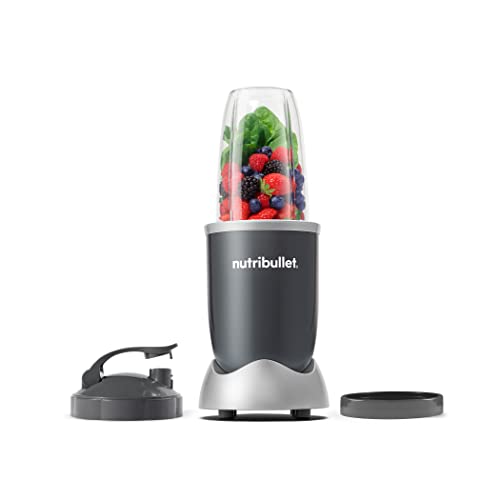
The Nutribullet NBR-0601WM keeps personal blending simple. Its 600-watt motor suits protein powder, milk, yogurt, soft fruit, and modest amounts of ice. The 24-ounce cup gives a little more room than many basic 16-ounce personal blenders. I see it as a practical starter choice for people who want quick shakes without complex buttons.
This model uses a cup-and-twist design that feels natural after a few uses. I can blend the drink in the cup and use the same cup for drinking, which cuts down on dishes. It performs best with a sensible liquid-to-solid balance. If I load too much frozen food at once, the smaller motor needs more help from stirring or extra liquid.
Pros:
- Simple design is easy for first-time blender owners
- 24-ounce cup offers useful personal capacity
- 600 watts handles everyday protein shakes
- Blend-and-drink cup reduces dishwashing
- Compact base stores easily in small spaces
- Useful for shakes, smoothies, and light food prep
Cons:
- 600 watts may struggle with very hard ice
- Usually includes fewer cups than some competitors
- No programmed settings or speed controls
Ninja Nutri-Blender Pro with Auto-iQ
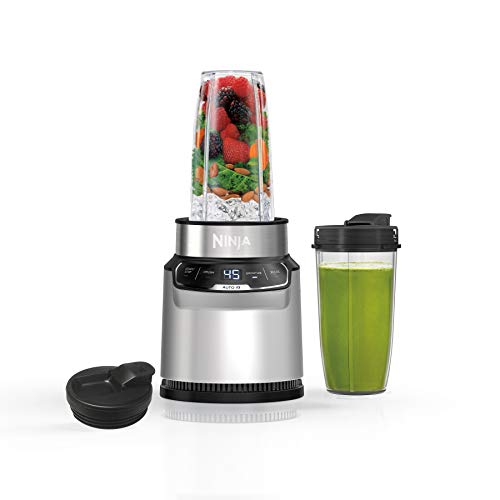
The Ninja Nutri-Blender Pro BN401 is my top personal pick in this group. Its 1,100-watt motor gives it the power I want for protein powder, frozen fruit, ice, and leafy greens. The two 24-ounce cups work well for a generous shake without making the machine bulky. For many shoppers, this balance makes it the best blender for protein shakes at home or after training.
The Auto-iQ programs add a helpful level of repeatable control. I can press a program and focus on getting ready for work instead of watching the blade. The cups include travel lids, so the drink moves from the blender to the car with little effort. It is still a personal blender, but it delivers a smoother and more confident result than many smaller models.
Pros:
- Powerful 1,100-watt motor suits thick shake recipes
- Two 24-ounce cups support large personal servings
- Auto-iQ programs offer convenient timed blending
- Travel lids make grab-and-go use simple
- Compact footprint saves space compared with full-size units
- Strong choice for frozen fruit, ice, and leafy greens
Cons:
- Personal cups limit large group preparation
- Motor noise is noticeable at high speed
- Thick mixtures still need correct liquid and loading order
Nutribullet Full-Size Blender Combo

The Nutribullet NBF50500 gives shoppers both a full-size pitcher and a personal cup. Its 1,200-watt motor handles a broad range of shake ingredients, including frozen fruit and ice. The 64-ounce pitcher is useful when I make drinks for the family, while the 32-ounce cup suits one larger serving. This flexible layout helps one appliance cover several daily tasks.
I also appreciate the speed choices and pulse function. They let me use a gentle mix for powder and a stronger setting for frozen food. The extractor blade adds value for smoothies and small food-prep jobs. This combo needs more storage room than a personal blender, but it can replace several smaller tools on a busy kitchen counter.
Pros:
- 1,200 watts provide useful power for thick shakes
- Includes both a 64-ounce pitcher and 32-ounce cup
- Multiple speeds and pulse improve recipe control
- Works for family batches and single servings
- Extractor blade expands smoothie and food-prep use
- Good all-around value for mixed household needs
Cons:
- More parts require more storage and washing
- Full-size pitcher takes up counter space
- Large batches may be excessive for one person
Ninja Professional Blender 2.0

The Ninja Professional Blender 2.0 BR201AMZ is a strong full-size option for people who blend often. Its 1,200-watt motor offers enough force for large protein shakes, frozen fruit, and ice-based drinks. The 72-ounce pitcher gives me plenty of room for several servings. Auto-iQ settings also make common recipes easier to repeat.
This blender feels suited to a household where shakes share space with smoothies, sauces, and frozen drinks. It has a broad working capacity, so I do not need to blend in several small rounds. The tradeoff is its larger footprint and louder operation. If you want a full-size blender for protein shakes and other kitchen work, the BR201AMZ is a capable choice.
Pros:
- 1,200-watt motor handles large and thick recipes
- 72-ounce pitcher supports several servings
- Auto-iQ programs simplify everyday blending
- Versatile design suits shakes, smoothies, and sauces
- Large capacity helps with meal prep
- Strong base stays steady during demanding blends
Cons:
- Large pitcher needs a roomy storage spot
- Can be loud when crushing ice
- Not the best fit for a single small shake
Magic Bullet Blender 11-Piece Set

The Magic Bullet 11-Piece Set is made for simple, small servings. Its compact size makes it a natural fit for apartments, offices, dorm rooms, and travel spaces. I like how the included cups and lids support a quick blend-and-go routine. It is best with protein powder, milk, yogurt, soft fruit, and light smoothie ingredients.
This blender does not aim to replace a powerful full-size machine. Instead, it acts like a helpful kitchen pocketknife for small jobs. The personal cups keep cleanup fast, and the twist operation feels easy to learn. Choose it when low cost, low storage needs, and simple protein shakes matter more than crushing large amounts of ice.
Pros:
- Very compact for small kitchens and shared spaces
- Includes useful cups, lids, and accessories
- Fast setup supports busy morning routines
- Personal portions reduce waste and cleanup
- Simple operation suits beginners
- Good budget choice for basic protein shakes
Cons:
- Less suitable for hard ice and frozen food
- Small cups limit serving size
- Does not offer automatic programs or many controls
Ninja Professional Blender 1000W

The Ninja Professional BL610 remains a practical full-size blender for people who want strong basic performance. Its 1,000-watt motor and 72-ounce pitcher give it useful capacity for several shakes. The Total Crushing design helps break down ice and frozen ingredients when I use enough liquid. Its straightforward control panel also avoids the learning curve of advanced machines.
I see this model as a workhorse rather than a feature-heavy appliance. It is useful for protein shakes, smoothies, frozen drinks, and sauces. The large pitcher is a benefit for families but a drawback for someone who only makes one drink. For the price and capacity, it can still serve as a dependable best blender for protein shakes for batch users.
Pros:
- 1,000 watts provide reliable everyday blending power
- 72-ounce pitcher supports family-size recipes
- Total Crushing technology suits ice and frozen fruit
- Simple controls are easy to understand
- Useful for shakes, smoothies, drinks, and sauces
- Strong value for shoppers who need a large pitcher
Cons:
- No automatic programs for hands-free blending
- Large pitcher takes more time to wash
- Full-size design may be too large for one serving
Ninja BL660 Professional Blender

The Ninja BL660 combines a 1,100-watt motor with a 72-ounce pitcher and two 16-ounce cups. That setup gives me a useful middle ground between family blending and personal servings. I can make one large batch or fill the smaller cups for the road. The three-function control layout remains simple enough for daily use.
This model is a good fit for people who want a blender that does more than make shakes. It can handle frozen drinks, smoothies, sauces, and light food processing. The to-go cups add real value because I do not need to pour every shake into another container. It is a strong all-purpose option, though its large base and pitcher need a dedicated storage area.
Pros:
- 1,100 watts handle protein powder, ice, and frozen fruit
- Large 72-ounce pitcher suits family recipes
- Two 16-ounce cups support portable servings
- Spout lids help prevent spills during travel
- Three functions keep operation simple
- Versatile enough for smoothies, sauces, and frozen drinks
Cons:
- 16-ounce cups are smaller than many newer personal cups
- Large base needs more counter space
- Operating noise may bother light sleepers or shared homes
How I Choose the Best Blender for Protein Shakes
A good protein shake blender needs more than a high watt number. I look at how well the machine pulls powder, liquid, fruit, ice, and extras into the blade path. I also check whether the cup size matches a normal serving. A powerful blender with the wrong cup can feel less useful than a smaller model that fits your routine.
Motor power matters most when the shake contains frozen fruit, ice, oats, dates, or nut butter. For powder and milk alone, a modest personal blender may work well. For thick recipes, I prefer at least 900 watts in a personal model. Full-size blenders with 1,000 watts or more give extra room and power for batch recipes.
Personal Blender or Full-Size Blender?
A personal blender saves time when you make one shake. I can add ingredients to the cup, blend, attach the lid, and leave. This design also creates fewer dishes. Personal blenders usually cost less and take less space.
A full-size blender makes more sense for families or meal prep. Its large pitcher can handle several servings in one cycle. It also gives ingredients more room to circulate. The cost is more storage, more washing, and often more noise.
What Ingredients Can a Protein Shake Blender Handle?
Most of the models in this guide handle protein powder and liquid with ease. Soft bananas, berries, yogurt, and nut milk are also simple for a capable machine. Frozen fruit and ice demand more power. Oats, dates, seeds, and nut butter make the mixture thicker, so I add more liquid and blend in short stages.
Greens can blend well when I put them near the liquid and use enough time. Dry ingredients should not fill the cup first because they can settle below the blade. I always follow the product manual for maximum fill lines. That small habit protects the motor and improves the final texture.
How to Make a Smooth Protein Shake
I start with liquid. Milk, water, or a milk alternative helps the blades move. Next, I add protein powder, yogurt, soft fruit, and other fresh ingredients. I put frozen fruit and ice near the top, where the blade can pull them down gradually.
I avoid packing the cup too tightly. A shake needs room to circulate, much like a small whirlpool. If the blend looks too thick, I stop the machine and add liquid one tablespoon at a time. This method often works better than running a small blender for too long.
Cleaning and Care Tips
Rinse the cup as soon as I finish the shake. Dried protein powder can turn into a sticky film that takes more work to remove. Warm water and a small amount of dish soap usually help with fresh residue. I check the manual before placing any part in a dishwasher.
I also inspect the blade seal and cup threads from time to time. A clean seal helps prevent leaks. I never immerse the motor base in water. Careful handling keeps a blender safer and can extend its useful life.
Noise, Storage, and Daily Comfort
High-power blenders are rarely quiet. A personal blender may sound sharp because the cup sits close to the motor. Full-size models can sound deeper and louder when they crush ice. If noise matters, I blend during normal hours and place the machine on a stable surface.
Storage is another daily concern. Measure the shelf and counter before buying. A personal model can stay ready for use, while a full-size blender may need a cabinet or pantry. The best blender for protein shakes is the one you will use often, not the one with the biggest motor on paper.
My Recommendation
For most people, I recommend the Ninja Nutri-Blender Pro BN401. It has enough power for thick personal shakes, two useful 24-ounce cups, and Auto-iQ programs that make repeat recipes easy. It is compact enough for daily use but stronger than many entry-level models. In my view, that blend of power, capacity, and convenience makes it the best blender for protein shakes for most single users and couples.
Choose the Ninja Nutri-Plus BN301 if you want three cups and a slightly smaller personal setup. Choose the Ninja Professional Plus BN701 or Nutribullet Full-Size Combo if you make several servings. The Ninja Fit and Magic Bullet suit basic shakes and tight budgets. Before buying, match the blender to your serving size, ingredients, storage space, and cleaning habits.
| Best for | Why |
|---|---|
| Daily personal shakes | Ninja Nutri-Blender Pro offers strong power, two 24-ounce cups, and Auto-iQ. |
| Family-size protein shakes | Ninja Professional Plus provides a 72-ounce pitcher and powerful frozen blending. |
| Small spaces and low cost | Ninja Fit and Magic Bullet use little storage space and make simple shakes fast. |
Important Buying Tips for 2026
Blender shopping in 2026 still comes down to real use, not just marketing words. A long feature list does not guarantee a smooth shake. I focus on motor strength, blade design, cup shape, controls, and the included accessories. I also consider how easy the parts are to rinse after sticky protein powder.
Check the stated cup or pitcher capacity, but do not fill it to the top with thick food. Leave room for movement. Also check the warranty and replacement part options before purchase. A brand with common cups and lids can be easier to maintain over time.
Power Ratings Need Context
Manufacturers list watts in different ways, so I do not compare numbers as if they tell the whole story. Blade shape, cup design, ingredient amount, and liquid level all affect the result. A 700-watt blender can make a good powder-and-milk shake. A higher-power model gives more room for ice and frozen food.
For a daily shake with protein powder, banana, and milk, almost every model here can work when loaded correctly. If you use frozen berries, oats, or ice each day, I would choose the Ninja Nutri-Blender Pro or a full-size model. Extra power acts like a wider road; it gives the ingredients more room to move without slowing the machine.
Capacity and Portion Control
A 16-ounce cup fits a small shake. A 20- to 24-ounce cup offers more space for milk, powder, fruit, and ice. Larger cups are useful after hard workouts when I want more calories or extra fluid. However, a large cup can encourage oversized portions if I do not measure ingredients.
Full-size pitchers make sense when two or more people drink shakes. They also help with weekly meal prep. For one person, a personal cup usually feels faster and cleaner. Think about your normal serving, not your largest possible recipe.
Blade and Lid Safety
Blender blades are sharp and need careful handling. I remove the cup or pitcher before touching the blade assembly. I also check that the lid or cup is locked before turning the motor on. These simple steps reduce spills and make the routine safer.
Never blend hot liquid in a container that the manual does not approve for heat. Protein shakes are usually cold, so this warning is easy to follow. I also avoid running a blender empty. A little liquid helps the blade work and reduces unnecessary stress.
FAQs Of best blender for protein shakes
What is the best blender for protein shakes?
For most people, the Ninja Nutri-Blender Pro BN401 is the best blender for protein shakes. It offers a strong 1,100-watt motor, two 24-ounce cups, and Auto-iQ programs. It works well for protein powder, fruit, ice, and many thick shake recipes.
Is a personal blender better for protein shakes?
A personal blender is better when you make one shake at a time. It blends in the drinking cup, uses less space, and usually creates less cleanup. Choose a full-size blender if you make several servings or use large amounts of frozen food.
How many watts should a blender have for protein shakes?
A 600- to 700-watt blender can handle basic powder-and-liquid shakes. I prefer 900 watts or more for ice, frozen fruit, oats, and nut butter. Wattage is useful, but blade design, liquid, and loading order also affect results.
Can I blend ice with protein powder?
Yes, if the blender supports ice and you use enough liquid. Add liquid first and avoid overfilling the cup. A stronger model, such as the Ninja Nutri-Blender Pro or Ninja Professional Plus, is better for frequent ice-based shakes.
How do I stop protein powder from clumping?
Add liquid before the powder. Then add soft ingredients and frozen items. Blend soon after adding the powder, and use a short pulse if needed. A little extra liquid can turn a lumpy shake into a smooth one.
Final Verdict: Which Should You Buy?
The Ninja Nutri-Blender Pro BN401 is my top choice and the best blender for protein shakes for most users. Its power, cups, and Auto-iQ controls make daily blending easy.
Pick a full-size Ninja or Nutribullet for batch shakes. Choose the Fit or Magic Bullet for basic drinks in a small space. Match the blender to your routine for lasting value.