Rinse, measure, use 1:1.25 water-to-rice in a cooker for fluffy basmati rice.
I’ve cooked basmati rice in a rice cooker hundreds of times, and this guide shares clear, tested steps to get fluffy, separate grains every time. You’ll learn why a rice cooker often gives better, more consistent results than stovetop methods, exact water ratios, rinse and soak tips, flavor ideas, troubleshooting, and real-life lessons from my kitchen. Read on to master how to cook basmati rice in a rice cooker and make perfect rice a simple habit.
Why choose basmati and a rice cooker
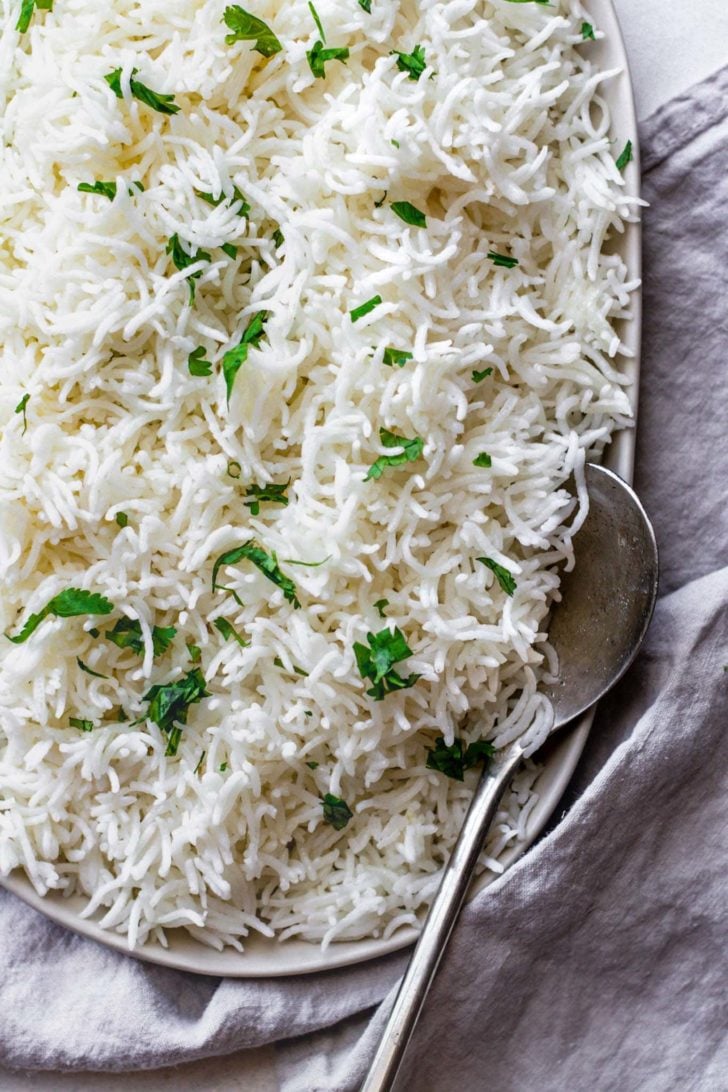
Basmati is prized for its fragrance and long, separate grains. A rice cooker gives even heat, timed steaming, and hands-off convenience that highlights basmati’s aroma. I prefer the rice cooker for weekday meals and special dinners because it reduces guesswork and gives consistent texture.

What you'll need
- Rice cooker with a tight lid and measuring cup.
- Basmati rice (white or brown).
- Clean water and a fine mesh sieve.
- Optional: salt, oil, butter, aromatics (cardamom, bay leaf).
- Measuring tools: standard cup and spoon.
Tip: Use the rice cooker cup or a standard 240 ml cup consistently. Small changes in cup size change the water ratio.
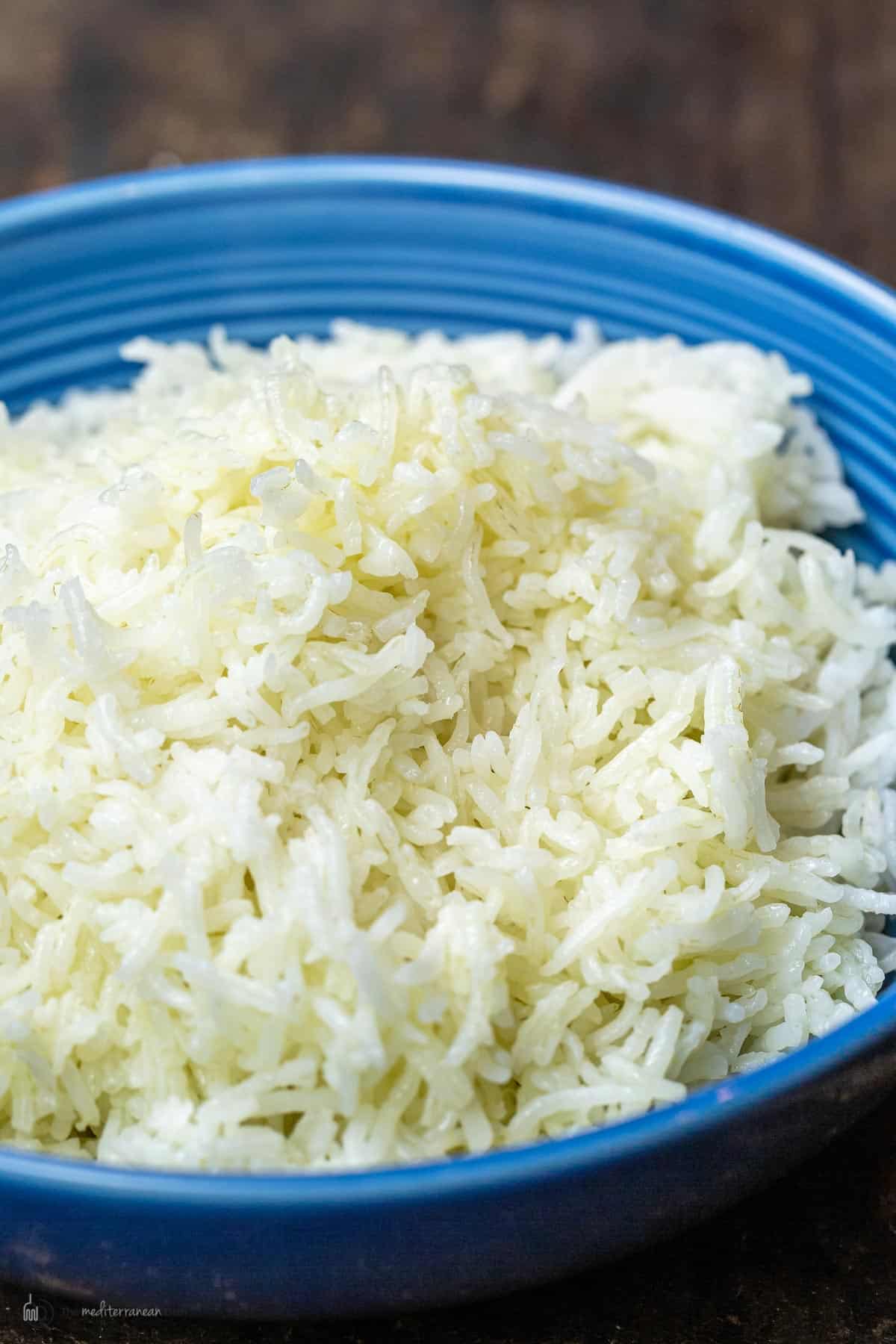
Step-by-step: How to cook basmati rice in a rice cooker
- Measure the rice. Use 1 cup of basmati rice per 2–3 servings.
- Rinse well. Place rice in a sieve or bowl and rinse until the water runs almost clear; this removes surface starch and prevents gummy rice.
- Soak briefly (optional). Soak rinsed rice for 15–30 minutes to help grains elongate and cook evenly. Drain well.
- Add water. For most white basmati, use 1 cup rice to 1.25 cups water (1:1.25). Adjust slightly for your cooker or brand.
- Season and oil. Add 1/2 teaspoon salt per cup of dry rice and a teaspoon of oil or butter to keep grains separate.
- Start cooker. Close the lid and press cook. Let the cooker complete its cycle without opening the lid.
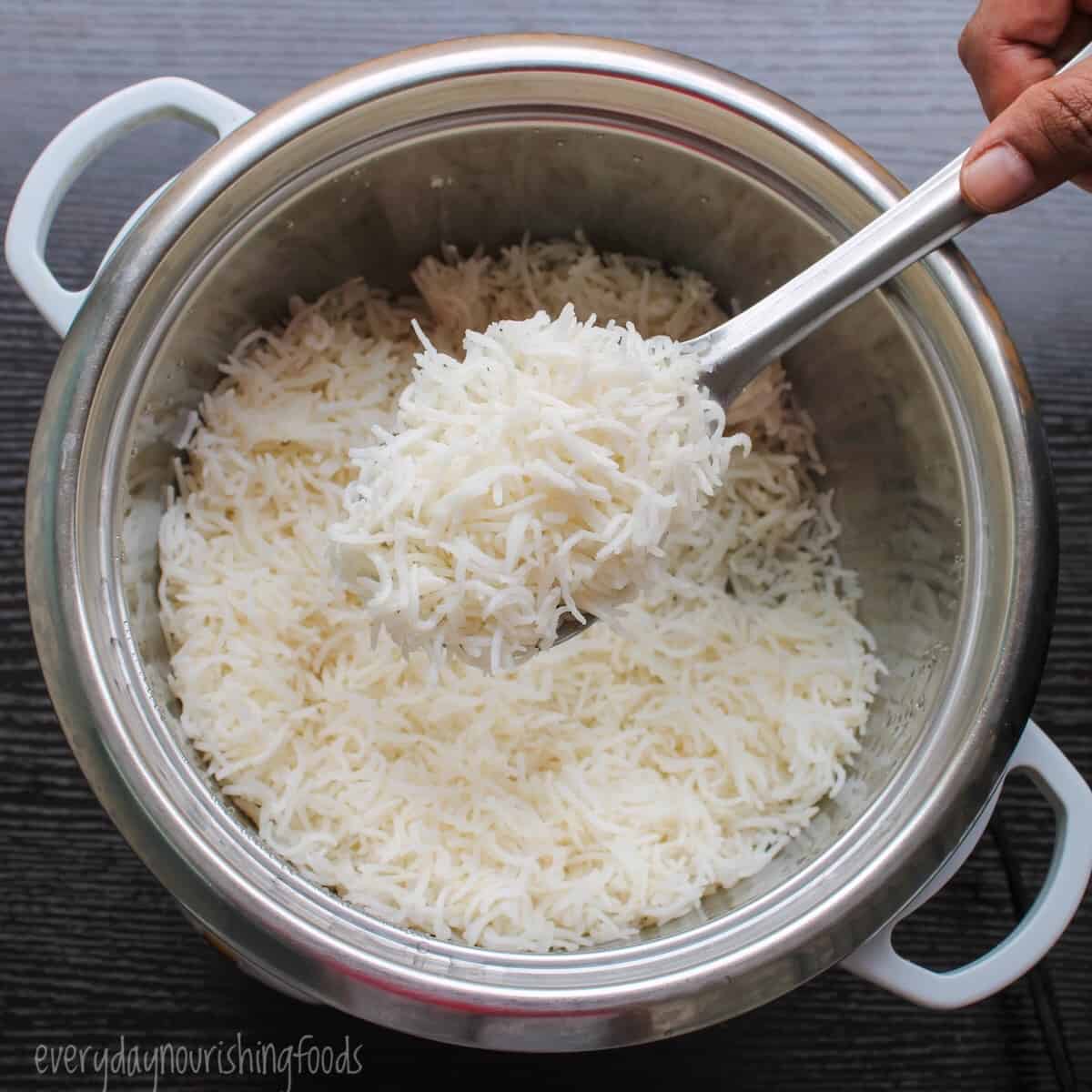
- Rest and fluff. When the cooker switches to “keep warm,” leave rice undisturbed for 10 minutes. Fluff gently with a fork or rice paddle.
From experience, the rinse and rest steps matter most. Skipping them often results in sticky or uneven rice.
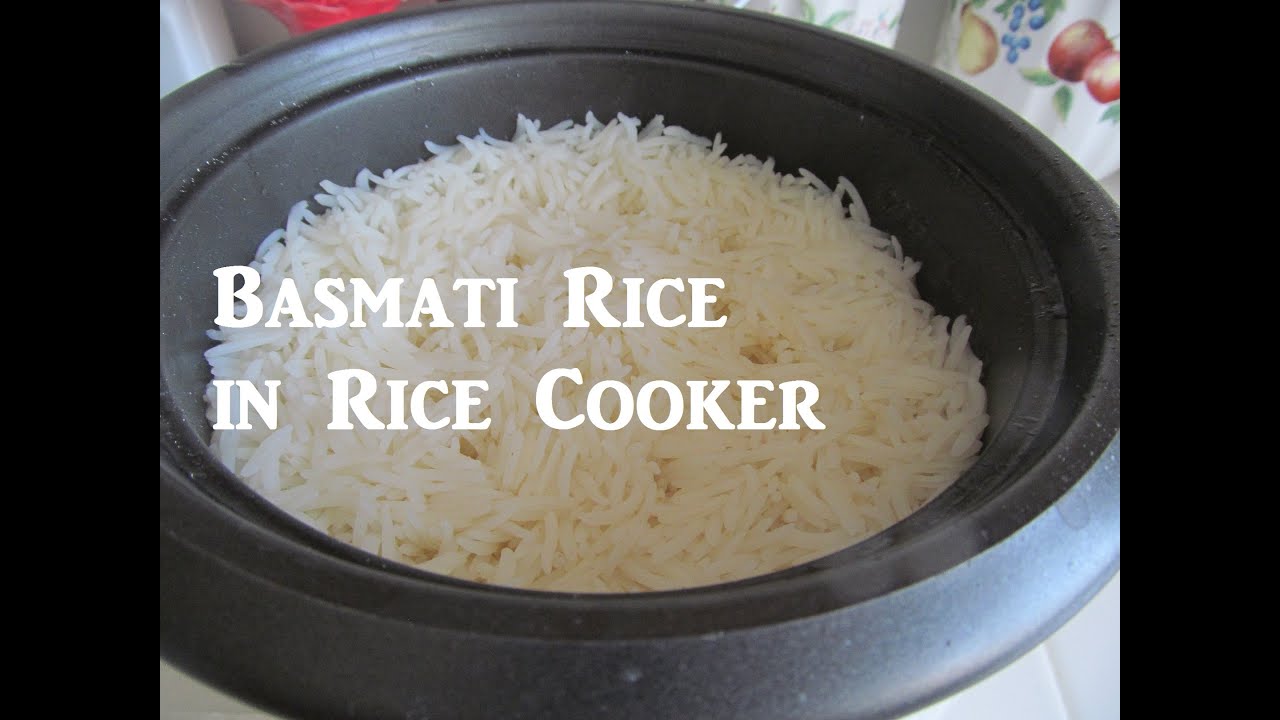
Water-to-rice ratio and small adjustments
- Standard ratio for white basmati: 1 cup rice to 1.25 cups water.
- For firmer rice: reduce water to 1.1 cups per cup rice.
- For softer rice: increase to 1.5 cups water.
- Brown basmati needs more water and time: about 1 cup rice to 1.5–1.75 cups water depending on age.
- Altitude, old rice, and different cookers change absorption; make small adjustments and record what works.
Note: Your rice cooker’s internal cup may be smaller than a 240 ml cup. Check the manual and test ratios using your specific cup.
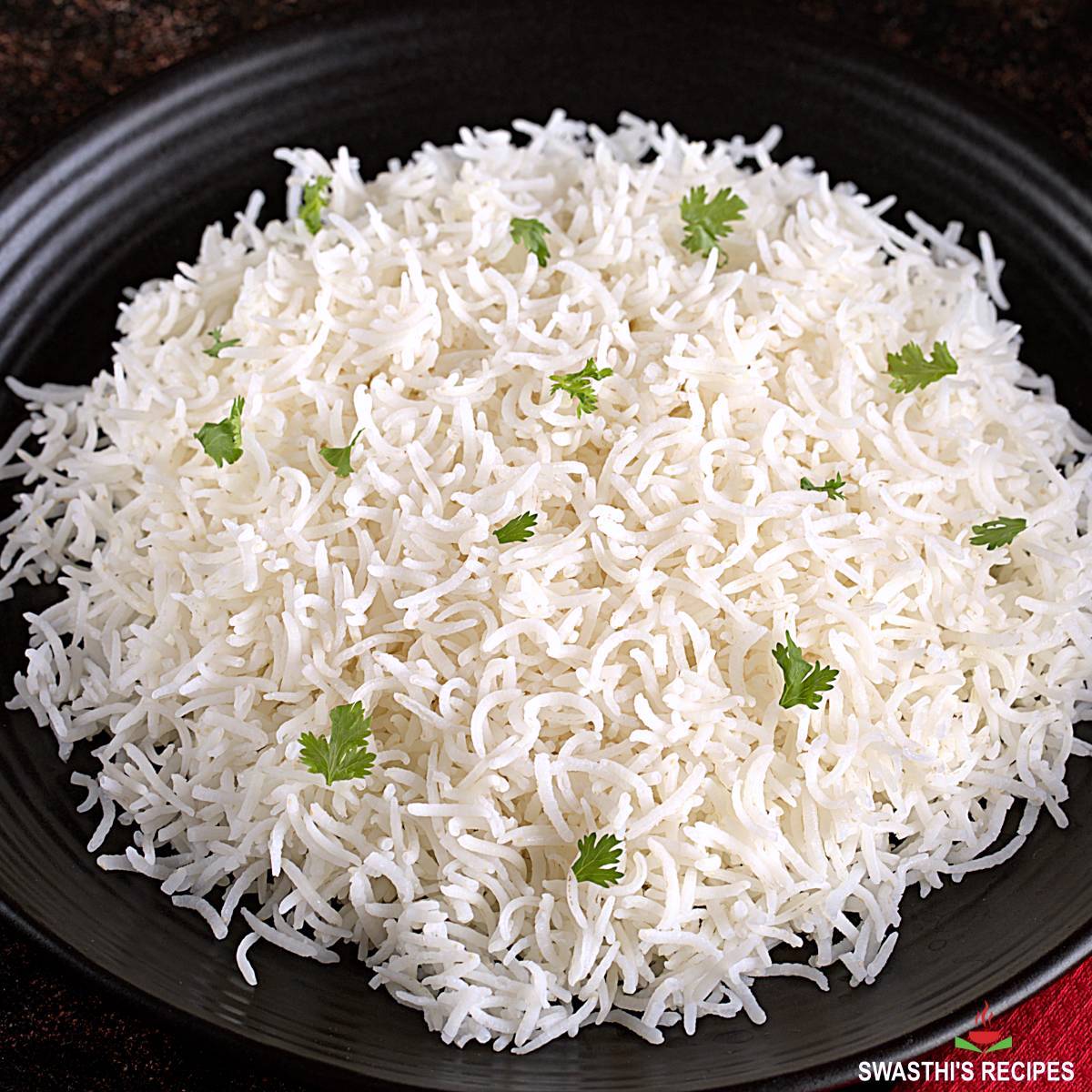 mistakes and troubleshooting”
style=”max-width: 100%; height: auto; border: 2px solid black; border-radius: 10px; display: block; margin: 0 auto;”
loading=”lazy”
/>
Common mistakes and troubleshooting
- Using unwashed rice. Causes gummy, clumpy rice. Always rinse until water is clear.
- Wrong water ratio. Too much water makes soggy rice; too little leaves it undercooked. Start with 1:1.25 and adjust.
- Opening lid during cooking. Lets steam escape and affects texture. Wait until the cycle finishes.
- Not resting rice. Cutting rest short results in sticky grains. Rest 10 minutes for best texture.
If rice is mushy, reduce water slightly next time and skip soaking. If undercooked, add 2–3 tablespoons of hot water and run a short steam cycle or let it sit on warm for 10 minutes.

Flavor variations and serving ideas
- Simple pilaf: Sauté a tablespoon of oil with cumin seeds and minced onion before adding rinsed rice and water.
- Aromatic basmati: Add 2 crushed green cardamom pods and a bay leaf to the water for subtle fragrance.
- Lemon-herb rice: Stir in lemon zest and chopped cilantro after fluffing.
- One-pot meal: Add pre-cooked vegetables or protein after the rice is cooked and let steam on warm for 5 minutes.
Personal tip: I often add a small knob of butter and a pinch of saffron dissolved in warm milk for weekend dinners. That elevates plain basmati without much effort.

Storage and reheating
- Cool rice quickly by spreading it in a shallow container within an hour of cooking.
- Store in the fridge up to 4 days in an airtight container. For longer storage, freeze portions for up to 1 month.
- Reheat with a splash of water in a covered bowl in the microwave or steam briefly on the stovetop to restore moisture.
Safety note: Do not leave cooked rice at room temperature longer than two hours; bacteria can grow and cause foodborne illness.
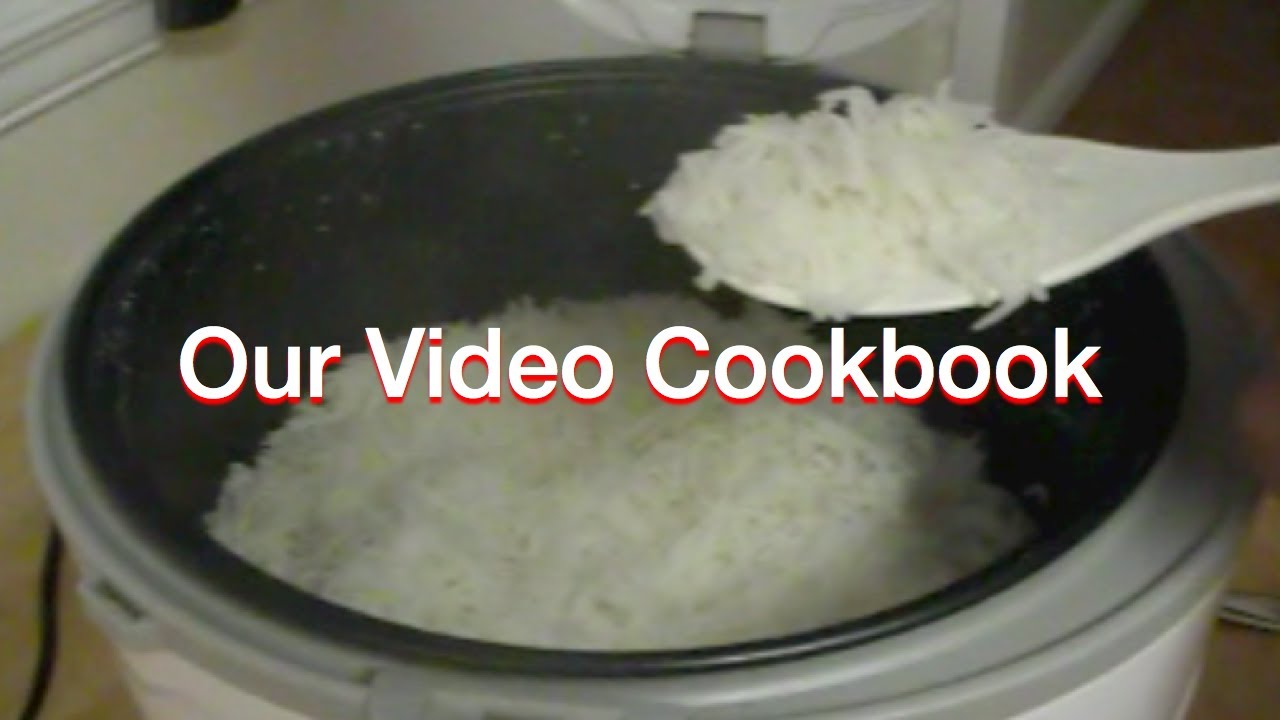
Quick PAA-style questions
How long should I soak basmati before cooking?
Soak basmati rice 15–30 minutes to help grains lengthen and cook evenly. Short soaking is optional but improves texture.
Can I skip rinsing basmati rice?
You can, but rinsing removes surface starch and reduces stickiness, producing fluffier, separate grains.
Will my rice cooker change the water ratio?
Yes. Different rice cookers and cup sizes absorb heat differently, so test 1:1.25 and tweak to your appliance’s results.
Frequently Asked Questions of how to cook basmati rice in a rice cooker
How much water do I use for one cup of basmati in a rice cooker?
Use about 1.25 cups of water for one cup of white basmati rice as a starting point. Adjust slightly for your cooker or desired firmness.
Do I need to soak basmati rice before putting it in the rice cooker?
Soaking 15–30 minutes is optional but recommended to lengthen grains and improve texture. If short on time, rinsing alone still helps.
How long does basmati rice take in a rice cooker?
Cooking time varies by cooker and rice age but usually finishes in 12–25 minutes for white basmati; brown basmati takes longer. Let it rest 10 minutes after cooking.
Why is my basmati rice sticky after using the rice cooker?
Sticky rice usually results from insufficient rinsing, too much water, or skipping the rest period. Rinse until water is clear and use the 1:1.25 ratio.
Can I add spices or oil before cooking in the rice cooker?
Yes. Add salt, a teaspoon of oil or butter, and whole spices like cardamom or bay leaf to the water for extra flavor. Avoid too many wet ingredients that change water balance.
Should I open the rice cooker while it’s cooking to check?
No. Opening the lid releases steam and can ruin texture. Wait until the cooker signals it’s done and then rest the rice for best results.
Conclusion
Mastering how to cook basmati rice in a rice cooker comes down to three habits: rinse well, use the right water ratio (start at 1:1.25), and allow a short rest after cooking. Practice these steps and adjust for your cooker, and you’ll consistently get fragrant, fluffy basmati. Try one new flavor variation this week and share how it turned out—drop a comment, subscribe for more simple rice tips, or save this guide for easy reference.