Cook sticky rice by soaking glutinous rice, then steaming until the grains are tender and slightly chewy.
I’ve cooked sticky rice in home kitchens and busy restaurants. I will walk you through exactly how to cook sticky rice with clear steps, useful tips, and real-life tricks I learned from trial and error. Whether you want perfect mango sticky rice or a side for Thai and Lao dishes, this guide covers methods, troubleshooting, storage, and serving ideas. Read on to master sticky rice with confidence and enjoy reliably chewy, glossy results every time.
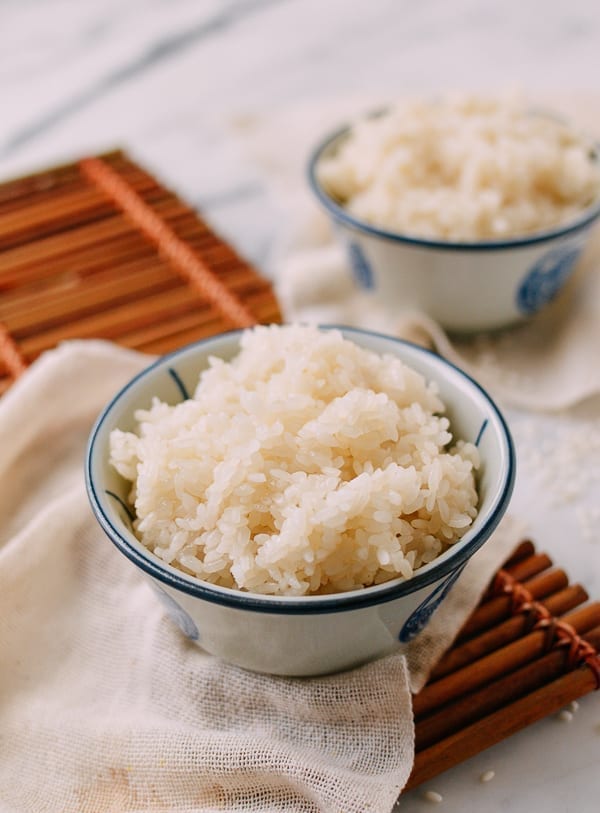
What sticky rice is and why it matters
Sticky rice is glutinous rice. It is not the same as regular long-grain rice. The starch structure makes it cling and feel chewy. Knowing this helps you pick the right rice and the right method for how to cook sticky rice.
Sticky rice shines in many Asian dishes. It pairs with savory and sweet foods. Learn its traits and you will choose the best cooking method and texture for each dish.
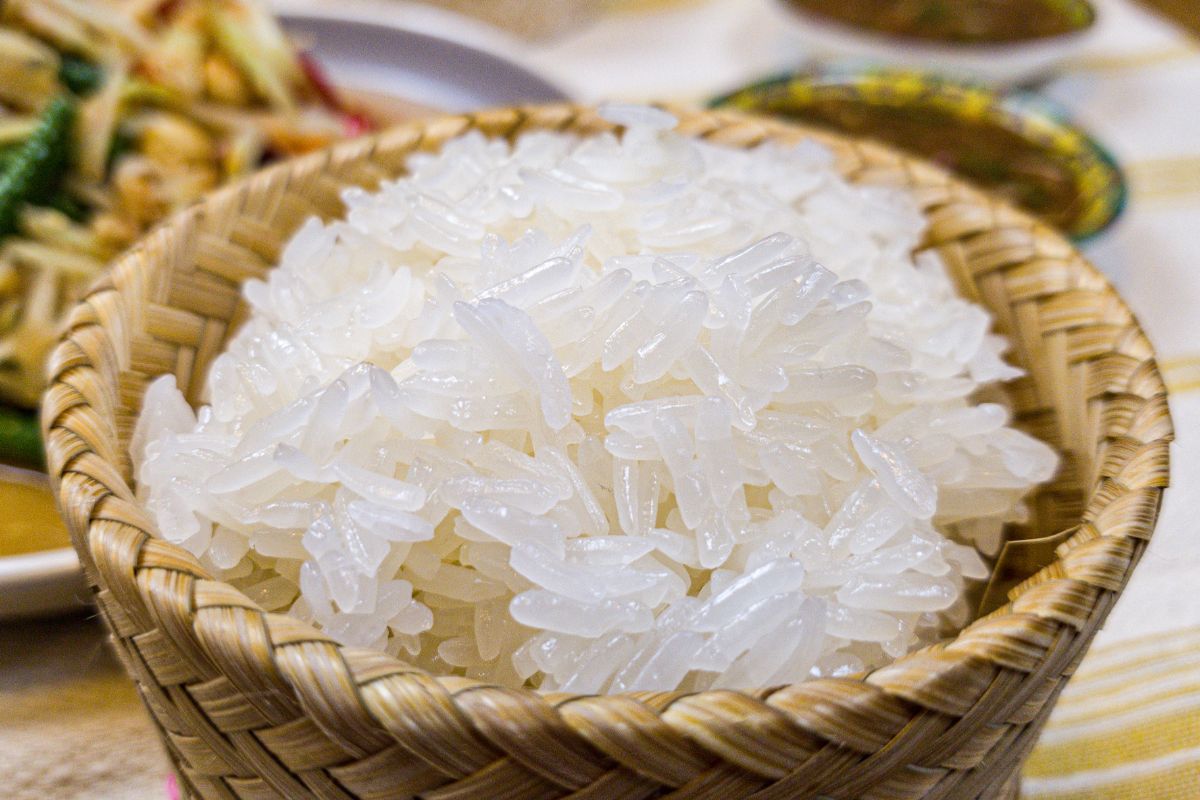
Ingredients and tools you’ll need
Use the right rice and keep tools simple.
- Glutinous rice (also called sticky rice or sweet rice). Use Asian-market brands for best texture.
- Water for soaking and steaming. Do not wash away all starch; rinse briefly.
- Bamboo steamer, metal steamer basket, or a tight sieve that fits a pot.
- A bowl for soaking and a wooden spatula or rice paddle for fluffing.
Optional tools that help: a rice cooker with a sticky rice function and an Instant Pot. I use a bamboo basket for authentic texture. These small choices change the final chew and gloss.
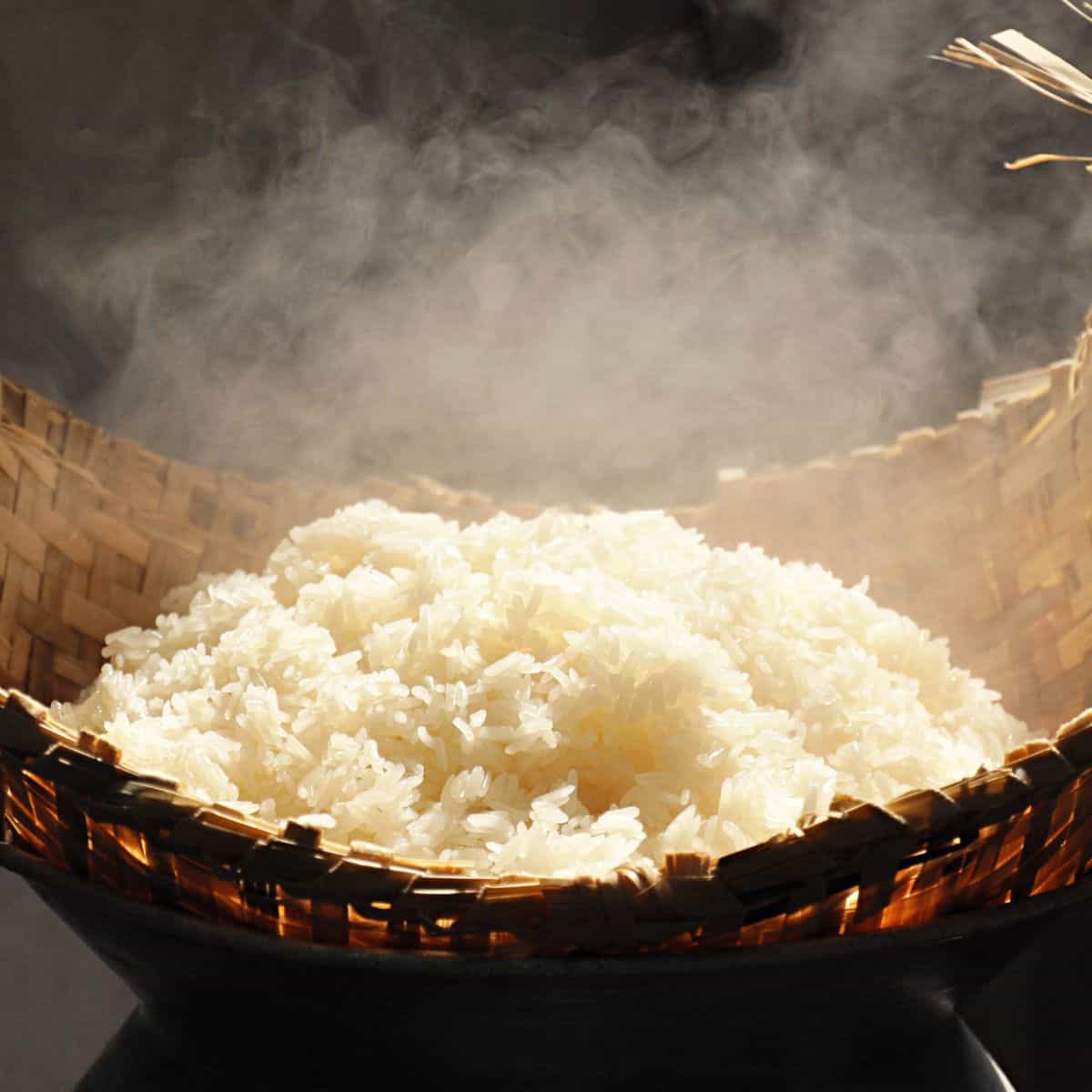
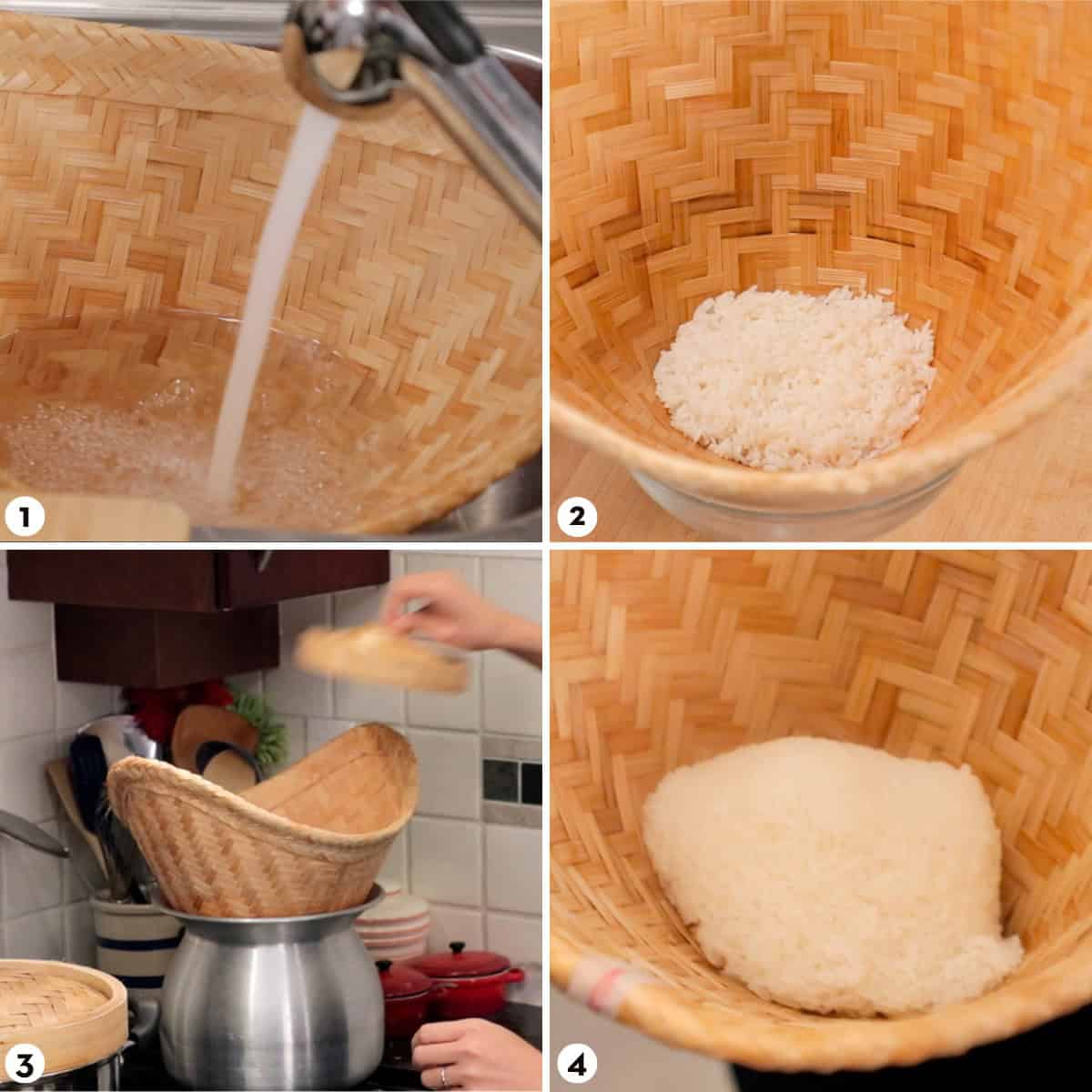
Step-by-step: Traditional soaking and steaming method
This is the classic way and gives the best texture. Soak first, then steam. Follow these steps.
- Measure rice. Use equal parts rice to yield the amount you need. I usually start with 2 cups dry for 4 people.
- Rinse rice briefly until water is mostly clear. Too much rinsing removes needed surface starch.
- Soak rice in cool water for 4 to 6 hours, or overnight for best results. Shorter soaking makes firmer grains.
- Drain rice well. Line your steamer basket with cheesecloth or a thin towel. Spread rice evenly.
- Steam over simmering water for 20 to 30 minutes. Check doneness by tasting a few grains. Steam longer if needed.
- Turn rice gently once halfway through steaming to cook evenly. Let rest off heat for 5 minutes before serving.
From my experience, soaking time changes the chew. Too short and grains stay undercooked. Too long and grains can become gummy. Aim for patience and you’ll get consistent results.
:max_bytes(150000):strip_icc()/__opt__aboutcom__coeus__resources__content_migration__serious_eats__seriouseats.com__2019__04__20190416-pork-shoulder-vicky-wasik-64-8da9630e1b6e4341b530888c73100d90.jpg)
Alternative methods: rice cooker, Instant Pot, and stovetop
You can adapt how to cook sticky rice to modern appliances. Each method has small tweaks.
Rice cooker method
- Rinse rice and soak for at least 2 hours.
- Use a mesh basket or a rice cooker’s steaming tray above water. Start the cooker and steam until tender. I have used this when serving many people; it frees up stove space.
Instant Pot method
- Rinse and soak for 30 minutes if short on time.
- Use the pot-in-pot method with a trivet and bowl. Pressure cook on high for 12 minutes and natural release for 10 minutes. This method is fast and reliable.
Stovetop pot method
- Soak and then cook in a heavy pot with a tight lid using a steaming rack.
- Keep heat low and check water level. This works well if you don’t have a steamer.
Each method can produce great rice. Pick the one that fits your kitchen and time. I use the Instant Pot when I’m in a hurry and bamboo steaming for authentic texture.
Troubleshooting and pro tips
Common problems are easy to fix. I learned these after a few failed batches.
- Rice is hard inside: Increase soak time or steam longer. Check water under the steamer often.
- Rice is mushy: Don’t soak too long and avoid over-steaming. Use less water on the steam tray.
- Rice sticks to the paddle: Use a wet wooden paddle or lightly oil the paddle surface.
- Uneven cooking: Spread rice in a thin, even layer and rotate the steamer basket once.
Other tips from my tests:
- Soak in the fridge if soaking overnight for food safety.
- Keep cooked sticky rice warm in a covered container to prevent drying.
- For sweeter sticky rice, mix a touch of coconut milk and sugar after steaming for desserts.
These tips save time and frustration. They helped me get perfect texture after many tries.
How to serve, flavor, and store sticky rice
Serving ideas are simple and rewarding. Sticky rice adapts well to both sweet and savory plates.
Serving suggestions
- For sweet dishes, drizzle warm coconut milk and add mango or sesame seeds.
- For savory meals, serve with grilled meats, spicy dips, or as a base for stir-fried toppings.
- Form small balls with wet hands for portion control and easier eating.
Storage and reheating
- Store cooled rice in an airtight container in the fridge for up to 3 days.
- Reheat by steaming or microwaving with a damp towel over the rice to restore moisture.
- For longer storage, freeze in portioned bags. Thaw in the fridge before steaming or microwaving.
A friend once packed sticky rice in a lunch box with a hot pack. It stayed soft and tasty all day. Tiny habits make big differences in texture and flavor.

Frequently Asked Questions of how to cook sticky rice
What is the difference between sticky rice and regular rice?
Sticky rice is glutinous and high in amylopectin starch. Regular rice has more amylose and stays separate when cooked.
Do I need to soak sticky rice before cooking?
Yes. Soaking hydrates the grain and shortens steam time. It gives the chewy, uniform texture sticky rice is known for.
Can I cook sticky rice without a steamer?
Yes. You can use a rice cooker, Instant Pot, or a pot with a steaming rack. Each method needs proper soak time and even heat.
How long should I soak glutinous rice?
Soak for 4 to 6 hours for best results. Overnight soaking is fine and helps produce a tender, even texture.
How do I reheat sticky rice without drying it out?
Steam the rice or microwave covered with a damp towel for 30 to 60 seconds. This restores moisture and the soft texture.
Can I use regular rice in sticky rice recipes?
No. Regular rice will not get the same sticky, chewy texture. Use glutinous rice for authentic results.
Is glutinous rice gluten-free?
Yes. Glutinous rice is naturally gluten-free despite its name. It is safe for people who avoid gluten unless processed with gluten-containing ingredients.
Conclusion
You now know how to cook sticky rice using soaking and steaming or modern appliances. Use glutinous rice, soak it, choose a steady steaming method, and watch texture closely. Try the method that fits your time and tools, and tweak soak and steam time to match your preference.
Take action: pick a method and make a small batch today. Share your results or ask questions below. If you liked this guide, subscribe or bookmark it for easy reference next time you make sticky rice.