Rinse, soak, steam, then season short-grain rice to make perfect sushi rice every time.
I’ve cooked sushi rice for home sushi nights and small catering events, so I know what works and what trips people up. This guide on how to cook sushi rice walks you through every step, from rice choice to final seasoning, with clear tips, common mistakes, and real-world tricks to help you get consistent, sticky, flavorful rice that holds sushi together and tastes bright.

What is sushi rice?
Sushi rice is short-grain Japanese rice seasoned with a tangy mixture of rice vinegar, sugar, and salt. It is called shari or sumeshi in Japanese and must be sticky, glossy, and mildly acidic to balance raw fish and other fillings. Knowing how to cook sushi rice means paying attention to rice type, water ratios, washing, soaking, and gentle steaming or cooking. I’ll explain each step so you can get it right at home.
:max_bytes(150000):strip_icc()/Simiply-Recipes-Sushi-Rice-LEAD-06-b4692fb9a91b44a1a7e49502dac0c33e.jpg)
Ingredients and equipment you need
Use the right rice and tools to make consistent sushi rice. Below are the essentials and good-to-have items.
-
Ingredients
- Short-grain Japanese rice, 2 cups (or Calrose rice as a substitute)
- Rice vinegar, 3–4 tablespoons per 2 cups uncooked rice
- Granulated sugar, 1–2 tablespoons
- Fine salt, 1 teaspoon
- Optional: kombu (dried kelp) for extra umami
-
Equipment
- Rice cooker or heavy pot with lid
- Fine mesh sieve or bowl for rinsing
- Wooden or heatproof bowl (hangiri if available)
- Rice paddle (shamoji) or wooden spoon
- Fan or folded paper for cooling
Using a rice cooker makes how to cook sushi rice easier, but a pot works well if you control heat and timing.

Step-by-step: how to cook sushi rice
Follow these steps to cook rice that is tender, sticky, and ready for seasoning.
-
Measure rice and water
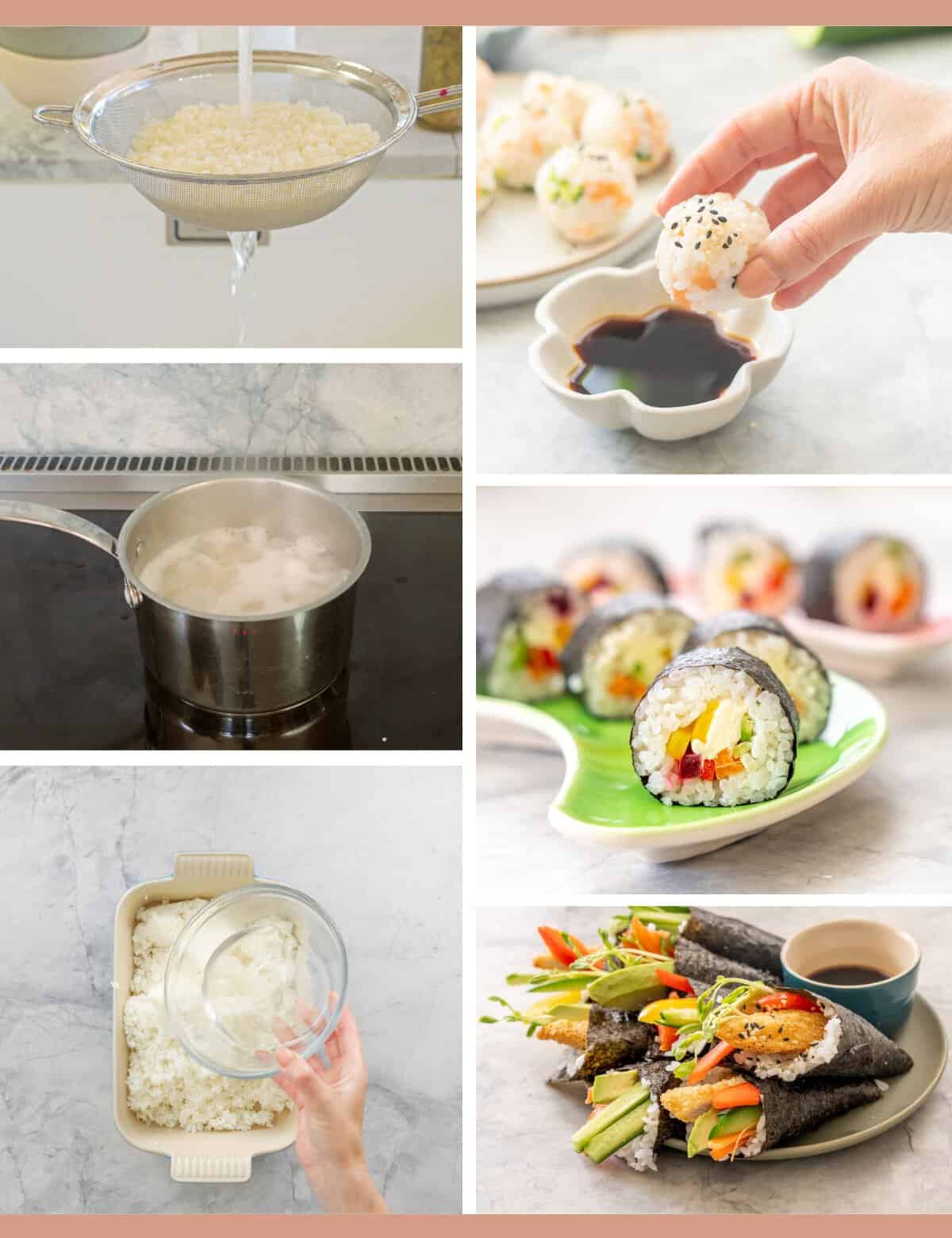
- Rinse 2 cups short-grain rice under cold water until the water runs clear.
- Drain and add rice to your cooker or pot. Use a 1:1.1 to 1:1.2 rice-to-water ratio by volume for short-grain rice. Less water yields firmer rice; more water yields softer rice.
-
Rinse and soak
- Rinse rice by gently rubbing grains with your fingertips in a bowl of cold water. Drain and repeat 3–5 times.
- Soak rinsed rice for 20–30 minutes at room temperature. Soaking allows moisture to penetrate grains and helps even cooking.
-
Cook the rice
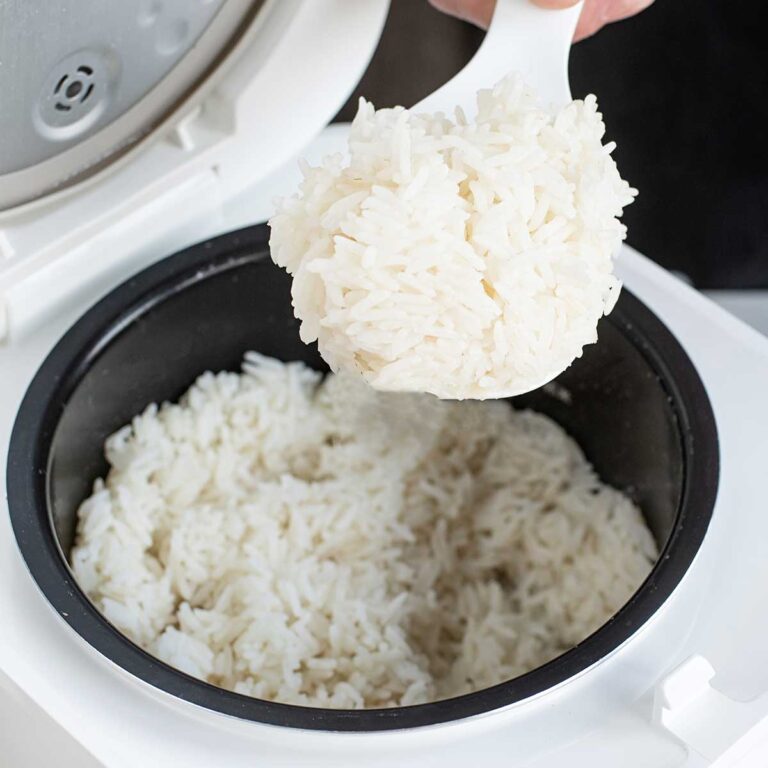
- In a rice cooker: use the cooker’s white rice setting and cook.
- On the stovetop: bring to a boil on medium-high, reduce heat to low and simmer, covered, for 12–14 minutes. Let rest, covered, for 10 minutes off heat.
-
Prepare sushi vinegar while rice cooks
- Warm rice vinegar slightly and dissolve the sugar and salt. Typical ratio: for 2 cups raw rice use 3–4 tbsp rice vinegar, 1–2 tbsp sugar, 1 tsp salt. Adjust to taste.
-
Season and cool
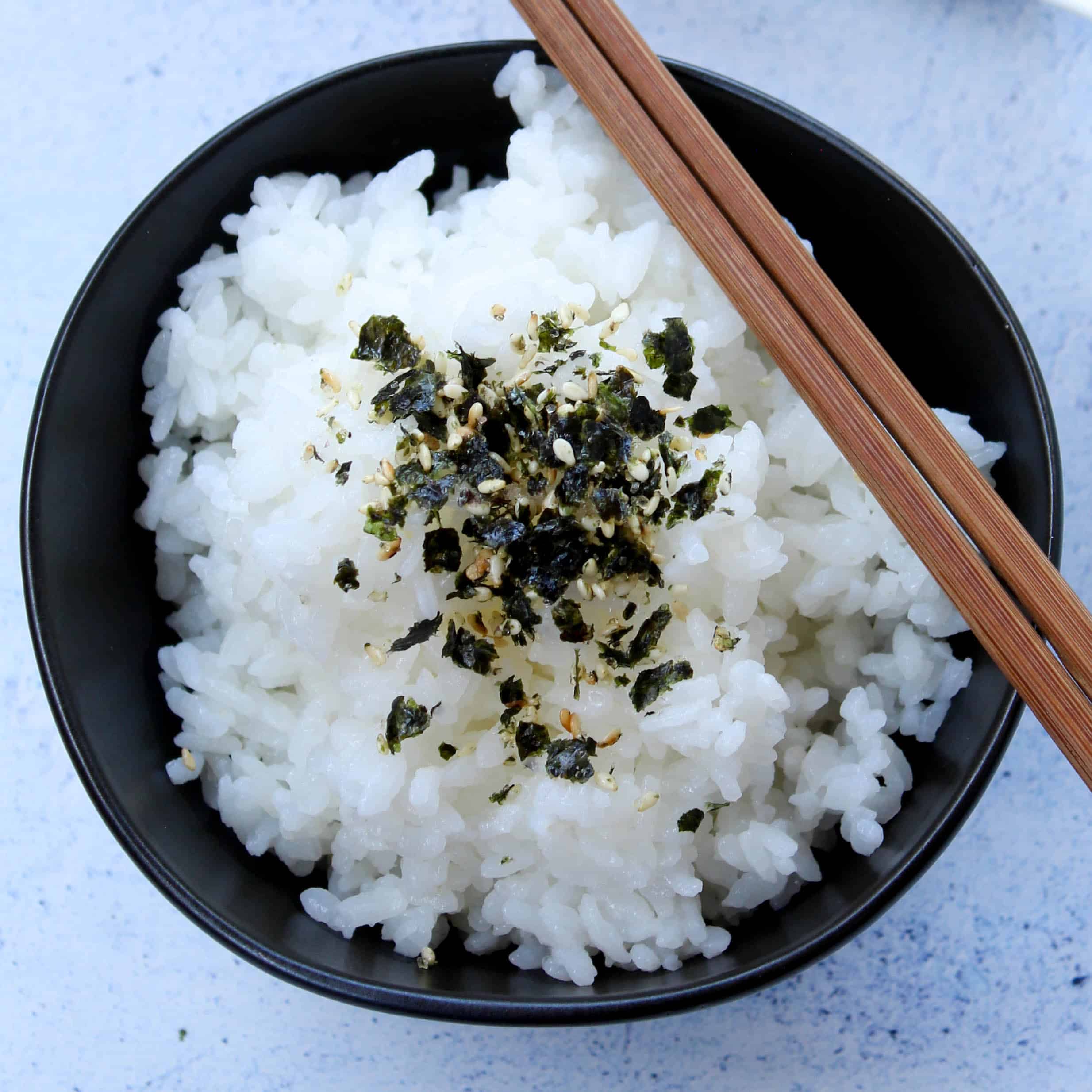
- Transfer hot rice to a wooden or heatproof bowl. Drizzle sushi vinegar evenly over rice.
- Gently fold rice with a rice paddle in a cutting motion. Do not mash grains.
- Fan rice while folding to cool quickly. Cooling gives shine and helps the rice absorb seasoning.
- Cover with a damp cloth until ready to use to prevent drying.
These steps show how to cook sushi rice that is firm on the outside, tender inside, and well flavored.
Seasoning the rice: balance and technique
Seasoning is what turns plain rice into sushi rice. The vinegar mix must be balanced and well integrated.
-
Basic ratio per 2 cups uncooked rice
- Rice vinegar, 3–4 tablespoons
- Sugar, 1–2 tablespoons
- Salt, 1 teaspoon
-
Technique tips
- Warm the vinegar gently. Warm vinegar dissolves sugar faster and blends evenly.
- Add seasoning while rice is very hot. Heat helps rice absorb the flavors.
- Use folding, not stirring. This keeps grains intact and glossy.
I once added too much sugar for a crowd. The rice tasted syrupy and overwhelmed the fish. Now I taste the vinegar mix before adding and adjust in small steps.
Tips, common mistakes, and troubleshooting
These are practical tips from my experience and frequent issues people face learning how to cook sushi rice.
-
Common mistakes
- Using long-grain rice. It won’t be sticky enough for sushi.
- Skipping the rinse. Extra starch leads to gummy rice.
- Overmixing when seasoning. That crushes grains and makes rice gluey.
-
Troubleshooting
- Rice too dry: add a tablespoon of water, cover, and let steam for 5–10 minutes.
- Rice too wet: spread on a tray, fan while gently turning to evaporate moisture.
- Bland rice: warm a touch more vinegar mixture and fold in small amounts to taste.
-
Pro tips
- Use a wooden hangiri or large wooden bowl for the best texture and shine.
- Keep rice covered with a damp towel until use. This prevents a hard surface.
- When making nigiri, wet your hands with vinegar water to keep rice from sticking.

Variations and serving ideas
Once you master how to cook sushi rice, you can adapt it for many dishes.
-
Variations
- Brown sushi rice: increase water and cook longer. Expect a chewier texture.
- Low-sugar seasoning: reduce sugar and add a pinch of mirin for balance.
- Kombu infusion: soak rice or cook with a strip of kombu for extra umami.
-
Serving ideas
- Classic maki rolls: cucumber, avocado, raw fish, or tempura fillings.
- Nigiri: hand-pressed rice topped with fish or cooked toppings.
- Chirashi: seasoned rice served in a bowl with sliced sashimi and veg.
My favorite at-home treat is a small chirashi bowl with leftover seasoned rice, quick pickled carrots, and cold-smoked salmon. It elevates simple rice into a meal.
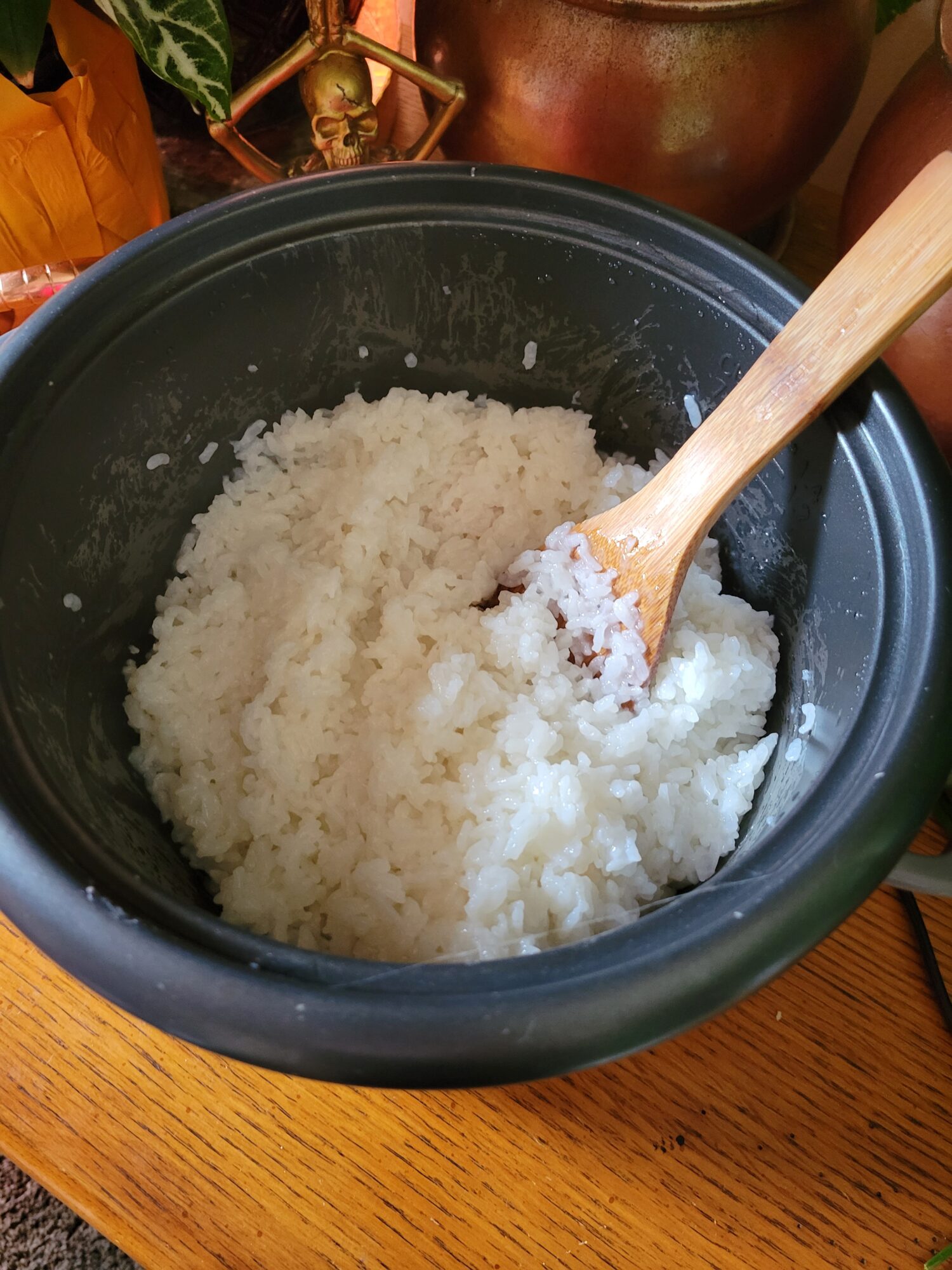
Frequently Asked Questions of how to cook sushi rice
What type of rice should I use to cook sushi rice?
Use short-grain Japanese rice or Calrose. These have the right starch content for stickiness and the correct mouthfeel for sushi.
Can I use a rice cooker to make sushi rice?
Yes. A rice cooker gives consistent heat and timing, which makes how to cook sushi rice easier for beginners. Follow the same rinse, soak, and seasoning steps.
How long should I soak rice before cooking?
Soak short-grain rice for 20–30 minutes at room temperature. Soaking ensures even water absorption and better texture.
How much vinegar should I use for 2 cups of rice?
Start with 3–4 tablespoons rice vinegar, 1–2 tablespoons sugar, and 1 teaspoon salt for 2 cups uncooked rice. Taste and adjust slightly for your preference.
How do I keep sushi rice from getting mushy?
Rinse well, use the right water ratio, avoid overcooking, and fold gently when seasoning. Overmixing and excess water are common causes of mushy rice.
Conclusion
You now have a clear, practical method for how to cook sushi rice: pick the right rice, rinse and soak, cook with care, season with balanced sushi vinegar, and cool gently. Try these steps at home, taste as you go, and make small tweaks until it matches your preference. If you found this guide helpful, try a batch tonight, leave a comment with your results, or subscribe for more simple, tested recipes and tips.