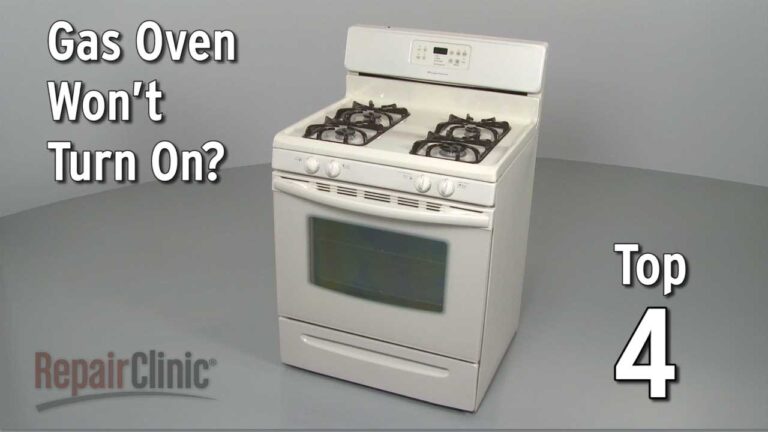
If your oven stops working, first check power, breakers, and safety locks before calling a pro.
I’ve spent years fixing home appliances and writing about them. In this guide I’ll walk you through what to do if the oven stops working. You’ll get clear, safe steps for easy fixes, a checklist for what to try now, and advice on when to call a technician. Read on to save time, money, and avoid risks.
Why ovens stop working
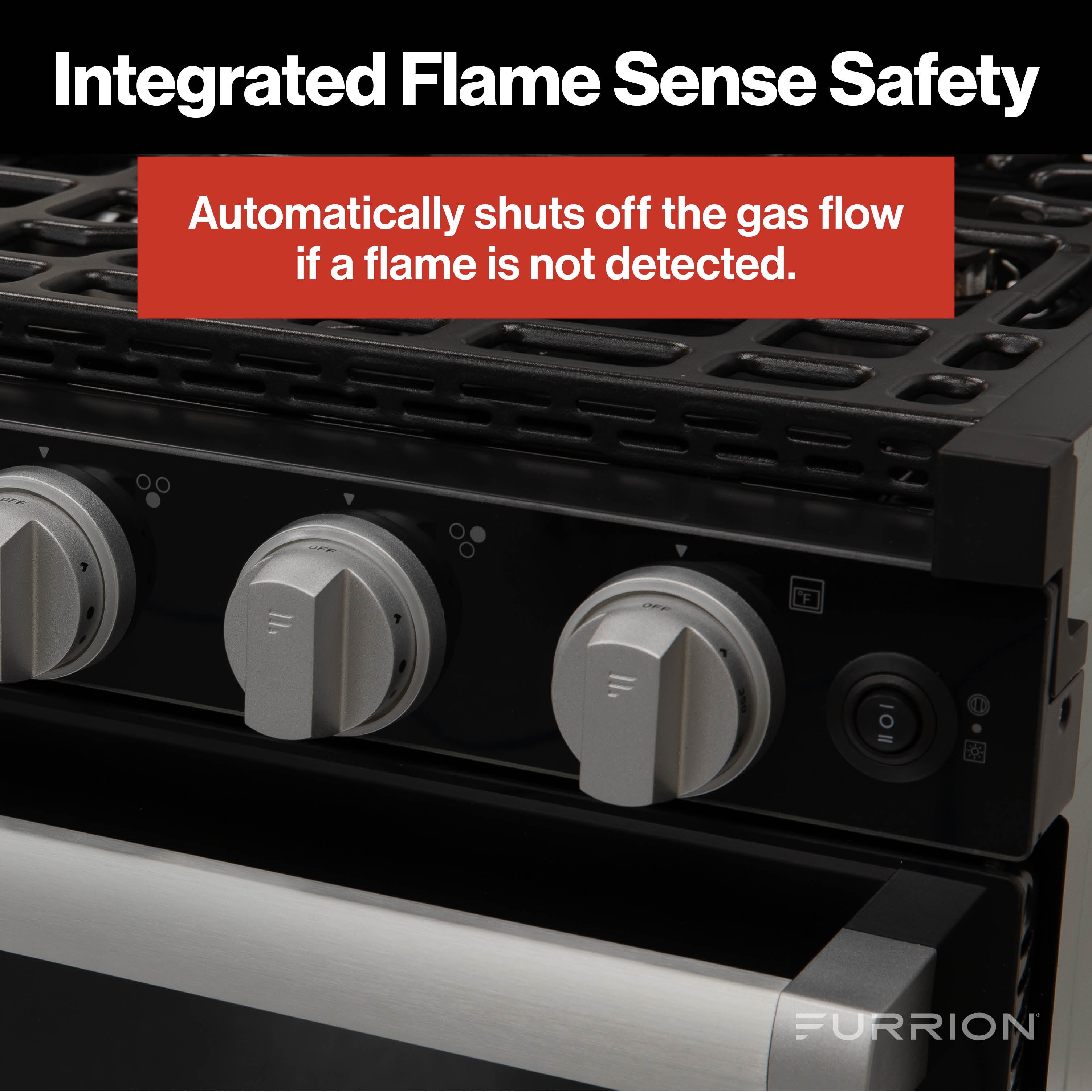
Ovens fail for many simple reasons. Power issues are the most common. A tripped breaker or a loose plug can cut power. Faulty controls and burned-out heating elements are also frequent. Mechanical parts like door switches and temperature sensors wear out over time. Gas ovens add pilot light and igniter issues to the list. Understanding common causes helps you decide what to try first when thinking about what to do if the oven stops working.
First safety checks to do right away
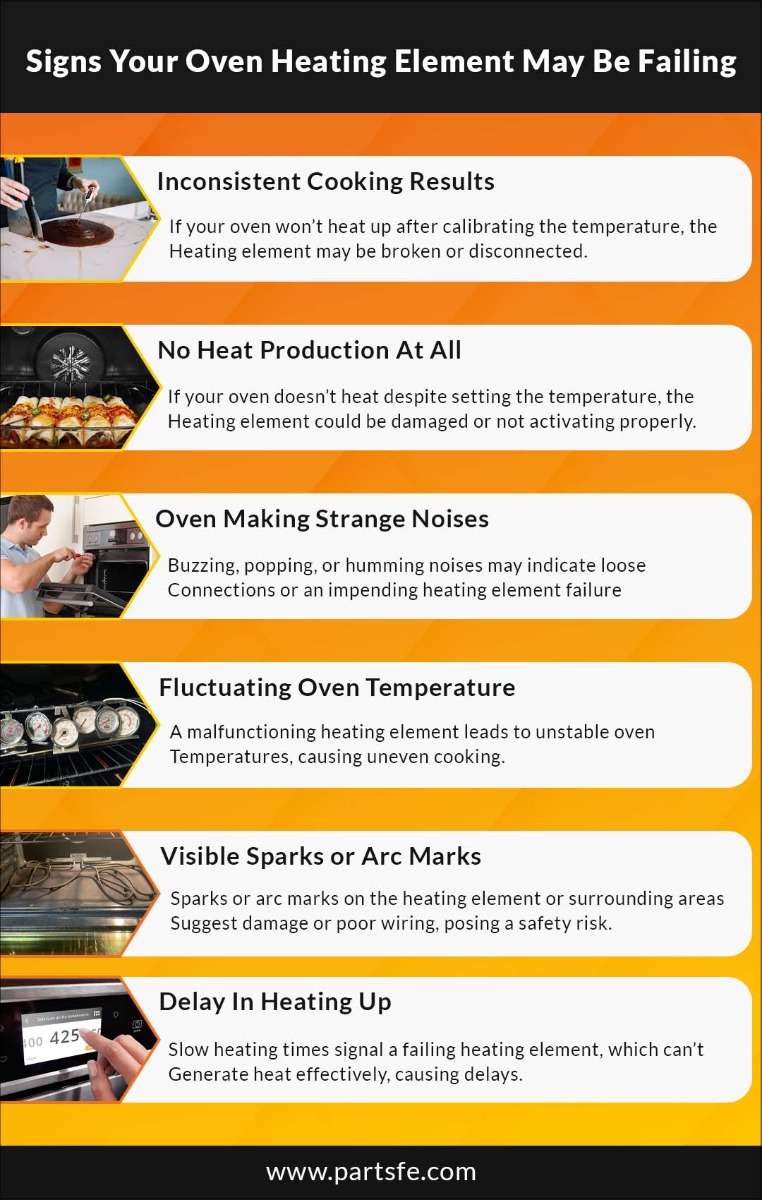
Before touching wires or parts, follow safety steps. Turn off the oven at the control and at the breaker. If you smell gas, leave the house and call the gas company or emergency services. Keep kids and pets away while you inspect the appliance. These steps protect you and help avoid further damage when you figure out what to do if the oven stops working.
Simple troubleshooting steps to try now
Start with easy checks you can do in minutes. Each step helps narrow the cause.
- Check power and outlet
- Make sure the oven is plugged in securely.
- Test the outlet with another appliance. If it won’t power, reset the breaker.
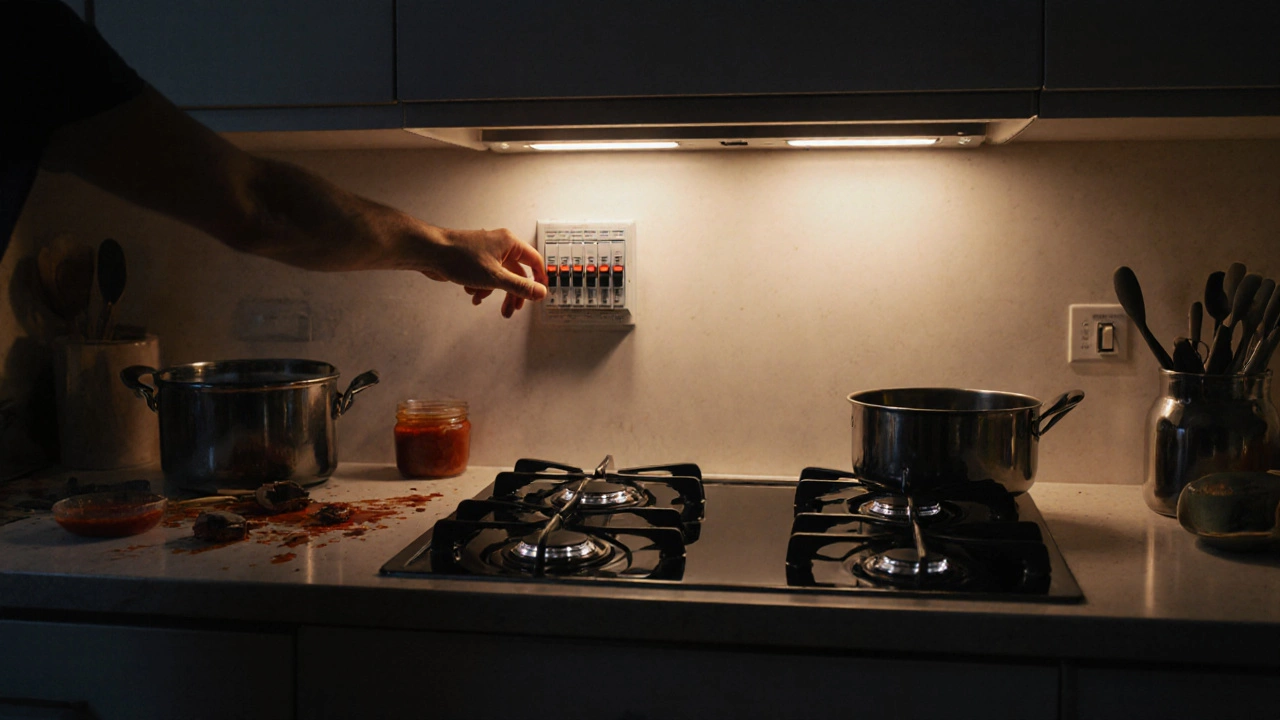
- Inspect the circuit breaker
- Find your home panel and look for tripped breakers.
- Flip any tripped breakers off and on to reset.
- Look for error codes
- Many digital ovens show codes. Write the code down and look it up in your manual.
- Test controls and display
- If the display is blank, the control board or main fuse may be the issue.
- Try a simple bake command and listen for clicking or attempts to heat.
- Check heating elements (electric ovens)
- Inspect the bake and broil elements for breaks or blistering.
- Replace visibly damaged elements.
- Check igniter and pilot (gas ovens)
- If the oven won’t light, the igniter may be weak or the gas valve may be blocked.
- A clicking sound without ignition often signals the igniter.
- Look at door and safety locks
- Self-clean cycles lock the door. If the lock is stuck the oven won’t start.
- Allow the oven to cool and try unlocking again.
- Check thermal fuse and sensors
- Overheating can blow a thermal fuse. A multimeter can test continuity if you’re comfortable.
- Reset the oven
- Unplug or turn off power for one minute, then restore power to reset controls.
These steps are the most common actions when deciding what to do if the oven stops working. If a step is beyond your comfort, stop and call a pro.

Tools and parts you may need
You don’t need much for basic checks. Useful items include:
- Screwdriver set for access panels.
- Multimeter for checking voltage and continuity.
- Socket set for removing elements.
- Replacement elements, fuses, or igniters if you confirm a failure.
- Safety gloves and goggles for protection.
Keep receipts for parts and note your oven model. That makes ordering correct parts easier when fixing what to do if the oven stops working.

When to call a professional
Call a technician if you see any of these signs:
- You smell strong gas or suspect a leak.
- There is visible electrical burning, smoke, or a burning smell.
- Internal parts like the control board need replacement.
- The oven is under warranty.
- You are unsure about working with gas or mains electricity.
A trained technician can safely diagnose and fix complex issues. Expect labor and parts costs; a simple repair may cost under $200, while major control-board or gas-valve repairs can run higher. Knowing when to escalate is an important part of what to do if the oven stops working.

Preventing future oven failures
Routine care cuts down surprises. Try these habits:
- Clean spills and food debris regularly to avoid sensor and fan issues.
- Avoid running self-clean cycles too often; they stress parts.
- Check seals and gaskets for wear to keep heat in.
- Have a pro service gas lines and ignition systems every few years.
- Replace parts at the first sign of failure rather than waiting.
These steps reduce the chances you’ll need to decide what to do if the oven stops working in a rush.
Personal experience: lessons learned from repairs
I once ignored a faint click in a gas oven and waited until it stopped lighting. The weak igniter led to a longer repair and a higher bill. Since then I test igniters early and replace failing parts promptly. Another time I found a tripped breaker that fixed a dead oven in five minutes. Small checks often solve the problem. My key lesson: start with safe, simple steps before spending money. This approach works well for most cases of what to do if the oven stops working.
Related costs and timelines
Expect variability depending on the problem. Typical ranges:
- Tripped breaker or simple fuse: often free, 5–30 minutes.
- Replace heating element or igniter: $50–$200, same-day service possible.
- Control board replacement: $200–$600, parts may take days.
- Major gas repairs: $150–$500, possibly longer if parts are special order.
Use these ranges to decide if a repair is worth it. Warranty coverage can shift the decision when thinking about what to do if the oven stops working.
PAA-style common questions answered briefly
Q: How long should an oven last?
A: A well-maintained oven typically lasts 10–15 years. Heavy use or poor maintenance shortens this span.
Q: Is it safe to use an oven with a faulty element?
A: No. A damaged element can spark and cause fire. Turn off the oven until repaired.
Q: Can I fix an igniter myself?
A: You can replace an igniter if you are comfortable with simple repairs and follow safety steps. If unsure, call a pro.
Frequently Asked Questions
Why did my oven suddenly stop working?
A sudden stop is often due to a tripped breaker, a blown fuse, or a control board fault. Check power and error codes first before deeper troubleshooting.
How do I reset my oven?
Turn off power at the circuit breaker or unplug the oven for 60 seconds, then restore power. This resets many control boards and clears some error codes.
Can a blown heating element be seen?
Yes. A blown element may look broken, blistered, or have dark spots. Replace it if you see visible damage.
Is a gas smell always dangerous?
Yes. Any strong gas smell should be treated as dangerous. Leave the home and call the gas company or emergency services immediately.
How much does an oven repair usually cost?
Simple repairs like element or igniter replacement often cost $50–$200. Major control or gas-valve repairs can cost $200–$600 or more.
Should I try to fix electrical parts myself?
Only if you have experience and the power is off. Electrical work can be dangerous and may void warranties. If uncertain, hire a licensed technician.
What if my oven display is blank?
A blank display often points to a control board or power-supply issue. Start with power checks and breaker resets. If those don’t help, professional diagnosis is recommended.
Conclusion
When your oven stops working, start with simple, safe checks: power, breakers, and door locks. Try quick fixes like resetting power, checking elements, and reading error codes. If you smell gas, see electrical damage, or face complex parts, call a licensed pro. Small steps can save time and money, and routine care reduces future breakdowns. Try the tips above, note what you tried, and share your story or questions in the comments. Subscribe for more home appliance guides and troubleshooting tips.