A hand blender works by spinning a blade at high speed to chop and blend food directly in the bowl or pot.
I have used many hand blenders in home and test kitchens. This guide explains how a hand blender works, what parts make it run, and how to use one safely and well. You will learn the mechanics, common types, maintenance tips, and real-life tricks I learned from years of hands-on use. Read on to master your hand blender and get better results with less effort.
How a hand blender works
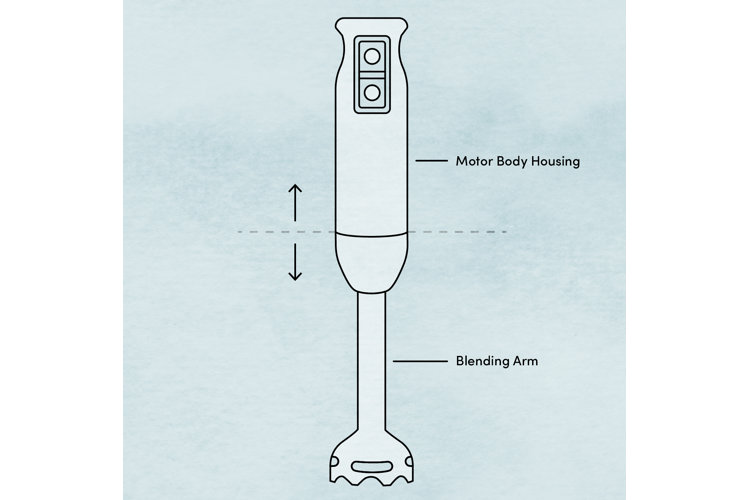
A hand blender mixes food by converting electrical energy into rapid blade motion. Inside the housing, an electric motor turns a rotating shaft. The shaft connects to a small blade at the immersion end. When the blade spins, it creates a flow of liquid toward the blade. This flow pulls solid pieces into the blade path. The rotating blade cuts and shears food into smaller pieces. The result is a smooth puree or an even chop depending on speed and time.
Speed controls change motor RPM. Higher RPM makes a stronger vortex and finer texture. Blade shape and guard size affect flow and suction. Power, measured in watts, tells you how stubborn the hand blender can handle thick mixes. Most home models sit between 150 and 700 watts. Cordless models use battery power and trade raw power for portability.
Simple physics helps explain it. Blending uses shear force and turbulence. Shear force comes from blade edges moving past food. Turbulence mixes ingredients quickly. Together they reduce particle size and distribute flavors evenly.
Common materials include stainless steel shafts and blades to resist corrosion. Cheap models may use plastic shafts that limit heat resistance and durability. Choosing the right hand blender for your task means matching power and attachments to your recipes.

Key components and what each does
-
Motor housing
The motor converts electricity into spinning motion. It sets RPM and torque. -
Drive shaft
The drive shaft transfers rotation from the motor to the blade. It needs to be rigid and well-sealed. -
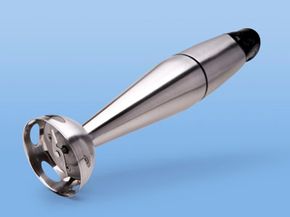
Blending blade
Blades do the cutting and shearing. They may be two or three pronged and are usually stainless steel. -
Blade guard
The guard surrounds the blade. It limits splatter and helps form the vortex. -
Speed control and trigger
These let you change blending intensity. Some models have multiple speeds and pulse mode. -
Attachments
Whisks, choppers, and masher attachments expand functions. They attach to the drive shaft securely. -
Power source
Corded models plug into AC power. Cordless models use rechargeable batteries and have lower peak power.
Understanding these parts helps you troubleshoot and choose a model that fits your needs.

Types of hand blenders and when to use them
-
Basic stick hand blender
Good for soups, smoothies, and quick purees. It is compact and easy to store. -
Hand blender with chopper bowl
Includes a small bowl for chopping nuts, onions, or herbs. Use it for small prep tasks. -
Hand blender with whisk attachment
Great for whipping cream or beating eggs. It saves pulling out a stand mixer for small jobs. -
Immersion blender with variable speed
Offers more control for delicate blends. Use lower speeds for chunky salsas and higher speeds for smooth purées. -
Cordless stick blender
Offers freedom of movement and is handy in small kitchens. Expect shorter run times and lower maximum power.
Choose a hand blender type based on tasks, frequency, and storage space. If you make soups often, a sturdy corded model is best. If you value portability, pick a high-quality cordless model.
How to use a hand blender: step-by-step
-
Prepare ingredients
Cut large pieces into smaller ones. Add enough liquid to help the blade create flow. -
Secure the container
Use a tall, narrow jar or pot to reduce splatter. Keep the blade fully submerged before starting. -
Start slow
Begin on low speed. Increase to high as the mixture breaks down. -
Use short pulses
Pulse to control texture and prevent overblending. Lift slightly to let chunky pieces move in. -
Watch for hot liquids
When blending hot soup, remove pot from heat or use low speed. Keep lid slightly open to avoid steam pressure. -
Finish and check texture
Blend to desired smoothness. Taste and adjust seasoning. -
Clean promptly
Unplug or remove battery. Detach the shaft and rinse or wash immediately to prevent food from drying on parts.
These simple steps will improve results and extend the life of your hand blender.

Benefits and limitations of a hand blender
Benefits
- Saves counter space compared to a full blender.
- Blends directly in the cooking pot for fewer dishes.
- Easy to control texture by hand.
- Often cheaper than countertop blenders or food processors.
Limitations
- Less power for large, heavy tasks like nut butter.
- Smaller capacity for a single device; you may need separate tools for big batches.
- Can produce more splatter if used improperly.
- Cordless models may have limited run time and lower torque.
Knowing these pros and cons helps you select the right tool for the job and set realistic expectations.

Maintenance, safety, and troubleshooting
Maintenance tips
- Clean the shaft and blade after each use. Warm soapy water prevents food buildup.
- Dry components thoroughly to avoid rust.
- Inspect seals and O-rings for wear. Replace if cracked or loose.
- Store attachments in a dry place away from direct heat.
Safety tips
- Unplug or remove the battery before changing attachments.
- Never immerse the motor housing in water.
- Keep fingers away from the blade when cleaning.
- Avoid blending very thick doughs that can overload the motor.
Troubleshooting common problems
-
Motor overheats
Let the unit rest for 15–30 minutes. Reduce load and work in shorter bursts. -
Excessive vibration
Check for bent shafts or loose attachments. Tighten or replace parts. -
Weak chopping power
Clean blade and guard. Blade may be dull or motor failing. -
Leaks at shaft joint
Worn seals or a cracked shaft can cause leaks. Replace the shaft assembly or seals.
Good care keeps your hand blender working well for years.

Personal experience and pro tips
I have tested many hand blenders in busy home kitchens. A few lessons stood out. Always use a tall container for smoothies to prevent splatter. I learned that starting slow preserves texture. I once ruined a soup by blending it at full speed while steaming hot. Now I vent the lid and blend gently.
Pro tips I use often
- Use pulse mode for chunky salsas and coarse textures.
- Tilt the jar slightly to create better circulation for the blades.
- Warm liquids blend easier once you add a little cold ingredient to reduce steam pressure.
- For frothy drinks, blend only a short time to keep some air.
These tips come from hands-on use. They make the hand blender more useful and reliable.
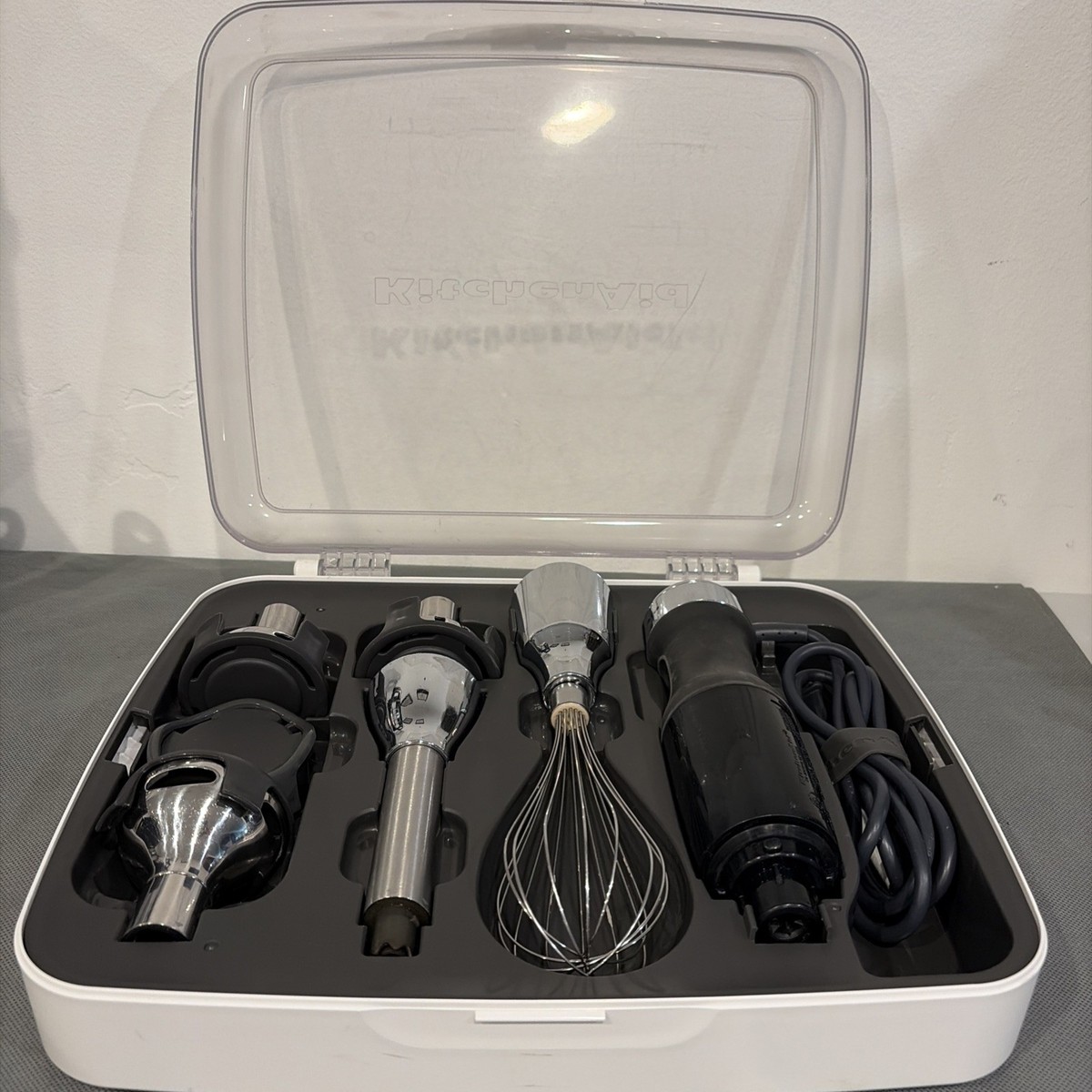
Frequently Asked Questions of How does hand blender work
How powerful should my hand blender be for everyday cooking?
For most home tasks, choose a hand blender between 200 and 500 watts. That range handles soups, smoothies, and small prep tasks reliably.
Can I use a hand blender to make nut butter?
You can, but it is slow and can overheat the motor. A high-power model may manage small batches, but a dedicated food processor is better.
Is it safe to blend hot soup with a hand blender?
Yes, if you follow safety steps. Turn off heat, use low speed, and vent steam to prevent splashing and pressure buildup.
How do I prevent my hand blender from splashing?
Use a tall container and keep the blade fully immersed before starting. Begin at low speed and increase slowly.
Why is my hand blender making a burning smell?
A burning smell often means the motor is overheating or the bearings are failing. Stop using it and allow it to cool. If the smell persists, service or replace the unit.
How often should I replace the blade or shaft?
Replace blades or shafts when they show visible wear, bending, or leaks. With regular use, stainless steel blades rarely need replacement but seals can wear within a few years.
Can a hand blender crush ice?
Some high-power hand blenders can crush small amounts of ice, but frequent ice crushing can dull blades and stress the motor. Use caution and short pulses.
Conclusion
A hand blender is a compact, versatile tool that blends, chops, and whips by spinning a blade to create shear and turbulence. It saves time, reduces dishes, and fits easily into most kitchens. Choose the right model for your tasks, follow simple safety and cleaning steps, and use pulse and speed controls to get the texture you want. Try the tips here the next time you cook, and share what works for you. If you found this helpful, subscribe for more kitchen tips or leave a comment with your favorite hand blender trick.